10 Things You Must Know Before Bringing Home a Goldador Puppy
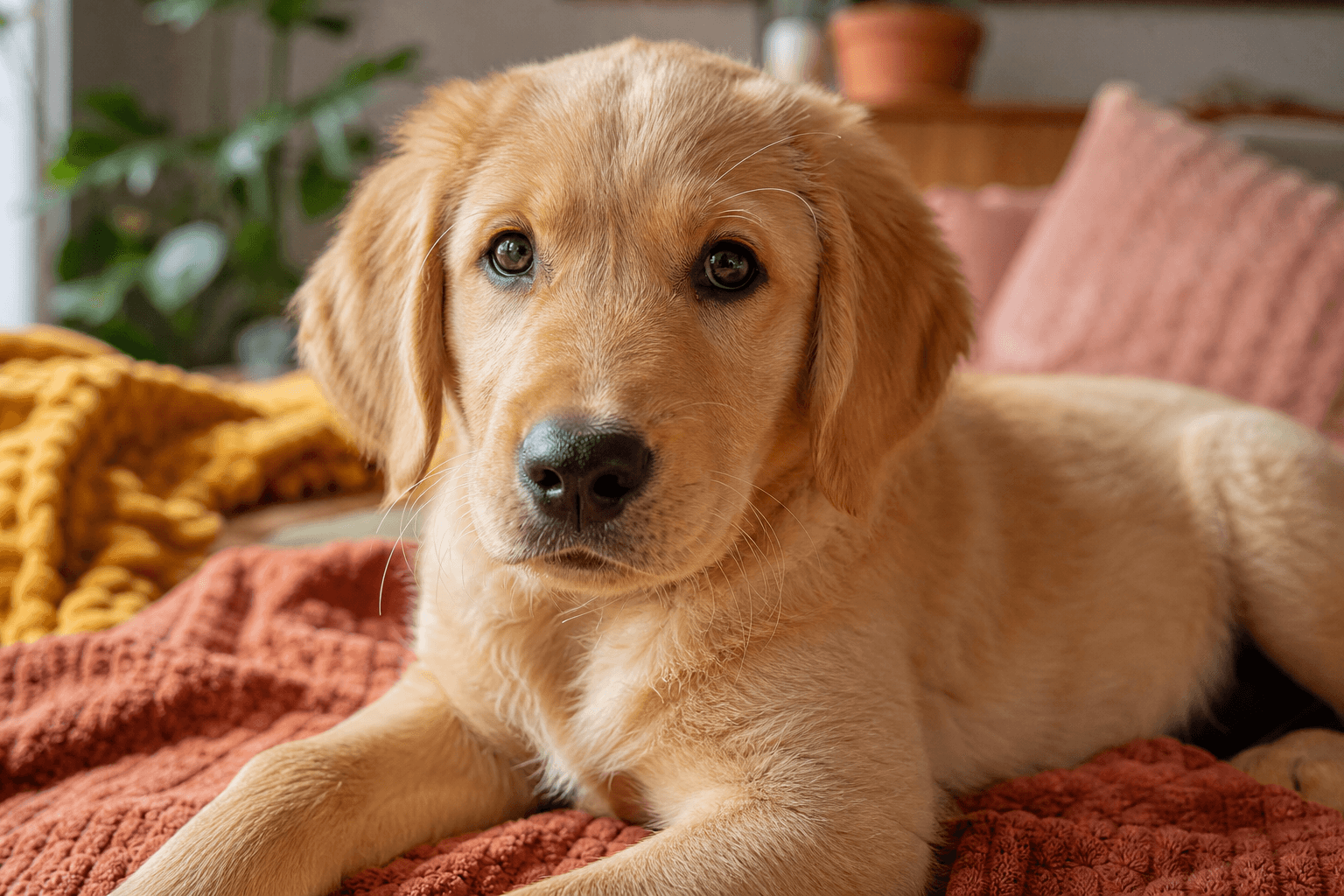
You fell for that sunshine grin and easygoing vibe. We get it — Goldadors are heart-melters.
Before you bring one home, here are the things that actually matter so you can skip the stress and enjoy the snuggles.
Fast, practical, and from experience — let us walk you through it.
1. What A Goldador Really Is
A Goldador is a purposeful cross between a Golden Retriever and a Labrador Retriever — two working gundogs bred for cooperation, retrieving, and people focus.
Expect a social, biddable dog with lab and golden tendencies, not a carbon copy of either parent. Temperament and coat can lean either way even within a litter.
What they do best
Family life, therapy work, hiking, retrieving games, obedience, and chill time after exercise.
Where they struggle
Long boring days, harsh training, undersocialization, apartments without a daily exercise plan.
2. Size And Space Needs
Most Goldadors land in the 60 to 80 pound range as adults, with a sturdy, athletic build.
You do not need a giant yard, but you do need a realistic plan for walks and off-leash play in safe areas. Small spaces work if you provide outlets; big yards fail if you do not.
3. Energy And Daily Exercise
These dogs are born to move and use their brains. Plan on two purposeful sessions daily once grown, with shorter, age-appropriate outings during puppyhood.
Mix in sniffy walks, fetch with rules, and short training games. A tired mind equals a relaxed evening companion.
4. Coat, Shedding, And Grooming
Whether the coat leans golden-feathery or lab-short, you will get seasonal shedding and year-round floof. A weekly brush becomes daily during spring and fall.
Plan for nail trims every 2 to 3 weeks, ear checks after swims, and a bath every 1 to 2 months or when muddy. Start handling paws and ears on day one to make grooming easy.
5. Training And Socialization
Goldadors thrive on clear, kind, reward-based training. They love to please, but adolescent enthusiasm can knock over toddlers and guests if you do not teach impulse control.
Prioritize name recognition, come when called, drop it, settle on a mat, and polite greetings. Enroll in a positive puppy class and schedule daily, calm exposures to real-life sights and sounds.
6. Health Testing And Vet Care
Responsible breeders screen the parents for hips and elbows via OFA or PennHIP, and for eyes and breed-relevant genetic conditions. Ask to see the paperwork; good breeders are proud to share.
Budget for puppy vaccines, deworming, flea and tick prevention, spay or neuter at vet-advised timing, and unexpected visits. Pet insurance early can soften surprises.
7. Feeding A Fast-Growing Puppy
Use a complete and balanced large-breed puppy formula to support steady growth and healthy joints. Overfeeding or too much calcium can stress developing hips and elbows.
Feed measured meals, track body condition with your vet, and expect frequent recipe changes only if stool or skin says you must. Treats should be part of the daily calorie budget.
8. Crate, Sleep, And Alone Time
Crate training keeps curious mouths safe and speeds up house training. Most Goldador puppies sleep better with a covered crate, a chew, and a predictable bedtime.
Practice short, boring departures from day one so alone time is normal. Independence is taught; if you are always together at first and vanish later, anxiety can bloom.
9. Kids, Cats, And House Manners
They are famously friendly, but friendliness without structure equals chaos. Supervise around small children, teach four feet on the floor, and reward calm near food and toys.
With slow introductions, many Goldadors live beautifully with cats and other dogs. Reinforce soft mouths and gentle play early.
10. Budget And Time Commitment
The first year is the spendy one: quality food, crate and bed upgrades, training classes, vet visits, and replacements for chewed items you forgot to puppy-proof.
The bigger cost is time. For the first 12 to 18 months, you are investing in training, socialization, and daily exercise so your teenager grows into the easy adult you pictured.