10 Things You Must Know Before Bringing Home a Cesky Terrier Puppy
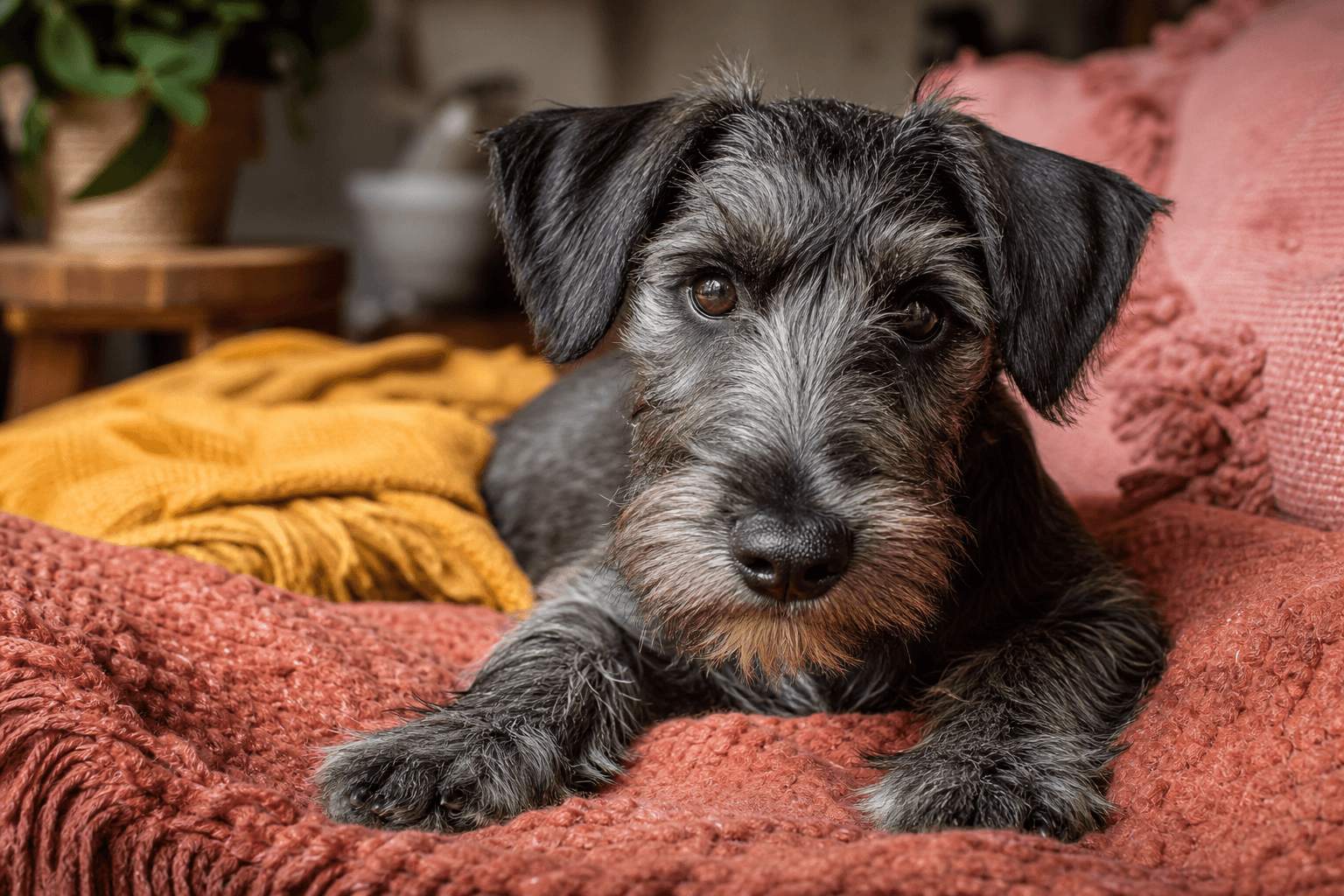
You fell for that silky beard and thoughtful gaze, and we get it.
Cesky Terriers are quieter than many terriers but still full of spark.
Here are the 10 things we wish we knew before bringing one home — so you can skip the guesswork and enjoy the good stuff faster.
1. A Calmer, Quieter Terrier Temperament
Compared with many terriers, Ceskys tend to be more even-tempered, a bit reserved with strangers, and happy to lounge after a good walk.
They still have prey drive and curiosity, but that fizz often shows up as focused sniffing rather than frantic sprinting.
Expect a loyal shadow who wants to be where you are and notices routine changes.
2. Small But Solid: Size and Space
Most adults land around 13–23 pounds with a low, long body and sturdy bone.
They fit well in apartments if you commit to daily outings and brain work.
Stairs are usually fine, but keep jumping off furniture to a minimum while joints are developing.
3. Exercise Needs: Steady, Not Extreme
Plan on 45–60 minutes total daily, split between walks and sniffy exploration.
Short training games and indoor scent work take the edge off when weather is rough.
4. Grooming Is Clip-Heavy, Not Hand-Stripped
The Cesky coat is soft, wavy, and typically maintained by clippering rather than hand-stripping.
Expect a trim every 6–8 weeks to keep the classic long furnishings and clean lines, plus brushing 2–3 times a week to prevent mats under the armpits, behind ears, and in the beard.
They shed lightly; allergies vary by person, so meet adults before assuming a perfect match.
5. Trainability: Sensitive Over Stubborn
Ceskys are smart and people-focused but can shut down with harsh correction.
Use upbeat, reward-based training with clear criteria and short sessions.
They excel at rally, scent games, and trick training where thinking is rewarded.
6. Early Socialization Matters
They can be reserved with new people and selective with dogs, so start early, gentle exposure.
Think calm coffee-shop sits, quiet park benches, and friendly, well-matched dog buddies rather than chaotic dog parks.
7. Health Basics to Ask Your Breeder
Reputable breeders screen for common small-dog issues like patellar luxation, eye conditions (annual eye exams), and cardiac health.
Ask to see health clearances for the parents, discuss vaccination and deworming records, and clarify their return contract and support.
8. Feeding a Growing Cesky
Choose a reputable puppy-formulated diet that keeps growth steady, not rapid.
Split meals into 3 feedings at first, then 2 by six months.
Watch body condition more than the bag; you want a defined waist without protruding ribs.
9. Home Setup: Digging, Toys, and Safe Spaces
Terriers dig — offer a designated dig box or stuffed snuffle mat so your garden survives.
Rotate chewables and puzzle feeders to prevent boredom.
A crate or gated area gives your puppy a predictable chill zone, which helps with house training and self-soothing.
10. Lifestyle Fit: Travel, Kids, and Other Pets
Ceskys usually travel well once crate-trained and settled into routine.
With respectful kids they shine, but supervise and teach gentle handling of that silky beard and ears.
Prey drive means small furries are risky; many live peacefully with cats raised alongside them, but introductions should be slow and managed.
| Category | Rating |
|---|---|
| Trainability | |
| Energy Level | |
| Grooming Needs | |
| Barking | |
| Apartment Friendly | |
| Kid Friendly |
Ready in one glance? Here are the takeaways we tell friends.