Top 10 Considerations Before Adopting a Kintamani-Bali Dog
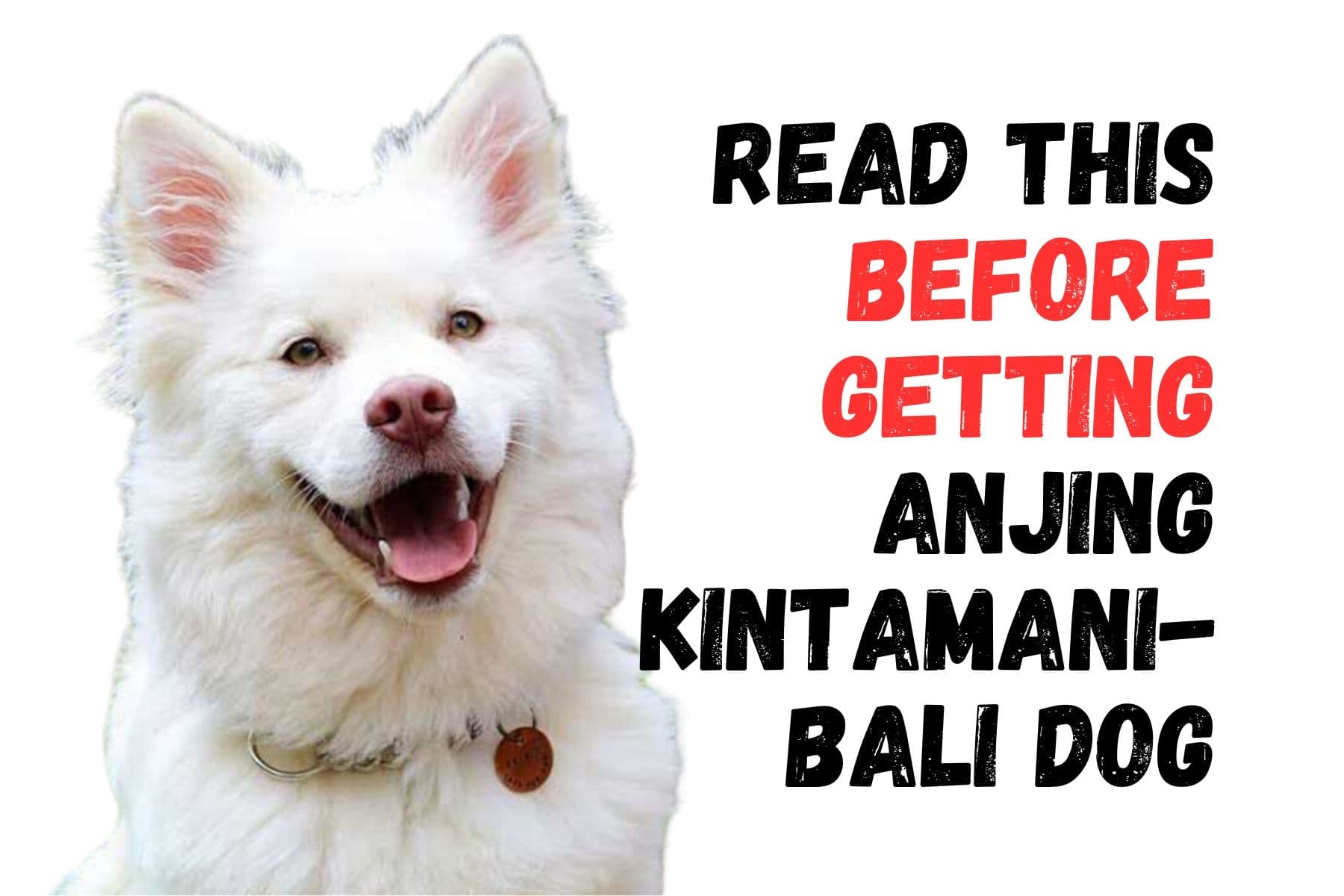
Thinking about bringing home an Anjing Kintamani-Bali? You're eyeing a dog that's rare, striking, and unlike almost anything you'll meet at the local park.
Here's the honest truth: these mountain dogs from Bali are gorgeous, loyal, and clever — but they're not a "set it and forget it" breed.
Below, you'll get the real picture: what they're like to live with, how to train and groom them, what they cost you in time, and whether they'll fit your family. Let's dig in.
What They're Really Like
The Kintamani is a medium-sized dog with a striking white or cream double coat, pointy ears, and a signature curled tail.
Overall, they carry a calm, dignified energy. But don't mistake calm for lazy.
They need at least 30 minutes of daily exercise — plus mental stimulation to stay happy.
Here's the kicker: a bored Kintamani gets into trouble. Puzzle toys and short training games go a long way toward keeping their sharp mind occupied.
Smart — sometimes a little too smart
These dogs are clever, and that intelligence cuts both ways. Training takes patience and consistency.
Harsh corrections won't work. In fact, they backfire and can make behavior worse.
“They're not hard to train — but they're impossible to bully. Reward what you want, and they'll happily give you more of it.”
But personality is only half the story — how they meet the world matters just as much.
Why Early Socialization Matters
Kintamanis can be reserved, especially around strangers or unfamiliar animals. That's not a flaw — it's just their nature.
So what does this mean for you? Early socialization isn't optional. It's the difference between a confident adult dog and an anxious one.
- Introduce new people early and keep it positive
- Expose them to new places, sounds, and surfaces as a puppy
- Let them meet friendly, vaccinated dogs in controlled settings
- Flood them with strangers all at once and hope for the best
- Assume they'll "grow out of" shyness on their own
Do this well, and you shape a well-rounded dog that's less prone to fear-based reactions.
Loyal — Sometimes to a Fault
Kintamanis are deeply loyal and affectionate with their families. They bond hard and make excellent watchdogs.
But there's a catch: that protective streak means they're naturally wary of strangers.
It also means they don't love being left alone for long stretches. Separation anxiety is a real risk — and it can spill over into destructive behavior if it isn't managed.
Quick poll
How much time is your new dog realistically alone each day?
Now let's talk upkeep — that coat and those upright ears need a little attention.
Grooming & Health Basics
That gorgeous double coat? It needs regular brushing — at least once a week — to prevent matting and keep the skin healthy.
It's not a high-maintenance routine, but skipping it causes real discomfort for your dog.
Health to keep an eye on
Kintamanis are generally hardy, but a few issues are worth watching for.
| Category | Rating |
|---|---|
| Overall hardiness | |
| Joint health | |
| Ear health | |
| Dental health |
Regular vet visits and preventive care go a long way. Their typical lifespan runs 12 to 14 years.
Feeding & Nutrition
A balanced diet keeps your Kintamani in top shape. Look for high-quality food that supports joints, skin, and digestion.
Here's something first-time owners miss: some dogs have sensitivities or allergies.
Watch for signs like persistent itching or digestive upset. If they show up, talk to your vet about an elimination diet before switching foods randomly.
Finally — the big question for most families: how do they do at home?
Family & Other Pets
Kintamanis usually do great with kids. They're gentle and protective by nature.
The one wrinkle: they can be a bit clumsy around small children during play. Supervise interactions and teach kids how to be respectful.
Older kids
Great fitGentle, protective, and loyal companions
Toddlers
SuperviseCan be clumsy during energetic play
Other dogs
Depends on introsFine when socialized early; territorial if not
Time alone
CautionProne to separation anxiety
With other pets, early and proper introductions are everything. Raise them together — or socialize them well — and they can get along just fine.
Skip that step, and you may see dominant or territorial behavior instead.
Pros
Why you'll love a Kintamani
- Loyal and deeply bonded to their family
- Intelligent and eager to learn
- Striking, head-turning looks
- Naturally protective watchdogs
- Generally hardy with a good lifespan
Cons
What to be honest about
- Needs daily exercise and mental work
- Can be wary of strangers
- Prone to separation anxiety
- Requires early, consistent socialization
- Weekly grooming is a must
Frequently Asked Questions
They can be, if you're committed to consistent training and early socialization. They're smart and loyal, but their independent streak and protective nature reward an owner who's patient and engaged rather than hands-off.
Not long stretches, ideally. This breed bonds tightly and is prone to separation anxiety. Build up alone-time gradually and leave enrichment toys behind — for full workdays, a walker or daycare helps a lot.
They have a natural watchdog instinct, so they'll alert you to strangers and unusual sounds. Good socialization and training keep the barking purposeful rather than constant.
Generally yes — they're gentle and protective. Just supervise play with small kids, since they can be a little clumsy, and teach children to interact respectfully.
It comes down to early exposure. Raised together or socialized well, they can coexist happily. Without that, they may show territorial or dominant behavior toward other animals.
Plan on brushing that double coat at least once a week to prevent matting and keep the skin healthy. It's a manageable routine — but not one you can skip.
For most owners, it's balancing their loyalty with their need for company and mental stimulation. They're not a low-effort breed — they thrive on time, training, and connection.