10 things to know before owning a Berger Picard
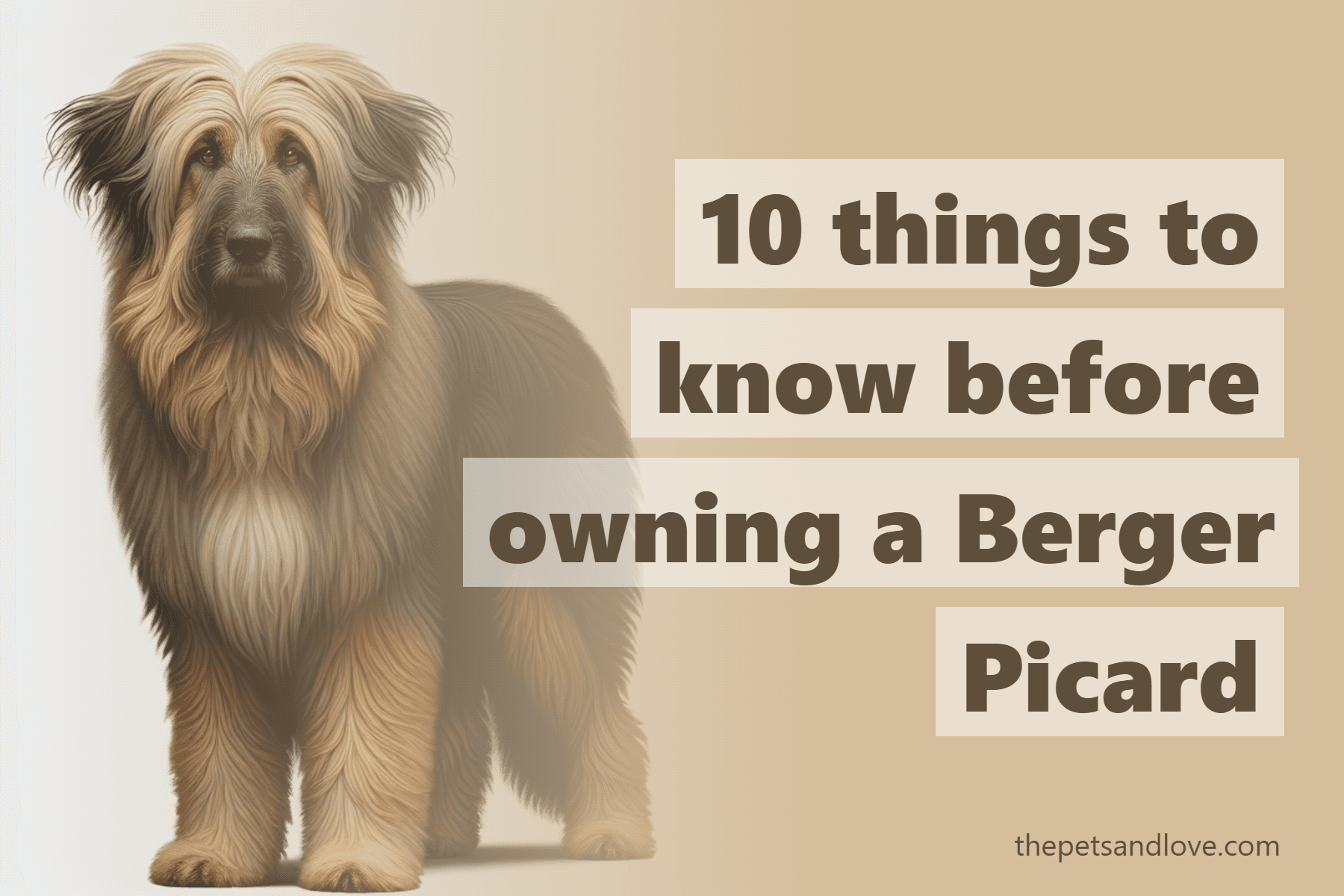
Thinking about adding a Berger Picard to your family? Or maybe one of these scruffy charmers is already curled up at your feet, and you want to finally understand what makes them tick?
Either way, you're in the right place.
Here's the honest truth: the Berger Picard is one of the most rewarding — and most misunderstood — dogs you can own. Get it right, and you'll have a loyal, whip-smart adventure buddy for life. Get it wrong, and you'll have a bored, destructive whirlwind on four legs.
Below, we'll walk through the 10 things that actually matter before you commit. Let's dig in.
1. What's a Berger Picard Actually Like?
The Berger Picard (also called the Picardy Shepherd) is a medium-to-large herding breed from France.
With their tousled coats and expressive, almost human eyes, they're impossible not to notice on a walk.
But don't let the laidback, "just rolled out of bed" look fool you. These dogs are athletic, sharp, and full of energy under the shag.
“A tired Picard is a happy — and much better-behaved — Picard.”
First, let's talk about keeping them healthy.
2. Health: Generally Hardy, With a Few Watch-Outs
Here's the good news: most Berger Picards are healthy dogs that live a solid **12–14 years**.
But like any breed, they're not immune to a few issues. These are the ones worth keeping on your radar.
Hip Dysplasia
A joint issue common in many active, larger breeds. Reputable breeders screen for it.
Progressive Retinal Atrophy (PRA)
A gradual eye condition. Good breeders test for it before breeding.
Bloat (Gastric Torsion)
A serious, fast-moving emergency. Avoid heavy exercise right after big meals.
Cancer
As with most breeds, risk rises with age. Regular vet checks help catch things early.
Now, about that famous shaggy coat.
3. Grooming: Low Fuss, But Not No Fuss
That signature scruffy coat doesn't need fancy trims or a professional blowout every month. Good news for your wallet.
But "low maintenance" doesn't mean "no maintenance."
Brush **once a week** most of the year. During shedding season in spring and fall, step it up — the coat can mat quickly, especially behind the ears and under the legs.
Your simple grooming routine
- Brush weekly (more during spring & fall shedding)
- Trim nails every one to two weeks
- Brush teeth daily with dog-safe toothpaste
- Bathe only when needed — they resist dirt well
- Rinse thoroughly after swimming in saltwater or chlorine
- Skip the human shampoo — it irritates their skin
Here's the part that trips up new owners the most.
4. Exercise: Daily Movement Isn't Optional
Picards are working dogs at heart. They were bred to herd sheep across open fields all day long.
So no — they're not couch potatoes, no matter how relaxed they look sprawled on your rug.
1+ hr
of solid daily exercise your Picard needs to stay balanced
And here's the kicker: physical exercise is only half the job. Their busy brains need work too.
Ways to actually tire them out
Long Walks & Hikes
The daily baseline. Vary the route to keep their nose and mind busy.
Fetch & Frisbee
Great for burning energy fast in a yard or open space.
Agility & Obedience
Combines physical work with mental focus — a perfect match for the breed.
Herding Practice
If you can find it, it taps directly into their original purpose.
Puzzle Toys
Slow feeders and treat puzzles work the brain on rainy days.
Training Games
Short daily sessions double as exercise and bonding.
Which brings us straight to training.
5. Training & Socialization: Start Young, Stay Consistent
Berger Picards are smart, independent, and — let's be honest — a little stubborn.
That combination means they'll happily test your boundaries if you let them.
Here's what works: they respond beautifully to **positive reinforcement**. Treats, praise, and fun games get you far. Harsh corrections, on the other hand, make them shut down.
The Picard training playbook
- Start on day oneDon't wait for "bad habits" to appear. Build good ones from the start.
- Keep sessions short and upbeatFive to ten fun minutes beats one long, frustrating drill.
- Be consistent with rulesIf the couch is off-limits today, it's off-limits every day.
- Socialize early and widelyNew people, places, pets, and sounds — all in a calm, positive way.
- Reward the behavior you wantCatch them being good and pay up. It's the fastest teacher there is.
What to expect: the first year
Weeks 8–12
Settling in
Focus on house training, a calm routine, and gentle first socialization. Everything is new to them.
3–6 months
Teething & socializing
Provide plenty of chew outlets and keep exposing them to new experiences. This window shapes the adult dog.
6–12 months
Adolescent testing
Energy spikes and boundaries get pushed. Consistency now pays off for years. Don't give up.
12+ months
Maturing
The loyal, focused adult starts to emerge. Keep up training and exercise to lock in good habits.
So what are they actually like to live with?
6. Temperament: Loyal, Affectionate, and a Bit Reserved
These dogs are fiercely loyal to their people.
They form strong bonds and can be protective of their families — but they're affectionate without being needy or clingy.
They also do well with kids. Just remember: they're herding dogs, so an untrained Picard may try to gently "herd" the children around the house.
Children
Great with trainingLoving and playful, but may herd kids until taught not to.
Strangers
ReservedNaturally wary — early socialization is essential.
As a watchdog
ExcellentAlert and protective, but not typically aggressive.
Other pets
Good with introsBest when socialized young and introduced calmly.
They're alert and protective, making great watchdogs — but they're not naturally aggressive. Their reserve with strangers is caution, not hostility.
Far from it. Under that mellow, shaggy exterior is a high-energy working dog that needs a real job to do.
They're deeply loyal but independent. They love being near you without demanding constant attention.
Now let's fuel all that energy.
7. Diet: High-Quality, Protein-Rich Food
A Berger Picard's diet needs to support their energy and muscle.
Look for high-quality dog food with **real protein as the first ingredient**. Skip the cheap fillers.
Then match the portions to their age, weight, and activity level — a working adult eats differently than a senior who mostly naps.
- Choose food with real meat listed first
- Follow feeding guidelines for age and activity
- Monitor weight regularly and adjust with your vet
- Keep fresh water available at all times
- Feed table scraps — they add weight and upset stomachs
Time for the big question.
8. Are They Right for First-Time Owners?
Honestly? Probably not.
Berger Picards are amazing dogs — but they're not "easy mode."
They need time, patience, and consistency. If you're brand new to dogs, that independent streak and high energy can feel overwhelming fast.
Pros
A great fit if you...
- Have owned active or independent breeds before
- Love hiking, running, or dog sports
- Can commit to daily exercise and training
- Want a loyal, clever companion for years
Cons
Think twice if you...
- Are getting your very first dog
- Work long hours away from home
- Prefer a low-energy, hands-off pet
- Can't commit to consistent training
Quick poll
Be honest — how much daily exercise can you realistically commit to?
Let's talk numbers.
9. Cost: More Than Just the Purchase Price
Berger Picards can be pricey to buy, mostly because they're still fairly rare in many regions.
But the sticker price is just the beginning.
Can you guess?
What's the biggest cost people forget to budget for?
Annual Cost Breakdown
| Expense | Annual Cost |
|---|---|
| Quality food | $600–$900 |
| Routine vet care & vaccines | $300–$600 |
| Grooming supplies | $100–$200 |
| Training classes & toys | $200–$500 |
| Pet insurance (optional but wise) | $400–$700 |
| Estimated yearly cost | $1,600–$2,900 |
Last one — where they can live.
10. Living Space: Flexible, If Their Needs Are Met
Can a Berger Picard live in an apartment? Yes — but with a big condition.
They can adapt to smaller spaces *only if* you meet their exercise and mental stimulation needs every single day. No exceptions.
Ideally, they'd have a fenced yard or easy access to open spaces where they can stretch their legs and use their brains.
Quick answers to the questions everyone asks.
Frequently Asked Questions
Usually not the best starter breed. They're smart, energetic, and a bit stubborn, which demands experience and consistency. First-time owners who are very committed to training and exercise can succeed — but it takes real effort.
A few hours is fine for a well-exercised adult, but they don't love long stretches of isolation. Left alone too long without stimulation, boredom and destructive behavior creep in. Puzzle toys and a good pre-departure walk help a lot.
They're alert watchdogs, so they'll bark to let you know something's up. It usually isn't excessive — but boredom or under-exercise can turn it into a habit. Meet their needs and training does the rest.
Yes, they're loving and playful with kids. Because they're herding dogs, they may try to nudge or "herd" children until trained otherwise. Early training and supervision make them wonderful family dogs.
They can be, especially when socialized from a young age and introduced calmly. Their herding instinct means slow, positive introductions work best with cats and smaller pets.
Keeping up with their combined physical and mental needs. They're not a dog you can under-exercise and expect calm behavior. The reward for the effort, though, is a deeply loyal, clever companion.
Expect high adolescent energy through the first year to about 18 months. Many settle into a more balanced adult rhythm after that — though they always keep some working-dog drive.
They shed moderately year-round with heavier shedding in spring and fall. Weekly brushing (and more during shedding season) keeps it manageable and prevents matting.