10 Essential Care Tips Every New Belgian Malinois Owner Should Know
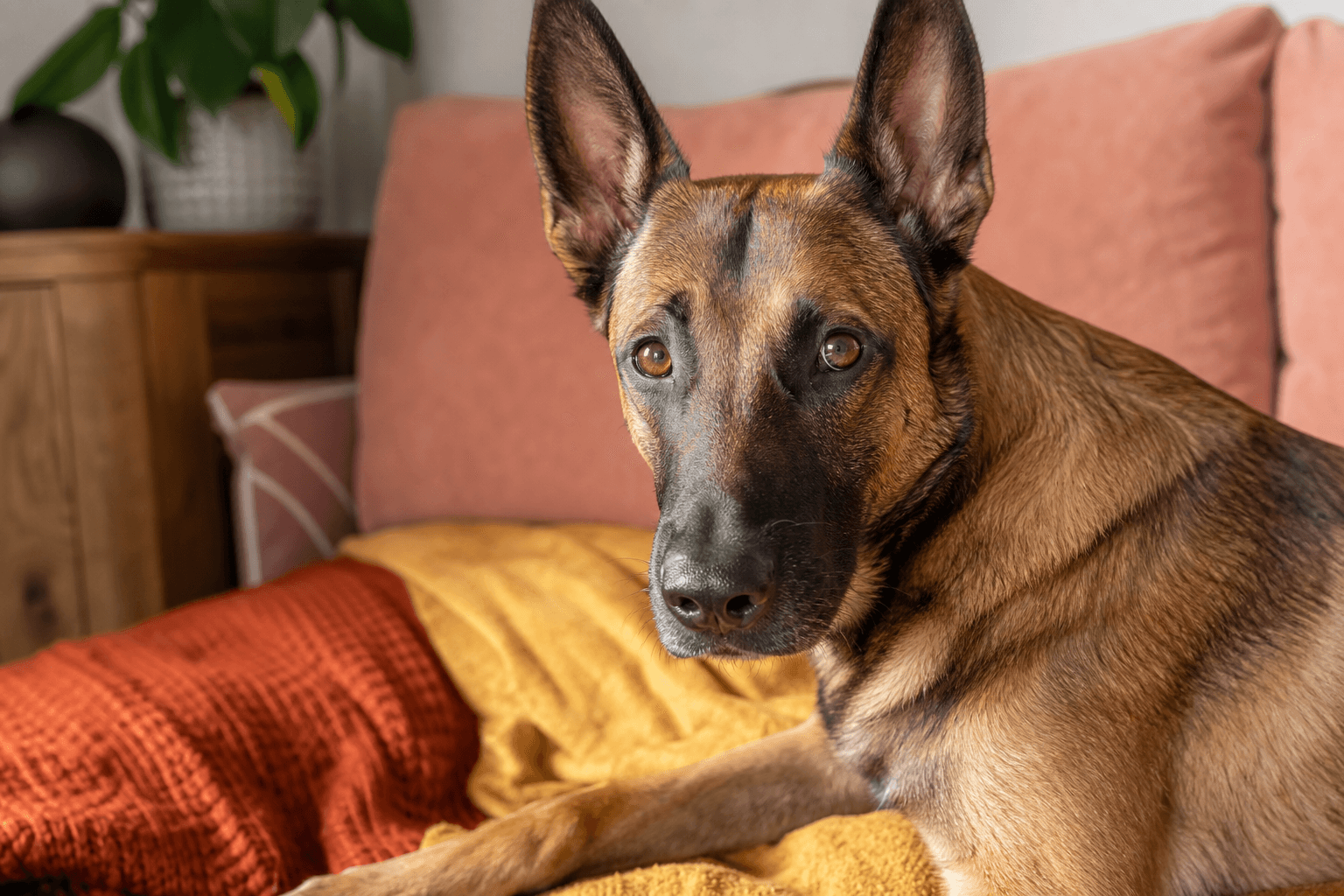
You brought home a Belgian Malinois because you wanted a partner, not a couch ornament.
Good news: with the right care, Malinois give you everything back and more.
Here is exactly how to set yours up for success from week one.
1. Plan for an Athlete, Not a Pet
Belgian Malinois are working dogs first. They need daily structure and serious exercise, not weekend sprints.
Plan on a mix of movement: brisk walks, structured heel time, interval fetch or flirt pole, and free sniffing. For adults, two sessions that total 90 to 120 minutes is realistic when paired with training and mental work.
Puppies are different. Protect joints by keeping exercise short and soft-surface, with play and training doing the heavy lifting.
2. Train Daily: Clarity Beats Length
Short, focused sessions build better habits than marathon drills. Five to ten minutes, three or four times a day, moves mountains with this breed.
Prioritize a clean marker system, a reliable recall, an off switch like place, and a rock-solid out. Reward precision and calm as much as speed.
3. Mental Work Is Non-Negotiable
A tired Malinois is a trained, mentally satisfied Malinois. Physical miles alone will not touch their brain.
Rotate scent games, obedience with distractions, shaping tasks, and puzzle feeding. Join a local club for agility, tracking, or protection sports if that interests you. Even ten minutes of nose work can settle a dog who would otherwise ping around your house.
4. Socialize With Purpose, Not Chaos
Expose your Malinois to people, dogs, surfaces, sounds, and places in a way that builds neutrality. The goal is a dog that can ignore, not greet, the world on cue.
Reward eye contact with you as stimuli appear and disappear. Keep sessions short and upbeat, and step back if your dog is fixating or rehearsing lunges. Quality beats quantity.
5. Manage the Mouth and Drive
This breed grabs and tugs by nature. That does not make them unsafe, but it does demand rules.
Play tug with a clear start cue, a predictable out, and a calm sit before re-bites. Redirect puppy nipping to toys immediately and end play if teeth touch skin. Establish drop, leave it, and boundary games early.
6. Secure Your Environment
Think layered management: crate, baby gates, drag line indoors for early training, and a yard with a secure fence. Many Malinois are jumpers and problem-solvers; flimsy latches are invitations.
Rotate tough chews and safe enrichment when you are busy so the dog has a job that does not involve your baseboards.
7. Grooming and Shedding Strategy
Short coat does not mean no care. Malinois have a dense double coat that sheds year-round and blows out seasonally.
Brush weekly with a slicker or rubber curry, and use a deshedding tool lightly during coat blow. Bathe as needed, then brush while drying to pull out dead undercoat. Check nails every week; fast, athletic dogs need short nails for sound movement.
8. Health Basics and Vet Partnership
Common concerns include hip and elbow dysplasia, eye issues, and orthopedic injuries from over-arousal. Ask your breeder or rescue what health testing was done and keep records handy.
For puppies, avoid repetitive high-impact jumping and long forced runs until growth plates close, typically around 12 to 18 months. Keep a lean body condition and discuss joint-friendly supplements with your vet if appropriate.
Consider pet insurance early, when premiums are lowest and before problems appear.
9. Feed for Performance, Not a Bowl Fill
Choose a complete and balanced diet from a reputable brand and adjust portions to keep ribs easily felt without a fat pad. Think body condition score, not scoop size.
Split meals, use part of the ration for training, and add slow feeders if your dog vacuums food. On heavy work days, a small pre-session snack and main meal after cooldown can aid performance and recovery.
10. Family Life and Decompression
A great Malinois has an off switch. Build it. Reward calm on a bed while life happens, schedule decompression walks on a loose leash in quiet places, and advocate for your dog when excitement spikes.
Supervise closely with kids and teach everyone the rules: no tug with small children, no sprinting past a resting dog, and adults handle greetings and gear.
- Daily plan includes exercise, training, and mental work
- Crate and gates are set up and the yard is escape-proof
- Recall, out, and place are trained and rewarded every day
- Puppy avoids high-impact activities until growth plates close
- Visitors meet the dog under control with leash or place
- I let off-leash greetings happen because my dog is friendly
- I try to wear my Malinois out with fetch only
- I ignore nipping because they will grow out of it