10 Essential Care Tips Every New Australian Kelpie Owner Should Know
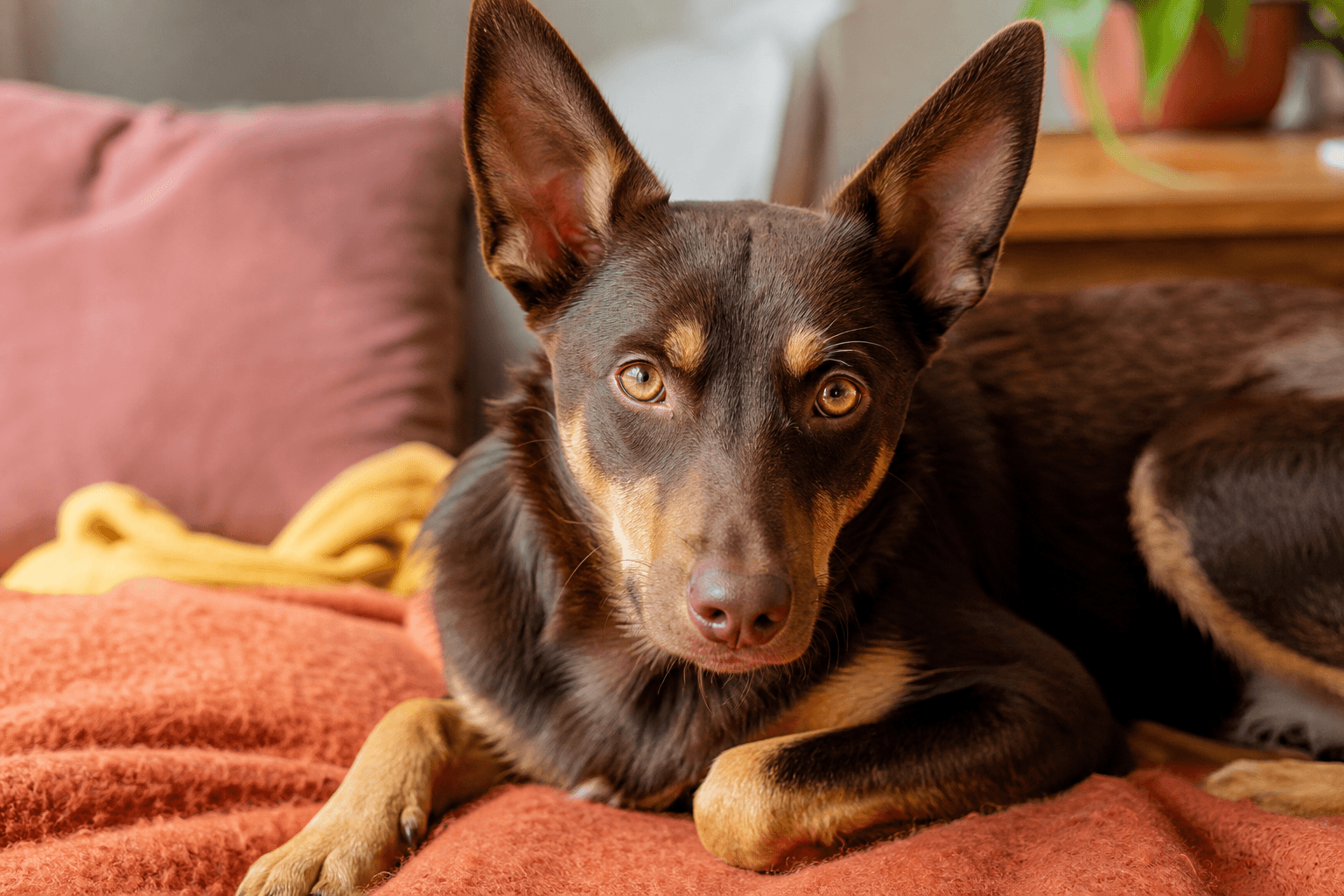
You brought home a Kelpie because you wanted a whip-smart, tireless partner — good call.
Now let us help you channel that genius and energy so you get a calm house dog and a thrilling adventure buddy.
Here are the essentials we wish we knew on day one.
1. Daily Exercise Done Right
Kelpies are built to work all day, but you do not need to mimic a sheep station — you need purposeful, varied movement.
Plan on 60 to 90 minutes split between brisk walks, structured fetch or frisbee with rules, and short sprint sessions; quality beats mindless miles.
2. Mental Workouts That Tire a Kelpie
A thinking Kelpie is a tired Kelpie. Ten minutes of brain work can outdo an hour of jogging.
Scent games
Scatter feed, box searches, or novice nose work to harness that sniffer.
Problem toys
Rotating puzzle feeders and stuffed Kongs prevent boredom.
Trick training
Chains like spin, bow, back up, perch work build body awareness.
Urban agility
Benches, curbs, and safe jumps for confidence and balance.
3. Train the Off Switch
Natural go-go-go means you must teach rest on cue. Build a mat settle: reward calm on a bed daily until your Kelpie can relax during meals, calls, or TV time.
Start alone-time conditioning day one with tiny departures, food-stuffed toys, and calm returns to prevent separation issues.
4. Channel the Herding Instinct
Heel-nipping and circling are instinct, not misbehavior. Redirect fast with a tug, frisbee, or a cue like with me, then pay heavily for choosing you over movement.
With kids, use structured games that forbid chasing and teach a parked watch me when little feet run.
5. Recall and Leash Manners
Rock-solid recall is nonnegotiable for a motion-triggered dog. Start on a long line, pay jackpots for sprinting in, and never poison your cue by using it before baths, meds, or endings.
For leash pulling, practice short, focused sessions: step follows equal forward; pulling equals tree. Change direction often and pay position by your side.
6. Smart Feeding for a Lean Athlete
Choose a complete diet appropriate for high activity, but watch the waistline — Kelpies should feel athletic, not bulky.
Use measured meals, adjust for training treats, and consider split feedings around workouts to avoid exercising hard on a full stomach.
7. Grooming and Shedding
The short double coat is low-fuss, not no-fuss. Weekly rubber curry or bristle brushing keeps oils balanced; during spring and fall sheds, brush every other day.
Trim nails every 2 to 3 weeks, check ears after dusty work, and brush teeth several times a week for long-term health.
8. Vet Care and Screening
Ask your vet about breed-relevant checks: hips and elbows, eye exams, and baseline labs as adults. Keep vaccinations and parasite prevention current if you hike or farm.
Watch for overuse injuries from repetitive fetch; mix surfaces and give true rest days.
9. Secure Your Space
Kelpies are problem solvers. Use solid 6-foot fencing, latch gates, and block common dig-out spots with buried wire or pavers.
Inside, rotate enrichment, store food and trash securely, and give a quiet crate or den so they have a place to power down.
10. Weather and Safety
They run hot when working. In warm weather, train at dawn or dusk, bring water, use shade breaks, and check asphalt with the back of your hand.
In rain and cold, the coat sheds water well, but extended wet work still needs a dry-off and warm rest. Microchip, keep ID tags on, and use a well-fitted Y-harness for control without shoulder strain.
- Daily plan includes exercise, training, and true rest
- Secure fence and locked gates in place
- Recall is proofed around cyclists, joggers, and wildlife
- Overworked with hours of fetch to exhaustion
- Chases kids or bikes for fun