10 Essential Care Tips Every New Australian Cobberdog Owner Should Know
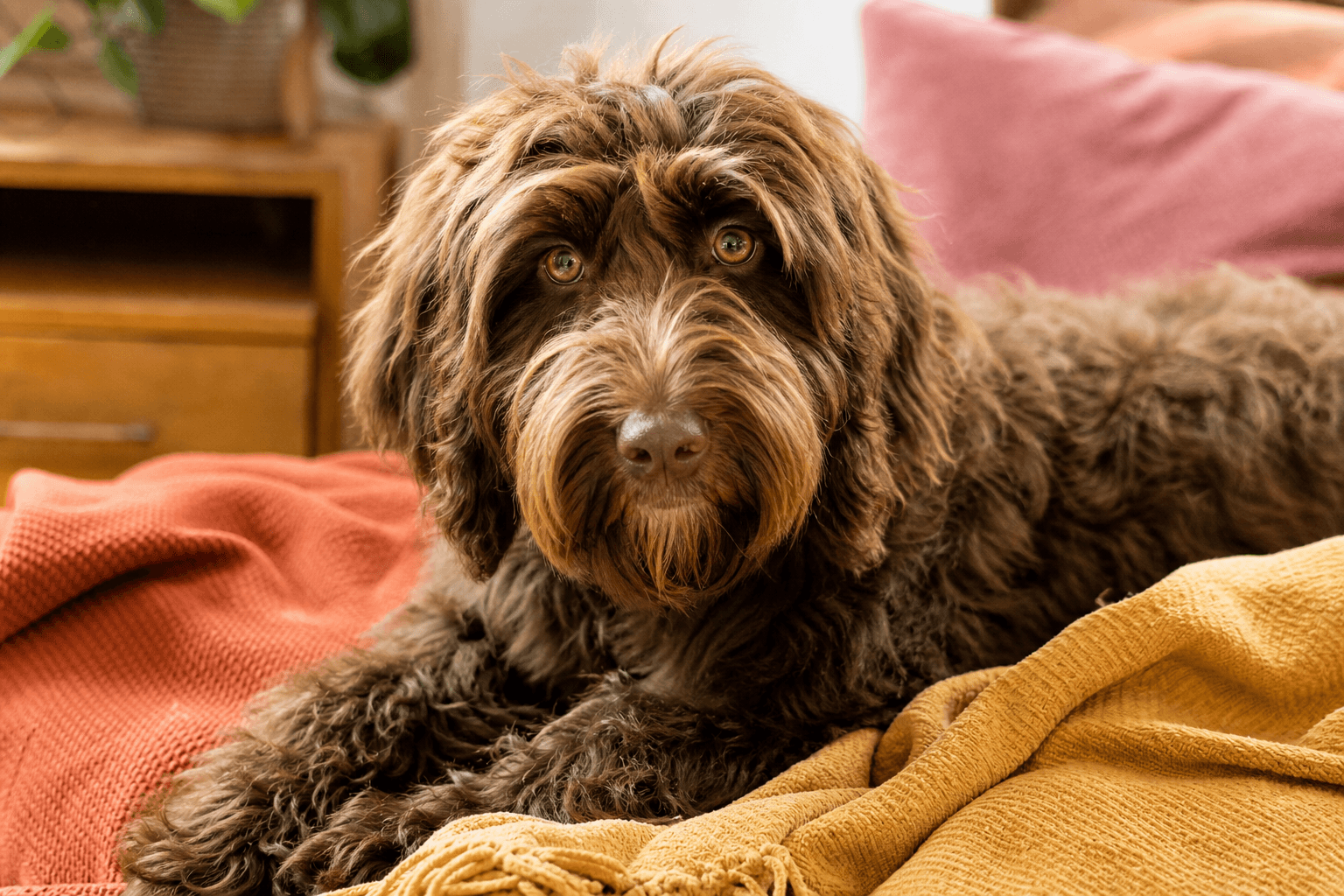
You picked the Australian Cobberdog for that sweet, people-first temperament and easy-going vibe.
Great choice. Now let us help you skip the rookie mistakes and set up a routine that actually works.
Here are the exact care tips we wish we had on day one with this intelligent, low-shedding breed.
1. Know the Cobberdog Temperament and Energy
Cobberdogs are bred for therapy-grade social grace: people-focused, intuitive, and eager to please.
Energy-wise, think moderate. Most adults thrive on about 60 minutes of daily activity split between walks and play, plus brain work.
They read you well, which is wonderful, but it also means they mirror stress. Calm guidance beats high drama every time.
2. Start a Grooming Routine Early
The hallmark low-shedding, wavy to curly coat is beautiful but maintenance-heavy if you wait too long.
Handle paws, ears, tail, and face daily for a minute so grooming becomes normal. Book a gentle intro groom around 16 weeks after vaccines are underway.
3. Brush, Comb, and De-mat the Right Way
Matting starts at the skin, not the surface. A slicker brush lifts, but a stainless comb confirms you reached the roots.
Routine: line-brush in small sections 3 to 4 times a week, then comb to the skin. Pay extra attention where friction happens: behind ears, armpits, collar line, and tail base.
Plan on professional grooming every 6 to 8 weeks. If life gets busy, a shorter pet trim is kinder and more comfortable than battling tangles.
4. Keep Ears Clean and Dry
Those soft, drop ears can trap moisture. After baths or swims, dry the ear flap and entrance gently with a towel.
Use a vet-recommended ear cleaner weekly or after wet play. Redness, odor, or head shaking means it is time to call your vet.
Avoid routine hair plucking inside the canal unless your vet specifically advises it based on your dog.
5. Train with Gentle, Consistent Structure
They learn fast and love to get it right. Reward-based training with tiny treats and praise builds confidence.
Focus on the big four: name response, recall, loose-leash walking, and a reliable settle on a mat.
Keep sessions short and upbeat. End on a win, not when attention is gone.
6. Socialize Broadly, But Protect Growing Joints
Expose your puppy to friendly people, calm dogs, different surfaces, and everyday noises at a pace they can handle.
Skip high-impact stairs, repetitive jumping, and long runs while growth plates are open. Choose sniffy walks, soft play on grass, and puzzle time instead.
7. Feed for Steady Growth and a Healthy Coat
Pick a complete and balanced diet appropriate for your dog’s life stage and size. Many Cobberdogs fall into medium or standard sizes, so portion accordingly.
Look for visible benefits: consistent energy, small well-formed stools, skin that is comfortable, and a coat that shines. Add vet-approved omega 3s if the coat seems dull or flaky.
Measure meals, use part of the ration for training, and keep treats modest to avoid extra weight on developing joints.
8. Exercise Smart: Body and Brain
Daily walks, fetch on soft ground, and varied sniff routes cover the body. Enrichment feeds the mind.
Scent games
Scatter-feed or hide kibble in easy spots and gradually increase difficulty.
Food puzzles
Use slow bowls, snuffle mats, or puzzle toys to turn meals into thinking time.
Shaping sessions
Teach simple tricks like chin rest or spin to build focus and body awareness.
Calm chews
Offer safe, vet-approved chews after activity to promote relaxation.
Ten minutes of nose work can tire a Cobberdog more than a long march, and it is gentler on joints.
9. Health Basics: Vet, Vaccines, and Screening
Establish care with a vet early. Keep core vaccinations, parasite prevention, and dental care on schedule.
Ask your breeder and vet about breed-relevant screenings such as hips and elbows, and eye evaluations for hereditary conditions.
Learn your dog’s normals: resting heart rate, typical appetite, stool quality, and skin condition. Changes are your early warning system.
10. Make Alone-Time Training Part of Day One
Cobberdogs bond deeply and can become clingy without guidance.
Practice tiny separations from the start: baby gate in sight, chew on a bed, short out-of-room trips, then gradually lengthen.
Pair departures with something great and keep returns calm. If you see escalating distress, scale back and consult your vet or a certified trainer.
Set this up now and your future self will thank you