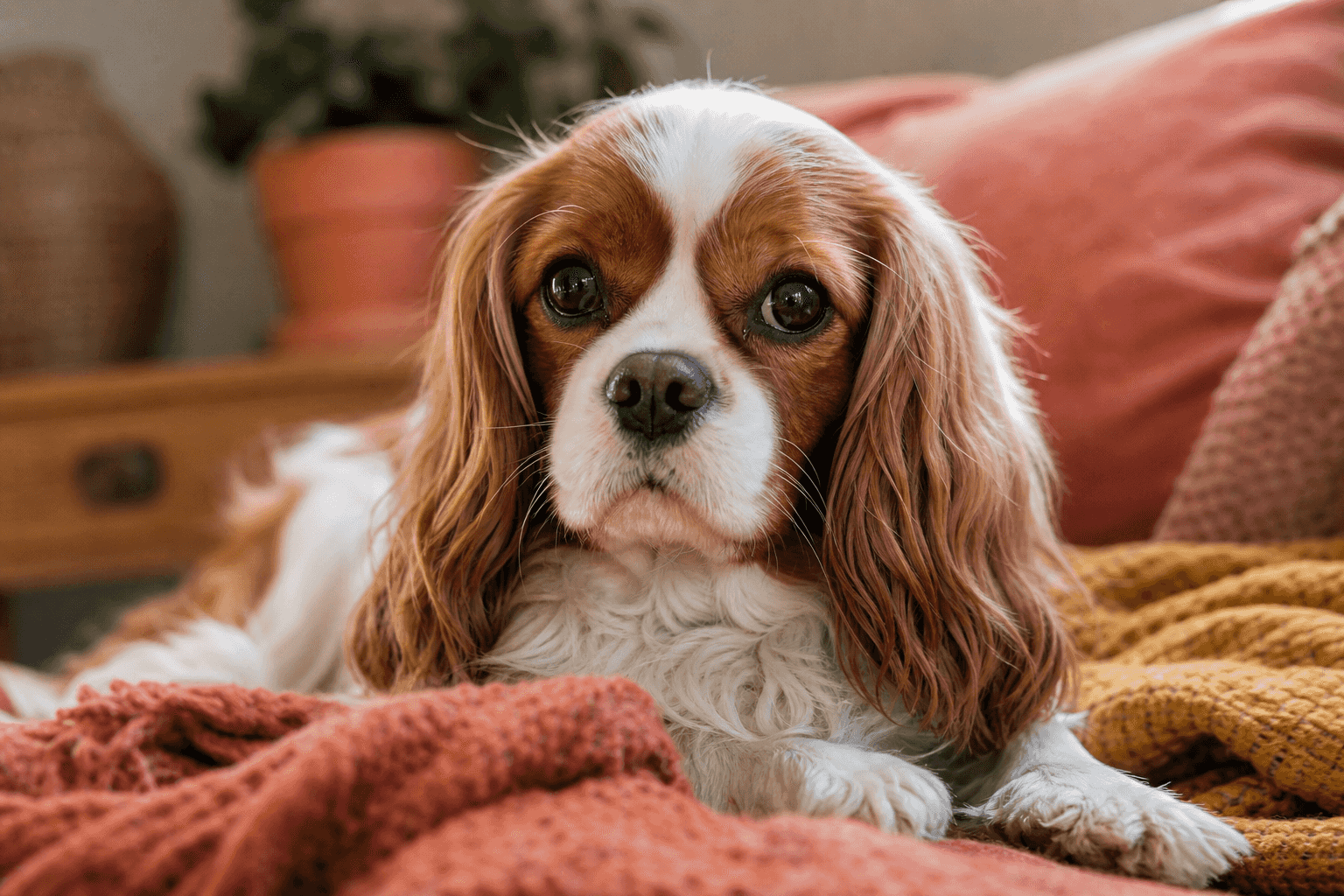
Eight Kinds of People Who Would Enjoy Having a Dachshund as a Pet

Thinking about adding a Dachshund to your life? You're in the right place — because these little dogs aren't for everyone.
They're small in size but massive in personality. And over years of living with them, one thing has become crystal clear: Dachshunds absolutely thrive with certain kinds of people.
So here's what this guide does. It walks you through the eight types of people who tend to fall head-over-heels for this breed — so you can see, honestly, whether you're one of them.
Let's find out.
12–16 yrs
Average Dachshund lifespan
This is a long-term relationship
1. You Want a Constant Companion
Here's the first big one.
Dachshunds are velcro dogs — they live to be near their people. If you like the idea of a shadow that follows you from room to room, this breed delivers.
They'll curl up next to you on the couch. They'll wait outside the bathroom door. And they'll greet you like a returning rock star every single time you walk in.
What does this mean for you? A deep, loyal bond — but also a dog that genuinely dislikes being left alone for long stretches.
But loving your company doesn’t mean they’re couch potatoes.
2. You're Active — But Not a Marathoner
Don't let those short legs fool you.
Dachshunds are surprisingly energetic little athletes. They love daily walks, sniffing out new smells, and even short hikes when the terrain is gentle.
Think forest trails and city strolls — not brutal mountain climbs. Their long backs mean rough or jarring terrain can do real harm, especially when they're very young or getting older.
In short: if you're the type who enjoys a good daily walk but isn't training for an ultramarathon, you and a Doxie are a great fit.
3. You Love a Cuddle Buddy
Now for the softer side.
If you're a sofa snuggler, Dachshunds are right there with you — usually already under the blanket before you are.
They're natural heat-seekers. They love burrowing into cozy spots and curling up in your lap for hours.
“Some of the coziest evenings you’ll ever have involve a Dachshund snoozing beside you while you read or watch TV.”
4. You've Got a Family — and You Teach Kids to Respect Pets
Dachshunds can be wonderful family dogs. But there's an important condition attached.
They're playful and love being part of the action. Yet they're still small dogs with long, delicate backs — which means careless handling or rough play can lead to serious injury.
Gentle older kids
GreatKids who understand boundaries make ideal Dachshund companions.
Toddlers
With careConstant supervision is a must — no picking up or roughhousing.
Busy, active households
Good fitThey love being in the middle of things, as long as play stays gentle.
Homes with no pet rules
RiskyWithout taught boundaries, injuries can happen fast.
So what does this mean for you? Supervision and teaching gentle handling aren't optional extras — they're the whole game.
5. You're Social — and Your Dog Is Part of Your Crew
Here's a fun one.
Dachshunds are natural attention magnets. Between their unique looks and expressive faces, they turn heads wherever they go.
If you love chatting with fellow dog lovers at the park or striking up conversations mid-walk, a Doxie is a brilliant icebreaker.
But there's a catch: not every Dachshund loves attention from strangers. Some are more reserved than others.
6. You Appreciate a Good Laugh
If you want a dog that doubles as free entertainment, you've found it.
Dachshunds are full of character. Between their silly zoomies, dramatic expressions, and the way they stubbornly "talk back," they're unintentionally hilarious.
Quick poll
What sounds most like your dream dog?
In short: if you want a big personality with a side of sass, this breed will keep you grinning.
7. You Love Dressing Up Your Pup (Responsibly)
This one's more practical than it sounds.
With their short coats and long torsos, Dachshunds genuinely need extra warmth in colder weather. So a cozy sweater isn't just cute — it's useful.
Whether it's a snug jumper or a simple bandana, they tend to wear it well.
- Choose outfits that let them move freely
- Add layers in cold or wet weather
- Check the fit around the neck and legs
- Force clothing on a dog that clearly hates it
- Use anything that restricts movement or breathing
8. You're Ready for a Long-Term Commitment
Now for the most important type of all.
Dachshunds live an average of 12–16 years. That's a long, loyal relationship — and it comes with real responsibility.
They need consistent care: vet visits, quality food, daily exercise, and mental stimulation to keep that clever brain busy.
Here's the kicker: they're prone to back problems. Jumping on and off furniture should be limited to protect their spine.
If you're in it for the long haul, they'll repay you with a lifetime of devotion.
So — are you one of the eight?
Frequently Asked Questions
They can be, especially for owners who love companionship and are ready to be consistent. Just know they’re bright, stubborn, and need patient, positive training — plus careful attention to their back health.
Not long. Dachshunds are deeply attached to their people and can develop separation anxiety when left for long stretches. Build in walks, check-ins, or a sitter if you’re away for a full workday.
They can be vocal — they were bred to hunt and alert. With early training and enough mental stimulation, you can manage barking, but expect an opinionated little watchdog.
Yes, in the right home. They thrive with gentle, respectful kids and constant supervision. Because of their delicate backs, rough handling and being picked up carelessly must be avoided.
Many get along well with other dogs and even cats, especially when socialized early. Their hunting instincts can kick in around very small pets, so introductions should be calm and supervised.
Two things: protecting their back from injury, and managing their stubborn streak. Both are very doable with ramps, gentle boundaries, and patient, reward-based training.
Many mellow out somewhat by 1 to 2 years old, though their playful, sassy personality tends to stick around for life. Consistent exercise and training help smooth out the wild puppy phase.