Top 15 Family-Friendly Dog Breeds for Households with Children
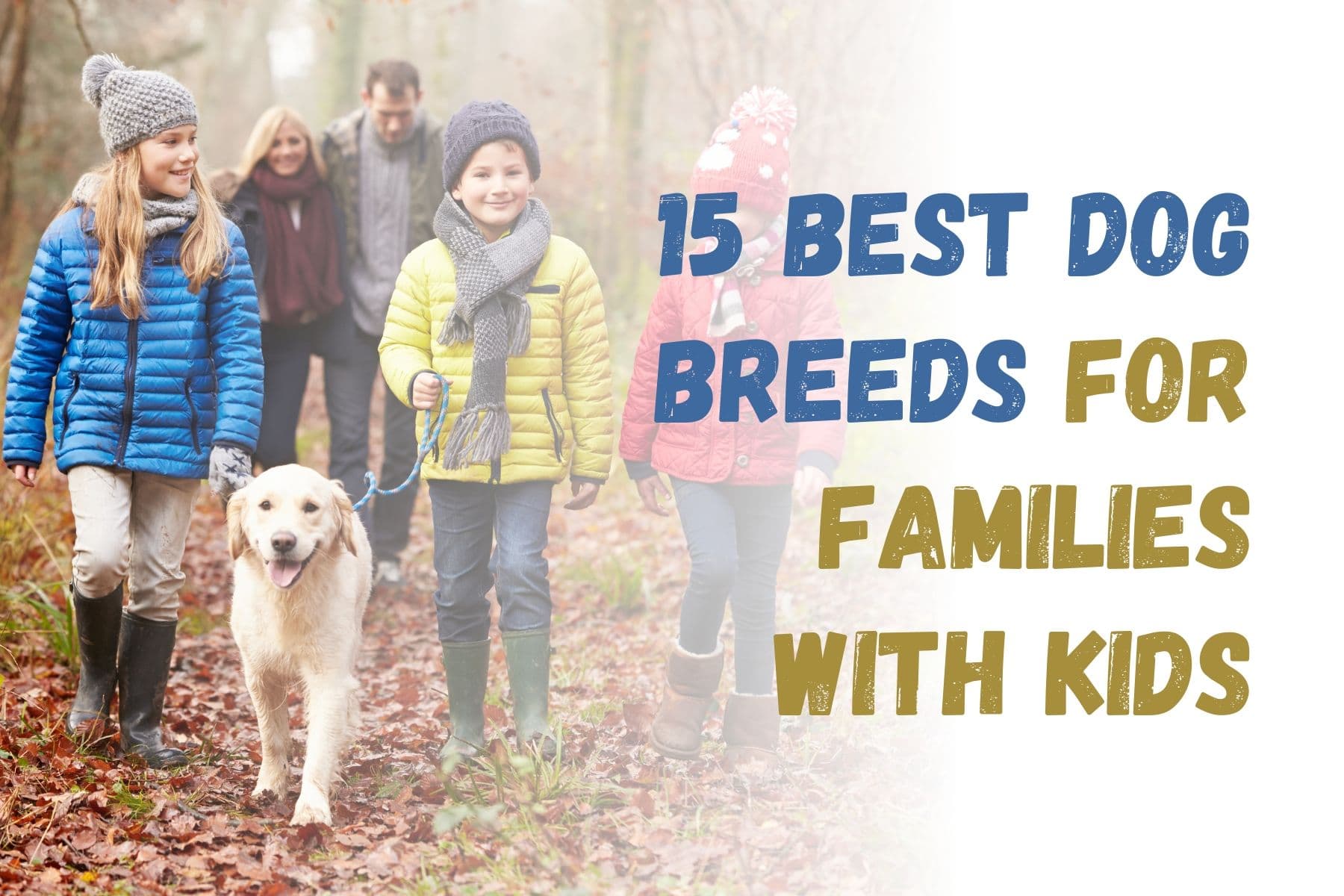
You want a dog your kids will grow up with — one that's patient with sticky hands, calm during the chaos, and safe around toddlers. We get it.
Here's the good news: the right breed makes that dream feel easy.
Below you'll find 15 family-friendly dog breeds that consistently shine in busy households with children — chosen for real-life compatibility, not just looks or popularity.
We'll cover the big, the small, the couch potatoes, and the energizer bunnies — so you can match a dog to your family, not someone else's.
15
kid-tested breeds
Toy → Giant
sizes for every home
#1
thing that beats breed: training
Before we dive in, one quick truth to keep in the back of your mind: even the "best" family breed can become a handful without training and socialization. More on that at the very end.
Let's start with the breeds practically everyone recommends first.
The Big-Hearted Classics
If you've ever asked a friend "what's a good family dog?", odds are they named one of these three.
There's a reason for that.
Labrador Retriever
Labs are the gold standard of family dogs.
Ours was a goofy, tail-wagging buddy who tolerated toddler tea parties and never turned down a snuggle.
They're gentle, easy to train, and endlessly patient — a lifesaver when little ones are tugging ears or zooming past.
Golden Retriever
Goldens are every bit as kid-friendly as Labs: sweet, eager to please, and always down for fetch.
But here's what sets them apart — they're intuitive and calm, almost like they can sense when a child needs a quiet moment.
What this means in practice: a Golden can be both the rowdy playmate and the steady, calming presence in the room.
Boxer
Is your family always on the move? A Boxer will keep up — and then some.
They're energetic, protective, and genuinely love being around children.
Because they're strong, early training is a must — but their goofy, loyal heart makes them a fantastic fit for active families.
Now for the softies who look tough but melt for their kids.
Gentle Giants & Loyal Watchdogs
Big dogs and small kids sound like a scary combo — until you meet these breeds.
Some of the most patient dogs on this list are also the largest.
Newfoundland
Don't let the size scare you. Newfoundlands are gentle giants through and through.
They're so famously patient and protective with children that they've earned the nickname "nanny dogs."
If you've got the space — and don't mind a little drool — they make truly incredible companions.
Collie
Remember Lassie? That reputation is earned.
Collies are smart, loyal, and wonderful with kids — gentle but alert enough to make excellent watchdogs without any aggression.
Their long coats need regular grooming, but that sweet temperament more than makes up for it.
Bulldog
Bulldogs are surprisingly chill for how tough they look.
Ours was basically a couch potato with a heart of gold — perfect for apartment living or families who prefer slow strolls over long hikes.
If you want a lower-energy dog that still adores attention, the Bulldog delivers.
“Some of the biggest dogs on this list are the gentlest — size isn't the same as danger.”
Short on space? These pint-sized cuddlers are made for smaller homes.
Small But Mighty
Not every family has a backyard — and that's completely fine.
These smaller breeds pack a lot of love into a compact, apartment-friendly package.
Cavalier King Charles Spaniel
Gentle, adaptable, and devoted to companionship. Easy to train and not prone to rough play — ideal for babies and toddlers.
Beagle
Small, curious, and bursting with personality. A little stubborn, so stay consistent — but affectionate and playful with older kids.
Pug
Silly, loving, and adaptable to almost any home. Low exercise needs and an easy coat — just watch the treats, they overeat.
Shih Tzu
A lapdog with a big heart. Affectionate and calm with gentle kids. Daily brushing is a must, but so worth it.
Poodle
Toy, miniature, or standard — all smart, affectionate, and hypoallergenic. Less shedding is a big win for allergy-prone homes.
You might be wondering: which one is easiest for a first-time family?
The Cavalier and the Poodle top that list — both are eager to please and forgiving of beginner mistakes.
Got endless energy to burn? These four will happily run your kids ragged.
For Active, Outdoorsy Families
If your weekends involve hikes, runs, and backyard chaos, you need a dog who can actually keep up.
Here's where it gets fun.
Irish Setter
Beautiful, friendly, and full of energy — Irish Setters are made for families who love the outdoors.
They're gentle with kids and love being in the middle of the action. Just budget time for regular brushing of that silky red coat.
Vizsla
Vizslas are the original "Velcro dogs" — they want to be with their people every waking minute.
Affectionate, athletic, and great with kids who can match their pace, they thrive in families that hike, run, and play outside.
Siberian Husky
Huskies are stunning and full of personality — but they're best for families who can meet their energy head-on.
They need lots of exercise and they're notorious escape artists, so a secure yard is non-negotiable.
Give them that, and you'll get a gentle, playful, pack-loving companion.
Weimaraner
Sleek, loyal, and deeply bonded to their families, Weimaraners are smart and trainable — but best for experienced owners.
They need plenty of mental stimulation and structure to stay balanced.
Pros
High-energy breeds are great when...
- Your family loves the outdoors
- You have daily time for real exercise
- You want a running or hiking buddy
- Your kids are old enough to keep up
Cons
...but tricky when
- You work long hours away from home
- You live in a small space with no yard
- You're brand-new to dog training
- You want a low-maintenance couch dog
So which one is actually right for you? Here's how to decide.
How to Choose the Right One for Your Family
There's no one-size-fits-all family dog.
The right breed depends on your lifestyle, how much time you can give to training and exercise, and the age and temperament of your kids.
- Match energy level — active breed for active family, calm breed for calm home
- Meet the actual dog before committing, not just the breed
- Watch how the dog interacts with your kids — and how they respond
- Plan for training and socialization from day one
- Don't pick a breed on looks alone
- Don't skip grooming needs — some coats are daily work
- Don't bring home a high-prey-drive dog if you have small pets
When in doubt, meet the dog first — whether from a breeder, rescue, or shelter.
That chemistry between your child and the dog matters more than any breed description ever will.
Quick poll
What matters most for your family dog?
Frequently Asked Questions
Labrador Retrievers, Golden Retrievers, and Cavalier King Charles Spaniels are top picks. All three are gentle, patient, and forgiving of the unpredictable behavior that comes with toddlers. Whatever breed you choose, always supervise interactions between young children and dogs.
Many are — some of the gentlest breeds are also the largest. Newfoundlands are literally nicknamed "nanny dogs" for their patience. The key is early training, socialization, and never leaving a young child unsupervised with any dog, regardless of size.
Cavalier King Charles Spaniels, Pugs, Shih Tzus, and Bulldogs all adapt well to smaller spaces and lower exercise needs. They still love attention and companionship, so they suit apartment life beautifully.
Poodles are the standout choice thanks to their low-shedding, hypoallergenic coats. No dog is completely allergen-free, but Poodles (and Poodle mixes) tend to be far easier on allergy-prone households.
It varies a lot. Bulldogs, Pugs, and Shih Tzus are happy with short walks and cuddles. Boxers, Vizslas, Huskies, and Weimaraners need serious daily activity to stay balanced and well-behaved. Match the dog to your energy level.
Yes — absolutely. A good temperament is a head start, not a guarantee. Even the calmest breed needs training, socialization, and consistent boundaries to become the reliable family dog you picture.
Weimaraners have a strong prey drive and may not mix safely with rabbits, hamsters, or cats. Huskies can also have a high chase instinct. If you have small pets, factor that in before choosing.
Both can work. Puppies let you shape behavior from the start but need heavy training and patience. Adult dogs from rescues often come with a known temperament — which can be safer around kids. Meeting the dog in person is the best way to decide.

Judith Aleguen is a freelance writer, editor, and shelter volunteer who fosters rescue cats and dogs. She turns hands-on experience into practical, easy-to-read pet care guides.
Every guide follows our editorial standards. This article is for informational purposes only and is not a substitute for professional advice — always consult a licensed veterinarian about your pet's health.