7 things to know before owning a Glen of Imaal Terrier
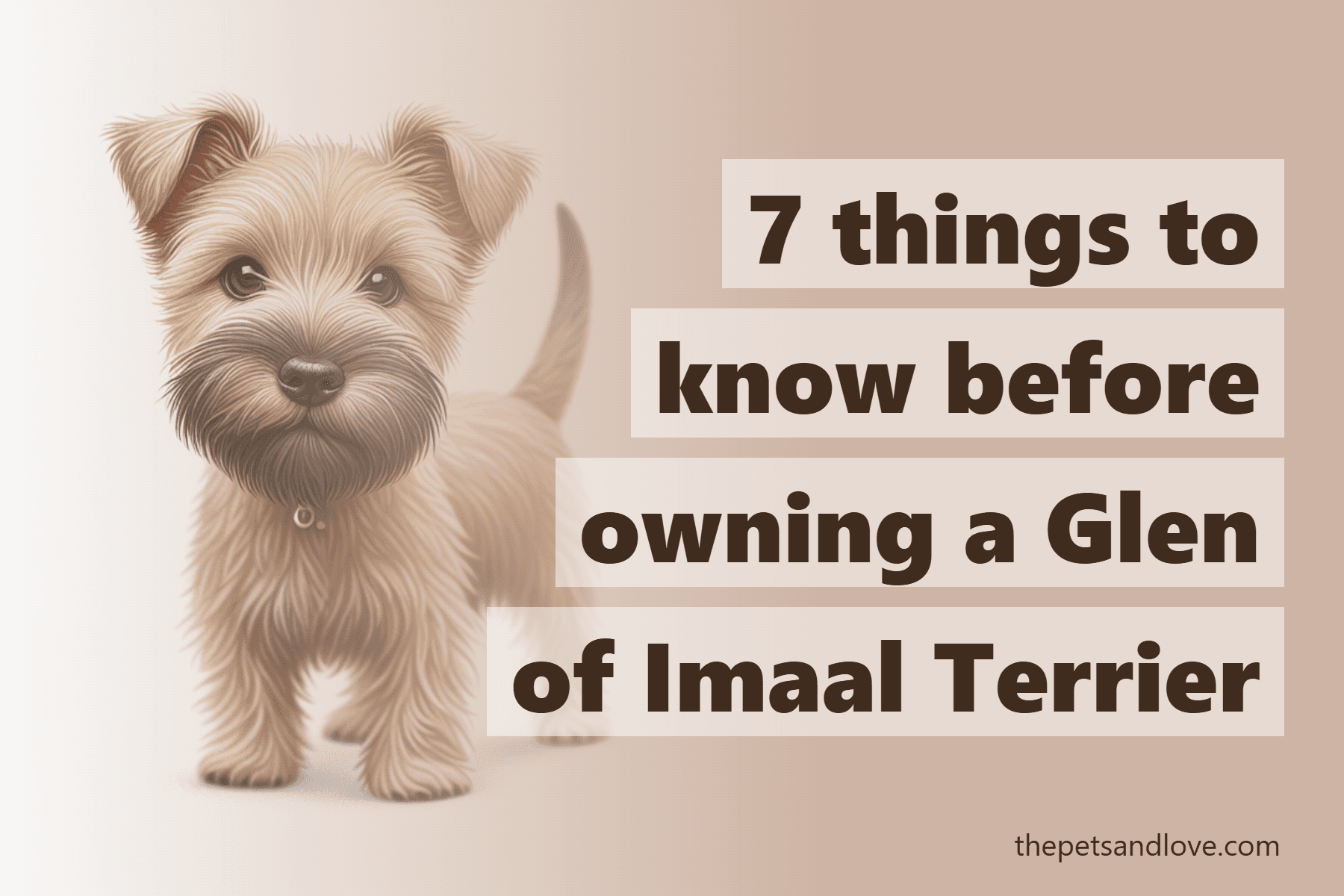
You want a dog with terrier grit — but not the nonstop barking, digging, and hyperactivity that usually comes with it. Good news: that dog exists.
The Glen of Imaal Terrier is the quiet rebel of the terrier world. Calm indoors, fearless when it counts, and loyal to the bone.
But "calm terrier" doesn't mean "easy dog." Glens come with a stubborn streak, a serious prey drive, and a few quirks that catch new owners off guard.
Below are the 7 things you really need to know before bringing one home — the good, the tricky, and the surprising.
10–15 yrs
Typical lifespan
~30 min
Daily exercise
Low
Bark tendency
“Big dog in a small package — that's the Glen in five words.”
1. Personality: Calm but Courageous
Here's the first surprise: Glens are terriers, but they're the mellow kind.
They won't bark their heads off at every passing squirrel. They're not itching to dig up your garden for fun. Most days, they'd rather lounge near you than tear around the yard.
But don't mistake calm for soft.
Catch a whiff of prey or hear something suspicious, and that easygoing switch flips instantly. Suddenly you've got a focused, fearless little tank ready to act.
Loyal, not clingy
They bond deeply with family but don't demand constant attention. A rare, comfortable balance.
Quietly affectionate
They love your company on their own terms — close by, but not in your lap 24/7.
Fearless when it counts
That terrier courage is real. Small in size, huge in confidence.
Even-tempered indoors
One of the calmest terriers you'll meet under the roof.
Calm at home is great — but how much do they need outside?
2. Exercise Needs: Moderate and Manageable
Good news for busy people: Glens aren't high-energy whirlwinds.
A daily walk plus some playtime — around **30 minutes** total — usually keeps them happy and balanced.
But there's one age-specific catch you can't ignore.
And whenever you're outside, keep them leashed or in a secure yard.
That strong prey drive means a smaller animal darting past can override every ounce of their training in a heartbeat.
Low energy, but what about all that coat maintenance?
3. Grooming: Low-Maintenance, But Don't Skip It
Here's a relief: Glens have a double coat that doesn't shed much.
But "low shedding" isn't the same as "no effort." Skip the brushing and you'll pay for it in mats.
- Brush once or twice a week to prevent tangles
- Trim the coat a couple of times a year
- Bathe when they actually get dirty
- Keep up nail trims, ear checks, and teeth brushing
- Let mats build up between grooming sessions
So where do they actually fit best — apartment or acreage?
4. Living With a Glen: Apartment-Friendly, Family-Savvy
This is where the Glen quietly shines.
City apartment or country home — they adapt to both. And because they're not big barkers, they make genuinely good neighbors.
But they do love to dig and chase, so if you have a yard, make it secure.
Now, here's the part families need to hear:
Older kids
Great matchPerfect for children who understand gentle, respectful play.
Toddlers
Use cautionGlens are sturdy and strong — they can accidentally knock a small child over during play.
Apartments
ExcellentQuiet and adaptable, they thrive in close quarters.
Small pets
RiskyStrong prey drive means hamsters, cats, and small critters may not be safe.
They're smart — but are they easy to train? Not quite.
5. Training: Smart, Stubborn, and Food-Motivated
Glens are clever, quick learners. That's the easy part.
The tricky part? They come with a genuine stubborn streak.
Push too hard or rely on harsh corrections, and you'll hit a wall. Glens simply shut down.
Training that actually works with a Glen
- Keep sessions short and upbeatA few focused minutes beat a long, boring drill every time.
- Lead with treats and praiseThey're food-motivated — use it. Positive reinforcement only.
- Socialize early and oftenWithout it, Glens can turn wary of strangers or testy with other dogs.
- Respect the prey driveRaised with other pets they can coexist — but never fully trust them alone with small animals.
The opposite. Glens are smart enough to question why they should obey — so make the payoff worth it.
Raised around other animals, Glens often get along fine. Small prey-sized pets are the real exception.
Quick poll
What's your biggest training worry with a stubborn breed?
Now let's talk about keeping them healthy for the long haul.
6. Health and Diet: Keep an Eye Out
Overall, Glens are a hardy, healthy breed with a solid lifespan of **10 to 15 years**.
But like many breeds, they can be prone to a few genetic issues worth watching for.
Joint health
Hip dysplasia can occur, as with many sturdy breeds. Keep puppies from over-stressing developing joints.
Eye conditions
Some eye problems can run in the breed — routine vet checks help catch them early.
Weight watch
Glens love to eat. Their compact build hides extra pounds fast, so watch the treats.
Quality over quantity
They don't need a lot of food — but they do need good food built for moderately active dogs.
One last thing that surprises almost every new Glen owner...
7. Not Natural Swimmers
Here's the one that catches people off guard.
Despite their tough build and love of play, Glens are not built for swimming.
Those short legs and that stocky, dense body make staying afloat genuinely hard.
“Originally bred in Ireland to hunt silently, the Glen still carries a hunter's heart — just without the constant barking.”
Frequently Asked Questions
They can be, thanks to their calm nature and moderate exercise needs. The main challenge is their stubborn streak and prey drive — first-timers who commit to early socialization and positive training usually do great.
No — and this is one of their best features. Glens have a notably low bark tendency compared to most terriers, which makes them excellent apartment dogs and good neighbors.
They're a great match for older kids who play gently. Toddlers are riskier, since Glens are sturdy and strong enough to accidentally knock a small child over during play.
Raised alongside other dogs and cats, many Glens coexist peacefully. But their strong prey drive means small animals — hamsters, rabbits, and the like — may never be fully safe.
Around 30 minutes a day of walking and play is usually enough. They're moderate-energy dogs, not high-octane whirlwinds — mental enrichment counts too.
Not well. Their short legs and heavy, stocky build make swimming difficult. Always supervise them around water and consider a canine life vest.
For most owners, it's the combination of stubbornness and prey drive. Consistent, reward-based training and a securely fenced yard solve most of the friction.
Typically 10 to 15 years. With good diet, regular vet care, and healthy weight management, many enjoy long, active lives.