How to Prevent Dog Bites: 10 Useful Tips
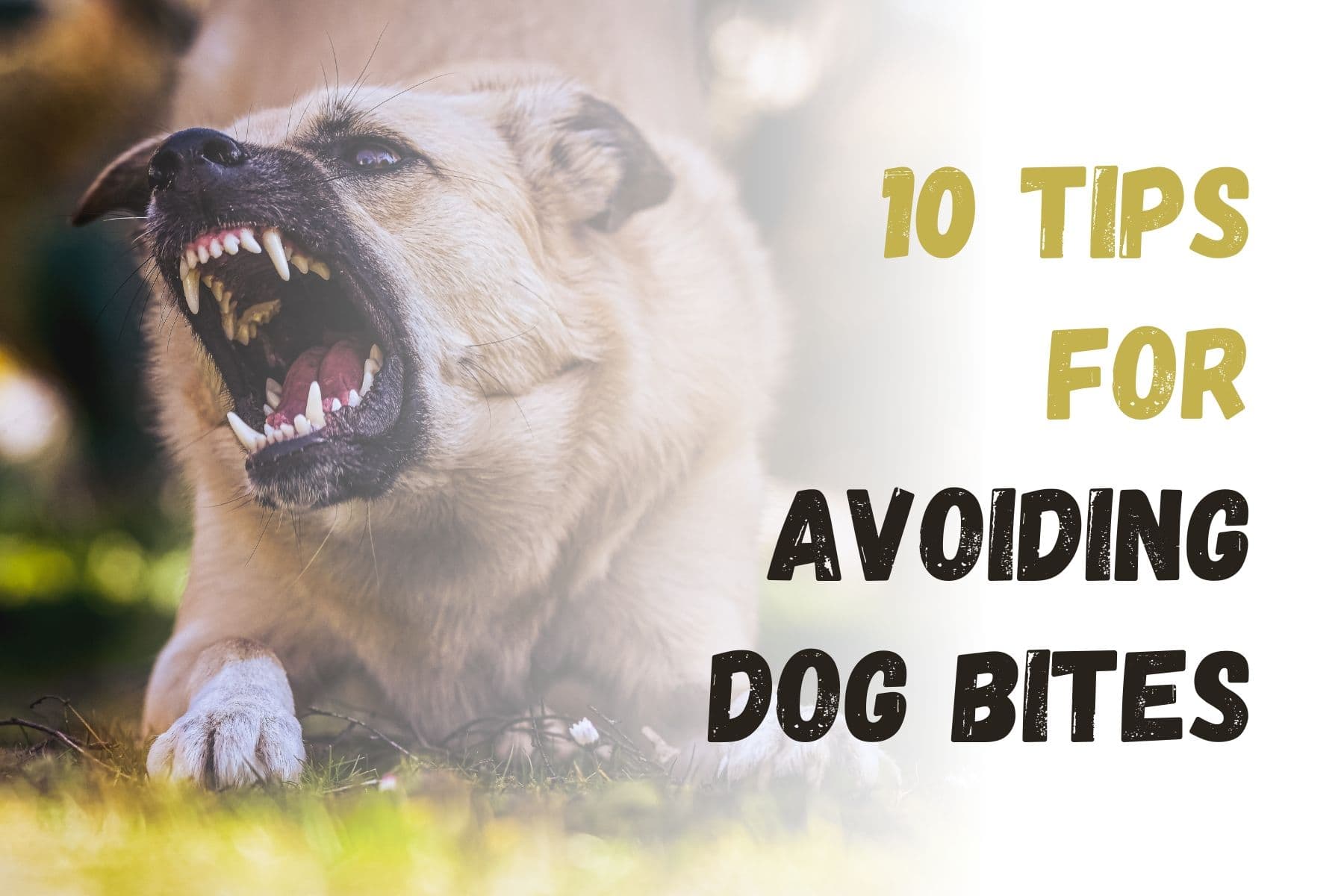
Even the sweetest dog can bite — and it usually has nothing to do with a "bad" temperament.
Most bites come down to fear, pain, or stress that boiled over before anyone noticed the warning signs.
The good news? Almost all of it is preventable once you know what to watch for.
Over years of raising, fostering, and working with dogs, we've collected the habits that actually keep everyone safe. Here are the 10 that matter most.
“Prevention isn't about controlling your dog. It's about understanding them — and setting them up to succeed.”
1. Start Socializing Early — But It's Never Too Late
The more of the world a dog experiences early on, the calmer and more confident they tend to be as adults.
For puppies, the golden window falls between 3 and 14 weeks old. That's when new sights, sounds, people, and animals leave the deepest, most positive impressions.
But here's the reassuring part: older dogs can still learn this too.
Consistent, gentle exposure works at any age. Take walks in new places, let them meet friendly dogs, and introduce different kinds of people.
Just watch their reactions closely. If your dog looks nervous, slow down — socialization should feel positive, never overwhelming.
Once they're comfortable in the world, give them a language to lean on.
2. Train the Basics — It's More Than Just "Sit"
Obedience training isn't about party tricks. It's about communication.
Simple cues like "sit," "stay," and "leave it" give you real tools to steer your dog through tense moments before they escalate.
And there's a quieter benefit most people miss.
Dogs feel more secure when they understand what's expected of them. Structure lowers anxiety — and a less anxious dog is a less likely-to-bite dog.
On top of that, training builds trust. That trust becomes your safety net when your dog is scared or unsure of something new.
- Reward with treats and praise, not corrections
- Keep sessions short — 5 to 10 minutes
- Practice cues in calm settings before stressful ones
- Punish or yell when your dog gets it wrong
- Only train when a problem already exists
3. Supervise Dogs and Kids — Always
Even a dog that adores children needs supervision around them.
Kids are unpredictable. They pull ears, hug too tight, or shriek with excitement — and that overwhelms dogs fast.
We've watched the calmest, most patient dogs reach their limit when a child got too rough or too loud.
So set the ground rules early, for both sides.
Non-negotiable kid + dog rules
- No approaching a sleeping or eating dogStartling a dog mid-meal or mid-nap is a classic bite trigger.
- No hugging or climbingMany dogs tolerate it but do not enjoy it — and tolerance runs out.
- Always supervise, never assumeA trusted dog is still a dog. Stay in the room.
The same respect applies to dogs you don't know — maybe even more so.
4. Respect a Dog's Space — Especially Strangers
Never assume a strange dog wants to be petted, no matter how friendly they look.
Always ask the owner first. If they say yes, approach slowly, turn your body slightly to the side rather than head-on, and let the dog sniff your hand before you reach out.
Here's a subtle one people get wrong: direct eye contact.
A nervous dog can read a hard stare as a challenge. Soften your gaze, and if the dog looks tense or unsure, simply back off.
5. Don't Approach Tied-Up or Unfamiliar Dogs
A restrained dog — tethered to a post or stuck behind a fence — can feel trapped.
They can't create distance if they feel threatened, so they may defend themselves instead.
We've heard far too many bite stories that started with someone reaching for a tied-up dog.
Any of these situations can flip protective instincts on in an instant. When in doubt, give space.
6. Learn to Read Dog Body Language
Dogs are talking to us constantly. We just have to learn the signals.
A bite almost never comes out of nowhere — the dog usually gave several warnings first.
Growling or bared teeth
The loudest warning. Never punish a growl — it is honest communication you want your dog to keep giving.
Stiff body or tucked tail
A frozen, rigid posture means the dog is bracing, not relaxing.
Lip licking & looking away
Subtle stress signals that say "I need some space, please."
Raised hackles
The fur along the spine standing up signals high arousal or fear.
See any of these? Give the dog room.
Trying to soothe or push them through the moment usually makes things worse.
Not always. A high, stiff, fast wag can signal tension or arousal. Read the whole body — loose and wiggly is friendly; stiff and still is not.
Punishing a growl teaches a dog to skip the warning and go straight to biting. A growl is a gift — respect it and back off.
Sometimes the smartest move is avoiding the trigger altogether.
7. Avoid Stressful Situations When Possible
Crowds, fireworks, and packs of unfamiliar dogs can overwhelm even a stable pup.
If your dog panics at loud noises, skip the festival. If they get reactive around other dogs, put off the off-leash park for now.
This isn't about avoiding the world forever.
It's about managing stress today while you build real confidence through gradual, positive exposure over time.
8. Keep Your Dog Healthy
Pain changes behavior — fast.
We've seen gentle dogs snap because of a hidden ear infection or a sore tooth no one knew about.
So if your normally easygoing dog suddenly gets reactive or flinches from touch, treat it as a possible medical issue, not a personality change.
Routine checkups catch these problems early. And a comfortable dog is a far more tolerant, patient dog.
9. Spay or Neuter Your Dog
This is about far more than preventing litters.
Fixing your dog can ease hormone-driven behaviors like roaming, marking, and some forms of aggression.
It's not a magic switch, though.
It works best as one piece of the puzzle — alongside good training and steady socialization.
10. Secure Your Yard and Use a Leash
An escaped dog meeting unfamiliar people or pets is a recipe for trouble.
A secure fence and close supervision go a long way, especially in busy neighborhoods.
And in public? Leash up, every time.
It's not only about safety — it's about being a considerate, trustworthy member of your community.
Pros
What prevention gives you
- A calmer, more confident dog
- Safer interactions with kids and strangers
- Trust that holds up under stress
- Peace of mind on every walk
Cons
What ignoring it risks
- Preventable bites and injuries
- A dog that learns to escalate quickly
- Stressful, unpredictable outings
- Liability and heartbreak
Frequently Asked Questions
Most bites come from fear, pain, or stress — not aggression. A dog that feels trapped, startled, or unwell will defend itself, even if it is usually gentle. Reading body language and respecting space prevents the vast majority of these moments.
No. The 3–14 week window is ideal, but adult dogs can absolutely learn to feel comfortable with new people, places, and animals. Go slow, keep it positive, and never force interactions.
Never. A growl is a warning — honest, useful communication. Punish it and your dog may skip the warning next time and go straight to a bite. Instead, back off and address whatever is making them uncomfortable.
Always supervise, and teach kids to avoid hugging, climbing, or bothering a dog that is eating or sleeping. Let the dog choose to approach, and give them an escape route to a quiet space whenever they want out.
A sudden behavior shift often signals pain or illness. Book a vet visit before assuming it is a training problem — a hidden ear infection, dental issue, or injury can turn a sweet dog reactive fast.
It can reduce some hormone-driven behaviors like roaming and marking, and may help with certain forms of aggression. But it is not a cure-all — pair it with training and socialization for the best results.