Working Kelpie Match Quiz
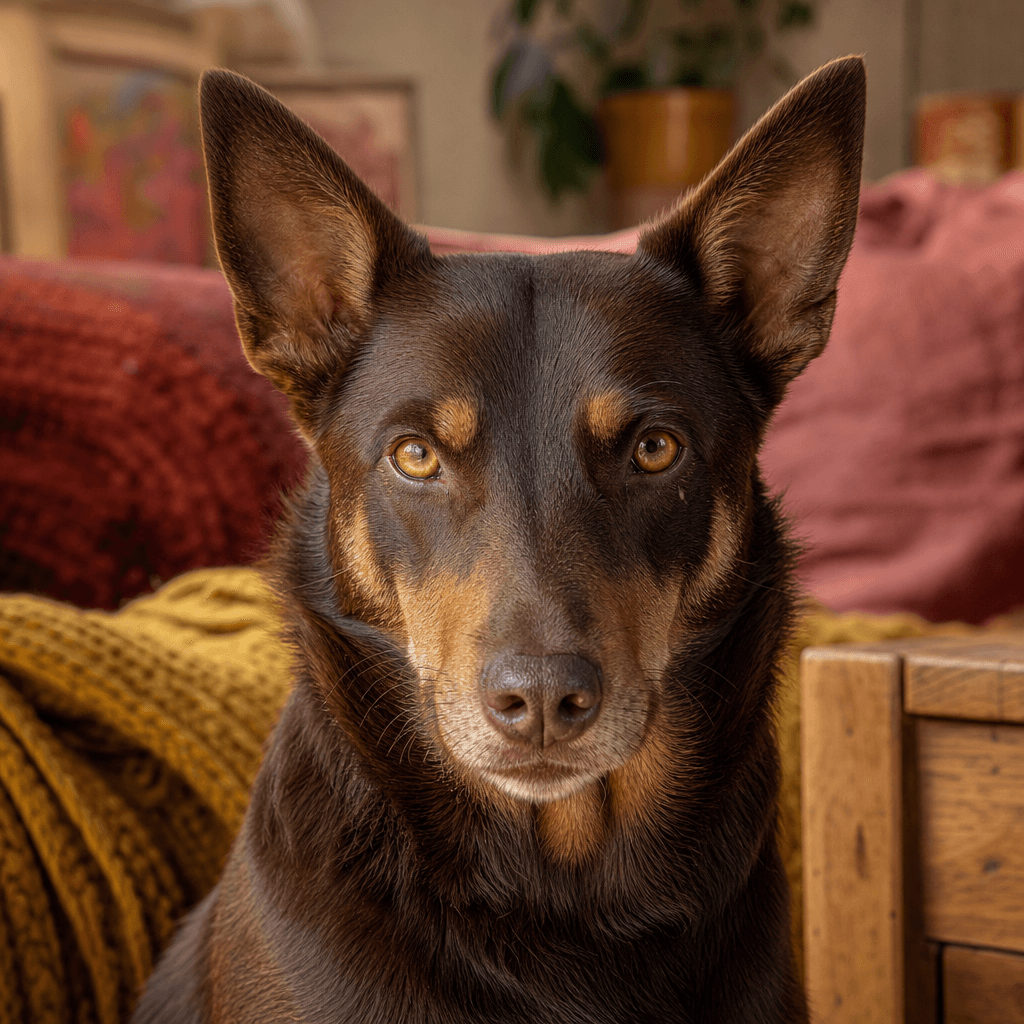
Is a Working Kelpie right for you?
16 quick questions
Question 1of 16
How much purposeful exercise and mental work can you give, every day?
The ideal answer: 2–3 hours of mixed physical and brain work, daily
That’s the sweet spot for a true working Kelpie. With your plan, you’ll meet the body’s needs and feed the brain, which is what actually turns the edge off. Keep sessions varied — warm-up trot, skills block, problem-solving, then a decompression sniff walk — and you’ll see a calm dog at home.
Question 2of 16
Where will this dog actually live and move?
The ideal answer: Property or farm/ranch with safe stock access
That’s home turf for a Working Kelpie. With real stock work or controlled exposure, expect a dog that matures beautifully, learns the job from context, and sleeps hard at night. Keep fences secure even on acreage — a fit Kelpie can clear a low gate without touching it.
Question 3of 16
What’s the dog’s primary job in your life?
The ideal answer: Regular stock work (job or lessons weekly)
Perfect. Routine stock exposure lets a Kelpie express the very behaviors it was selected for — casting, fetching, and reading pressure — and empties the tank better than any run. Pair it with calm home rules so the work intensity stays on the field, not in your living room.
Question 4of 16
How much hands-on training can you do on a typical weekday?
The ideal answer: 30–45 minutes split into short sessions
Excellent. Three to five mini-sessions fit how Kelpies learn best and keep arousal balanced. Keep criteria clear, reward fast, and end while your dog still wants more — tomorrow’s session will pop.
Question 5of 16
Be honest: your working/herding-dog experience is…
The ideal answer: I’ve trained herding or high-drive sport dogs before
Perfect. Your timing and feel for arousal will keep this dog’s brilliance from spilling into bad habits. Expect to progress quickly — and to enjoy every minute of it.
Question 6of 16
On a normal weekday, your dog would be alone…
The ideal answer: Rarely — someone is around or there’s a midday break
Great. A pre-work workout, a stuffed chew during your absence, and a short check-in make this breed’s downtime easy. Expect a content dog snoozing between jobs.
Question 7of 16
Describe the people pace at home:
The ideal answer: Calm adults or teens who follow rules
Ideal. Clear expectations and predictable handling let a Kelpie relax off-duty. You’ll see a thoughtful housemate instead of a hall monitor.
Question 8of 16
Any cats, poultry, or pocket pets in the picture?
The ideal answer: No cats/poultry; maybe another sturdy dog
Easy mode. Without small, chaseable housemates, you’ll spend your training capital on useful skills instead of constant management. Well-matched canine companions can be great, especially if they share your exercise routine.
Question 9of 16
What does your yard or containment look like?
The ideal answer: 5–6 ft solid fence, dig-proof, gates locked
Perfect. That height plus dig guards and locked gates respect the Kelpie’s talents. Add a shade spot and a chew station so the yard is a rest area, not a track.
Question 10of 16
How much barking can you realistically live with?
The ideal answer: Some alert barking is fine; I’ll train it
Good fit. Teach a cue for quiet, control windows to the street, and meet daily work needs — you’ll keep vocalizing in the useful range. A tired Kelpie rarely narrates the neighborhood.
Question 11of 16
How do you feel about a low-maintenance coat that still sheds?
The ideal answer: Easy — weekly brush and some hair is fine
Perfect match. A quick slicker/comb pass keeps the coat healthy, and a mat by the door saves your floors after wet work. You’ll trade ten minutes a week for a dog that dries fast and stays field-ready.
Question 12of 16
An unexpected $800–$1,500 vet bill would be…
The ideal answer: Covered — savings or pet insurance in place
Great stance. Insure early to avoid pre-existing exclusions and you’ll be ready for the occasional stitch-up or x-ray. Ask breeders about hip scores and relevant DNA tests so you start on the best footing.
Question 13of 16
Your typical climate looks like…
The ideal answer: Temperate with warm summers, mild winters
Ideal. Early/late work sessions in summer and normal daytime training the rest of the year will suit a Kelpie fine. Watch hydration and paw care on hot, abrasive surfaces.
Question 14of 16
What’s your concrete plan to meet a Kelpie’s needs in town?
The ideal answer: Club member, weekly classes, daily runs, weekend trials
That’s the blueprint that works. Your dog will have a job, a community, and predictable outlets — which turns high drive into harmony. City Kelpies with your plan are a joy to live with.
Question 15of 16
How confident are you about training and maintaining a rock-solid recall?
The ideal answer: Very — I’ve built strong recalls before
Excellent. Start with long lines, pay generously, and proof against distractions progressively. That investment gives you safe freedom on trails and fields later.
Question 16of 16
How often are you away overnight or tied up for long days?
The ideal answer: Dog comes along or stays with a sport-savvy sitter
Great. With a crate, mat skills, and a handler who keeps the routine, trips feel like field days. Many Kelpies love life on the road when their brains and legs still get used.
Your result
Answer the 16 questions above and your match score appears here.