Alano Español Match Quiz
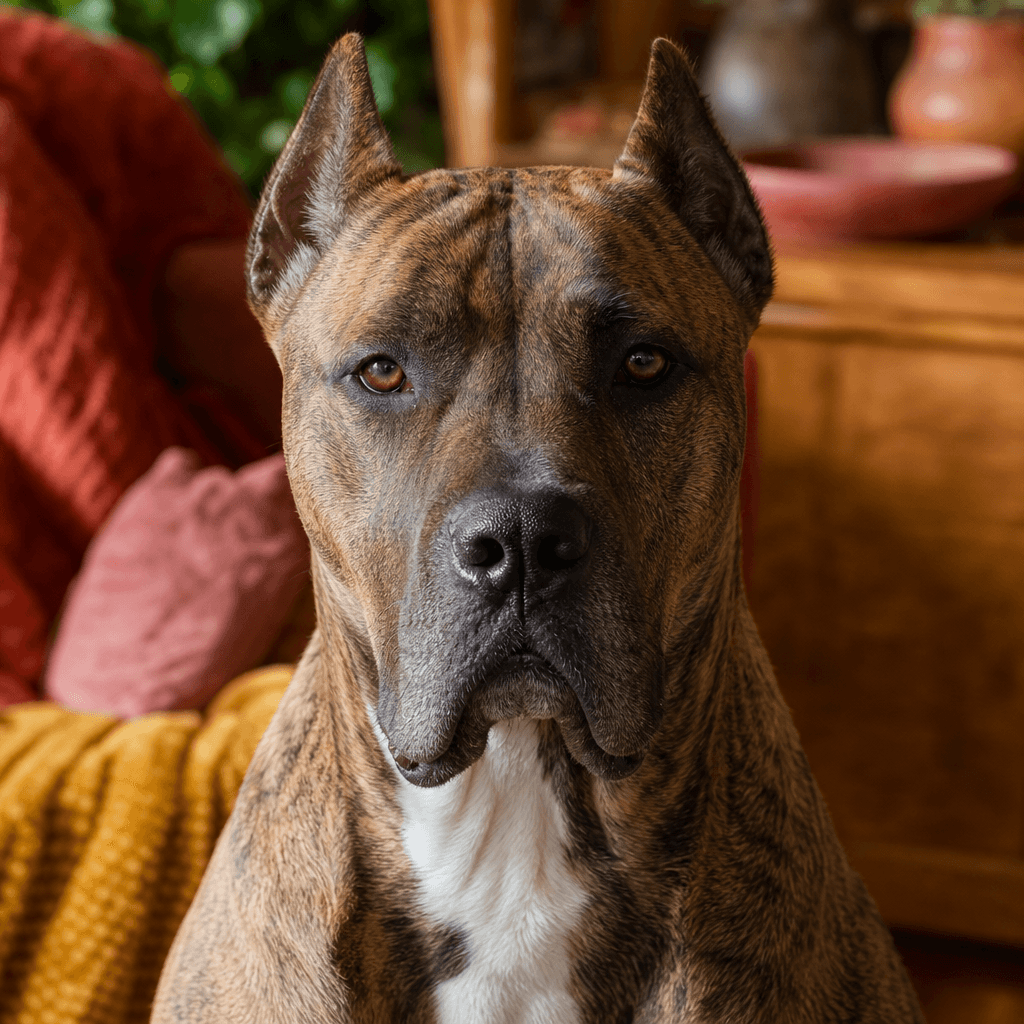
Is an Alano Español right for you?
15 quick questions
Question 1of 15
Realistically, how much structured exercise can you provide every day?
The ideal answer: 90–120 minutes: brisk walks, conditioning, training
Great — 90–120 minutes of real work is right in the Alano Español’s wheelhouse. This is an athletic, boar‑hunting, cattle‑catching molosser built for stamina and power, not for couch life. Plan on splitting that time into two sessions (AM/PM) with a mix of brisk roadwork, hill hikes, conditioning, and 10–15 minutes of obedience or impulse‑control drills.
Build a weekly rhythm. Before 18 months, keep impact low to protect joints; after maturity, you can layer in controlled strength work (backpack at 5–10% body weight, drag/flirt‑pole with strict rules, tracking/mantrailing). Expect 3–4 cups of quality food daily for a 66–88 lb adult, roughly $70–120/month. Gear to budget: a 6‑ft leash, well‑fitted collar or front‑clip harness, long line, boots for rough trails, and a crate (42–48 in). Key: most Alanós need both physical and mental jobs to stay stable.
Rule of thumb: 60–75 minutes aerobic + 15–30 minutes skill/brain work per day keeps this breed settled.
- Sample split: 45–60 min morning roadwork/hike + 20 min evening obedience/nosework.
- Add 1–2 longer outings (90+ min) weekly and 1 true rest day with enrichment only.
Question 2of 15
Where will this dog live and stretch its legs?
The ideal answer: Home with a 6‑ft, secure fenced yard
Perfect. A secure 6‑ft fence is almost mandatory for an Alano Español’s prey drive and territorial instincts. It gives you a safe place for decompression, training reps, and potty breaks without relying on off‑leash reliability around wildlife or passing dogs.
Make the yard work for you: add a 20–30 ft long line for recall drills, a shaded spot, and dig deterrents along the perimeter. No invisible fences — most Alanós will blow through them if aroused. Remember, a yard is enrichment, not exercise; you’ll still want daily roadwork and training.
- Budget: fence repairs/gates $200–$600 annually; yard wear‑and‑tear is real.
- Safety: don’t leave unsupervised for long stretches; working molossers can practice territorial behavior when bored.
Question 3of 15
Your background with powerful, working/guardian breeds is…
The ideal answer: I’ve raised/trained large working or guardian breeds
Excellent. Prior hands‑on time with powerful working or guardian breeds translates directly here. The Alano Español is steady but strong‑willed; you’ll set the tone with calm rules, neutrality in public, and well‑timed rewards.
Expect to install reliable foundations early: leash skills, place/door manners, neutrality around dogs/strangers, and a conditioned relaxation routine. Muzzle training for vet/urban situations is smart insurance with any serious molosser. With your background, you’ll likely enjoy channeling this dog into tracking, obedience, or controlled protection sport under a qualified coach.
Question 4of 15
When a powerful dog pushes a boundary, your approach is…
The ideal answer: Calm, structured, reward‑based with firm boundaries
Spot on. Calm, reward‑based training with firm, consistent boundaries is exactly what keeps an Alano Español clear‑headed and cooperative. This breed doesn’t need harshness; it needs clarity, timing, and predictable routines.
Use food, toys, and affection to build heel, recall, and place, and pair that with non‑negotiables like door manners and polite greetings. Add fair consequences via management (leash, crate, gates) rather than heavy corrections. The payoff is big: a stable guardian that reads you well, recovers quickly, and settles in the home.
Question 5of 15
Your first‑year socialization plan looks like…
The ideal answer: Weekly, planned field trips and classes with neutrality goals
Perfect. This breed needs planned, neutral exposures — not a social butterfly tour. Weekly field trips (hardware stores, quiet cafe patios, stable sidewalks) and a foundations class are ideal. Your goal: calm indifference to strangers and dogs, not making friends with everyone.
Make a simple tracker for 12 months: new surfaces, sounds, vet handling, muzzling, car rides, kids on scooters — all paired with focus and recovery. Skip dog parks; schedule controlled parallel walks with known, steady dogs instead.
| First‑year target | Frequency |
|---|---|
| Neutral public outings | 2–3/week |
| Handling/vet prep + muzzle | 5–10 min, 3×/week |
| Class or coached session | Weekly for 8–12 weeks |
Question 6of 15
What’s the child situation at home?
The ideal answer: Adults/teens who follow rules
Great fit. With adults and rule‑following teens, you can run a predictable program — exactly what an Alano Español respects. Install household structure (crate/place, door manners, leash rules indoors) and give clear guidance on guest management.
Keep training short and regular, and assign responsibilities. Supervision remains non‑negotiable during meals, play, and guest arrivals. A stable routine helps this guardian relax off‑duty.
Question 7of 15
Any other animals or dog‑park plans?
The ideal answer: Solo dog, or opposite‑sex companion with slow intro
Excellent. Many Alano Españoles do best as solo dogs or with a well‑matched, opposite‑sex companion. Same‑sex tensions are common in working molossers.
Do slow, layered introductions over 1–2 weeks: scent swaps, barrier greetings, parallel walks, then short indoor sessions on leashes. Manage resources (toys/food) and teach place/settle. Muzzle‑train for first contact if either dog is pushy; it’s cheap insurance for a powerful breed.
Question 8of 15
On a typical weekday, how long would the dog be alone?
The ideal answer: 0–4 hours, or there’s a midday break
Ideal. With 0–4 hours alone or a midday break, you can keep an Alano Español balanced. Use that flexibility to front‑load training, decompression, and real exercise.
Crate train from day one, rotate durable chews, and add 10–15 minutes of brain work before absences. Tired mind + predictable routine = calm guardian when you step out.
Question 9of 15
What kind of “work” will you do together?
The ideal answer: Weekly classes/sport plus daily homework
Fantastic. The Alano Español shines with purposeful work. Consider tracking/mantrailing, scentwork, obedience/rally for control under arousal, or weight‑pull/conditioning. Protection sports are possible only with qualified coaches and appropriate temperament testing.
Plan a weekly class plus 10–15 minutes of daily homework. Budget guide:
| Item | Estimated cost |
|---|---|
| Group class (6–8 wks) | $150–$300 |
| Private coaching | $100–$150/hr |
| Sport gear (muzzle, long line, harness) | $150–$300 |
Result: a clearer, calmer dog who understands when to work and when to switch off.
Question 10of 15
How often do you have guests, and how do you picture greetings going?
The ideal answer: Occasional guests; I’ll crate or place the dog for arrivals
Excellent plan. Crating or placing your Alano Español for arrivals lets arousal drop and keeps greetings predictable. This breed does best with calm, invited interactions — or no interaction at all.
Workflow: crate/place before the doorbell, release only after the dog is settled, and optionally fit a muzzle for first impressions. Provide guests with clear instructions (ignore until released). Neutral is success; forced friendliness isn’t required.
Question 11of 15
What’s your situation with housing, insurance, and local rules?
The ideal answer: Own or stable rental; I’ve verified laws and insurance
Perfect. Stable housing and confirmed insurance/local rules remove major hurdles. The Alano Español can be mislabeled as a generic “mastiff type,” so proactive paperwork helps.
Keep a folder: microchip and license, vaccinations, training records, and a photo of your dog wearing a muzzle (shows due diligence). If HOA or insurer changes, you have evidence of responsible ownership.
Question 12of 15
How do you feel about basic coat and nail care?
The ideal answer: Weekly brush, nail/grind every 2–3 weeks — no problem
Great. The Alano Español’s short coat is low‑maintenance if you keep up with basics. A weekly rubber curry or grooming glove removes shed hair and keeps skin healthy; nails every 2–3 weeks prevent splits and splay.
Add ear checks and dental care (brushing or dental chews). Expect light year‑round shedding and the occasional drool after drinking. Regular handling practice (paws, mouth, ears) doubles as training for vet visits.
| Task | Frequency | Notes |
|---|---|---|
| Brush | 1×/week | Rubber curry/glove |
| Nails | 2–3 weeks | Grind or clip; reward heavily |
| Ears/teeth | Weekly | Quick wipe/brush |
Question 13of 15
An unexpected $1,500 emergency vet bill would be…
The ideal answer: Covered — savings or pet insurance in place
Good plan. Large working breeds come with large‑dog bills. An emergency of $1,500 is common (GI upset, laceration repair); orthopedic issues or foreign‑body surgery can run $3,000–$6,000.
Consider accident/illness insurance ($45–$90/month for a big dog) with a sensible deductible. Ongoing costs: quality food $70–$120/month, training $300–$1,000 in year one, and routine care $300–$600. Prepared owners make better decisions under stress.
Question 14of 15
What climate will your Alano live in?
The ideal answer: Temperate climate; shade and AC are available
Great. In a temperate climate with shade and AC, the Alano Español does well. The short coat sheds lightly year‑round and dries quickly after rain.
Still follow heat/cold common sense: rest in midday heat, hydrate on longer outings, and add a fleece or insulated coat for prolonged time below freezing. Indoors is home base for this short‑coated guardian.
Question 15of 15
Handling a dog that can really pull — be honest:
The ideal answer: Comfortable training heel/loose leash with proper gear
Excellent. Confident handling and good gear make life easy with a strong dog. Install a reinforced loose‑leash walk and a reliable heel, then proof around triggers at distance.
Recommended kit: 6‑ft leather leash, well‑fitted flat/martingale collar or front‑clip harness; consider a prong fitted by a pro for heavy pullers. Skip back‑clip only and retractables — they teach pulling. Short, daily reps beat long battles.
Your result
Answer the 15 questions above and your match score appears here.