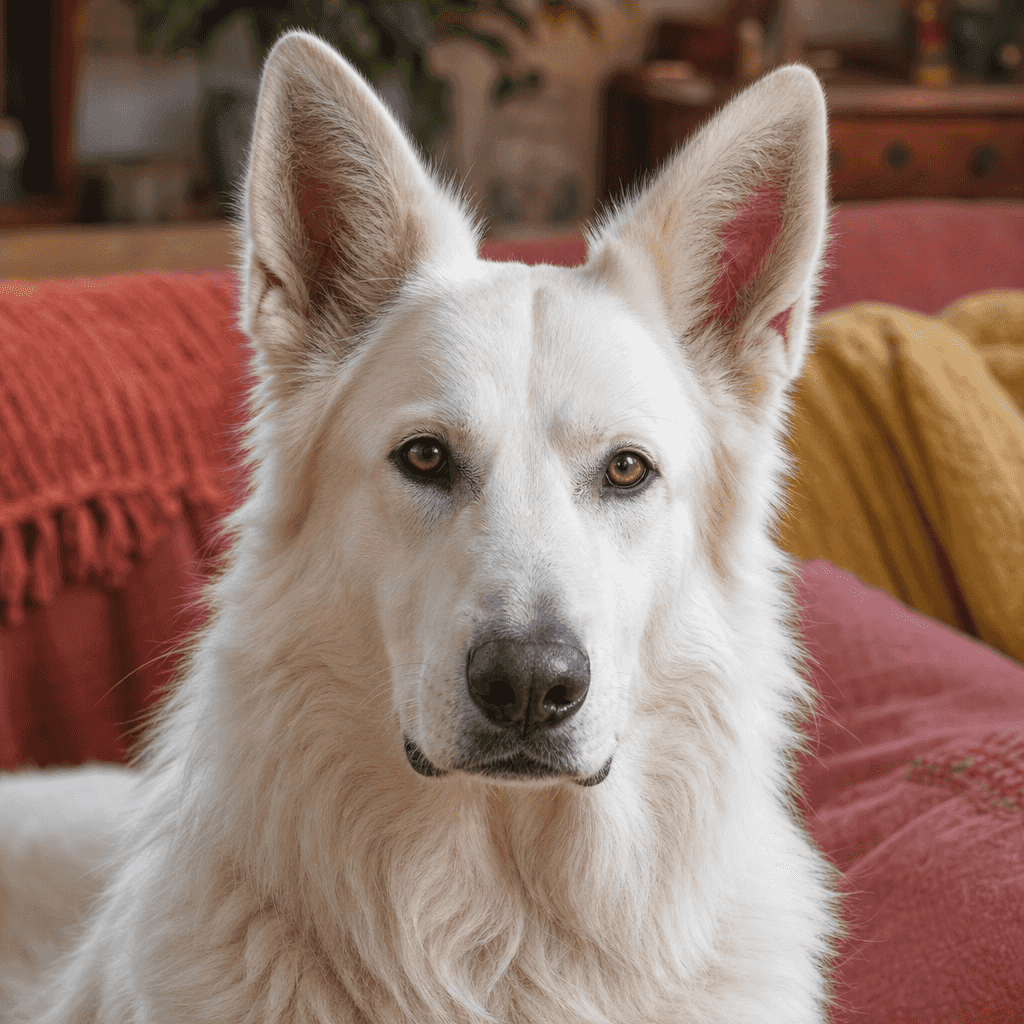
Akbash Match Quiz
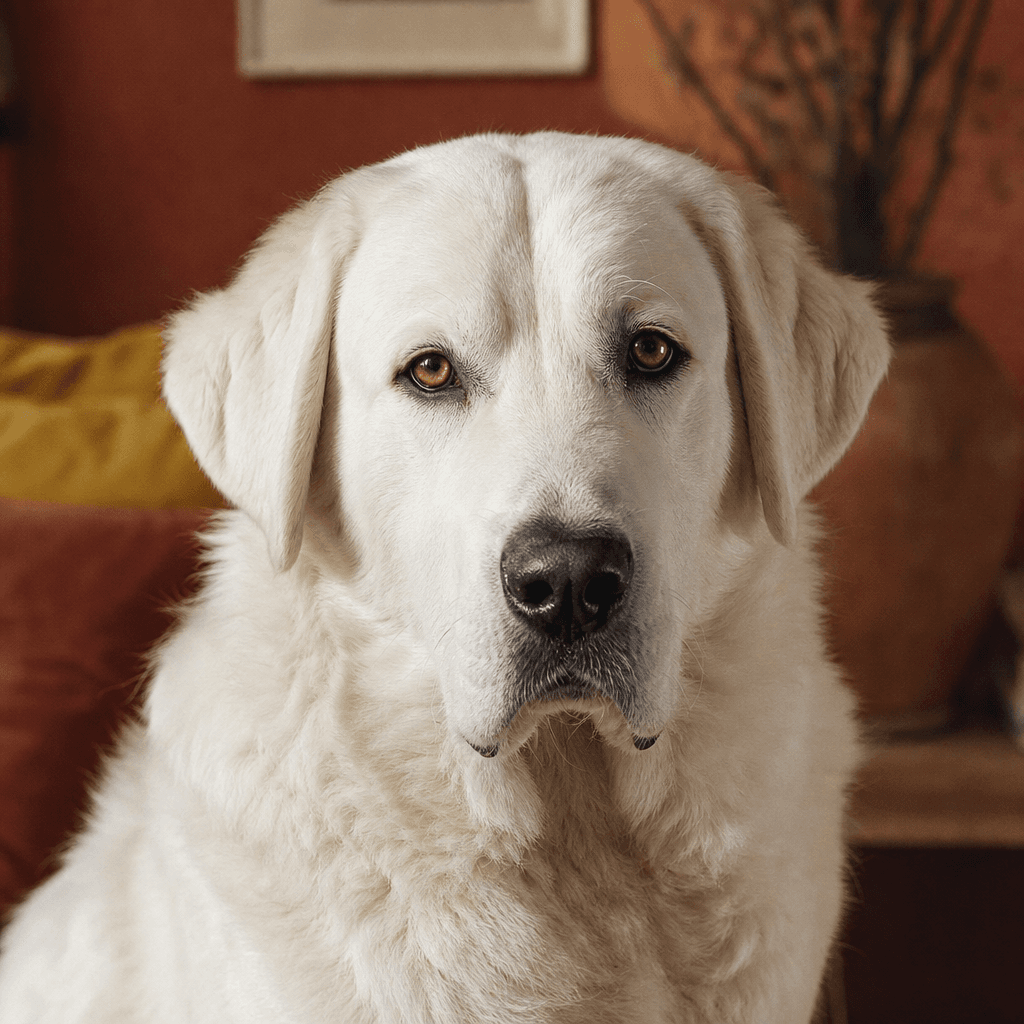
Is an Akbash right for you?
16 quick questions
Question 1of 16
How do your days actually run?
The ideal answer: Steady, quiet days with long, calm walks
Sun comes up, coffee steams, and a giant white shadow pads along beside you, satisfied by one or two unhurried 45–60 minute walks where sniffing and surveying matter more than miles. Back home, he posts up where he can watch a doorway or a fence line while you work or read. In the evening, a slow lap of the yard and a calm chew settle him. This is the rhythm these guardians understand.
The fit is strong—routine keeps his brain from inventing problems. The bite: nights. He’ll do low, thoughtful alarms at 1–3 a.m. if something rustles. You’ll coach a “thank you, place” routine and sometimes grab a robe. Keep a long line by the door, a place cot in view, and commit to 10 minutes of boundary drills daily. Next: add “place” to your evening wind‑down so it’s muscle memory when owls get chatty.
Question 2of 16
Where will this dog live most days?
The ideal answer: Rural property or small farm
Gate clicks, and he’s working before breakfast—nose to the breeze, eyes on the tree line, pacing fencelines like a metronome. Space plus a real job is where this dog exhales. You’ll still do a daily walk, but most of his steps happen patrolling and posting up where coyotes like to cut through.
The win comes with chores: check gates and fence lines weekly, mow back fence‑creep, and keep a weatherproof water source clear in winter. Expect night checks after odd noises; keep a headlamp and a long line by the mudroom. If this sounds like your Tuesday anyway, you’re in the sweet spot. Next up: map his first week’s supervised perimeter walks—twice daily, same route, so he learns the true edges.
Question 3of 16
How will you keep a 90–120 lb guardian home?
The ideal answer: 6 ft fence, dig guards, locked gates
He walks the fence like a security auditor, tests corners, then settles because nothing gives. Six feet, dig guards, self‑closing, lockable gates—this is how you sleep. Snow drifts and stacked firewood can make a 6 ft fence into a ladder, so keep climbables 3 ft off the line.
Budget and plan:
- Hardware cloth or dig guards: $200–$500
- Gate locks/closers: $60–$150
- Annual fence walk after storms and spring thaw
Rule of thumb: if a deer can vault it or a fox can dig it, an Akbash can puzzle it out.
With this setup, you train boundaries instead of constantly repairing them. Start day one with leashed perimeter laps twice daily for a week so the fence means “end of world,” not “puzzle to solve.”
Question 4of 16
How much barking can your world handle?
The ideal answer: Rural/remote — barking won’t bother anyone
Night falls, and the soundtrack is crickets, wind, and a baritone “woof… woof…” followed by long listens. Out here, that voice is a feature—coyotes think twice, and you drink your tea. You’ll still teach a “thank you” cue so alerts don’t spiral, but nobody’s calling the sheriff over a midnight check.
The catch: during pup adolescence (8–18 months), the volume knob sticks on “enthusiastic.” Stick to a rule—two alerts, then quiet on cue—and do 10 minutes of place training at dusk. Keep a white‑noise machine in bedrooms for humans who sleep light. It’s workable, and it’s honest to what this breed is.
Question 5of 16
What should your dog do when people arrive?
The ideal answer: Leash, place mat, slow intro — every time
Doorbell rings, leash clips on, and he goes to his place cot 10 ft back while you do the hello. Guests ignore him at first. When he softens—loose eyes, slow blink—you bring him in for a brief sniff, still leashed, then back to place with a chew. Every time. Boring is the point.
This is exactly the playbook for a guardian breed. The snag: family will try to “shortcut” in month two. Don’t. One rushed greeting can set you back weeks. Add a basket muzzle to your toolkit for crowded days so everyone relaxes. Put a spare mat by the door today and rehearse with a friend before you need it.
Question 6of 16
Be honest: what’s your background with independent breeds?
The ideal answer: I’ve handled livestock guardians or similarly independent dogs
You already speak “guardian”: low‑key rules, fair boundaries, no drilling sits into a dog bred to make his own calls. That buys you smoother adolescence and fewer standoffs. You’ll still invest in fence work, place training, and a visitor protocol, but you won’t be surprised when he questions nonsense.
The trap for pros is coasting—skipping the boring reps because you’ve done this before. Don’t. Do two 10‑minute sessions daily for the first month (place, recall to food, collar grabs). Book a prophylactic gastropexy consult at spay/neuter time now so you’re not Googling bloat at midnight later.
Question 7of 16
What are your off-leash hopes?
The ideal answer: Happy with fenced areas and long-line hikes
You keep him on a 30–50 ft long line in open spaces and use fenced fields for zoomies. He explores, you keep veto power, everyone gets home. That’s the recipe for a dog with a strong drift instinct and a job mindset.
Your must‑haves: a biothane long line, a sturdy back‑clip harness, and a pocket of high‑value food for recalls. Practice a hand target recall daily so you’re not yelling his name into the wind. This setup gives you freedom without betting a 100‑pound guardian’s safety on wishful thinking.
Question 8of 16
In plain terms: what will your Akbash guard?
The ideal answer: Livestock or poultry on fenced land
Sunrise headcount, fence check, quiet patrols—he slides into farm life like he’s reading a script. Poultry need hawk watch and patience; sheep and goats need a dog who’ll anchor, not chase. Supervise hard for the first 6–12 weeks, pen stock overnight at first, and tie feeding to calm behavior at gates.
Gear and costs:
- Hot wire on top/bottom of fence: $150–$400
- Weather‑safe waterers; heated in winter
- Night lighting on predator lanes
He’ll still want a human bond—walk the fenceline with him daily. That’s the glue that keeps him working for your place, not just any field.
Question 9of 16
Who’s in your home now (or soon)?
The ideal answer: Calm adults/teens; predictable routine
Predictable mornings, doors that don’t fly open, and people who can follow a script—this is gold for a guardian. He’ll learn who belongs where and park himself to watch hallways. Guests get a managed hello; weekdays hum without drama.
Don’t let calm become under‑stimulating. Slot in a daily job: perimeter walk at 7 a.m., place while you cook, scent work on Tuesdays and Thursdays. Write it on the fridge so everyone runs the same play. That’s how you keep a steady dog steady, even through adolescence.
Question 10of 16
On a typical weekday, how long would your dog be alone?
The ideal answer: Rarely alone or has access to a secure yard
He splits his day between shadowing you and patrolling a secure yard, napping where he can hear the world. That keeps his stress down and your house intact. You’ll still rotate in a stuffed Toppl or raw marrow bone at midday so his brain doesn’t invent hobbies like digging the cool corner of your herb bed.
The watch‑out is over‑attachment. Bake in independence: a daily hour where he settles away from you behind a baby gate, then rejoin. That small habit prevents the bark‑fest the first time you run a longer errand.
Question 11of 16
How do you feel about a big double coat?
The ideal answer: Weekly brushing; fine with heavy seasonal shed
Undercoat blows like a snow globe twice a year, and you’re fine turning the yard into a drift. Weekly brushing with an undercoat rake and slicker (15–20 min) keeps mats out of pants and tail. Baths are occasional—every 6–8 weeks or after a serious roll—but fully drying that coat matters.
Buy a high‑powered dryer if you can swing it, and clean ears monthly. The surprise for even prepared owners: the spring shed tsunami. Plan a 30‑minute session every other day for two weeks and park a shop‑vac by the back door. It’s a season, not a lifestyle.
Question 12of 16
What weather will your Akbash live in?
The ideal answer: Four seasons with shade/shelter and fresh water
Frost on whiskers in January, a shady nap in July—he handles it with shelter, unfrozen water, and a dry place to lie down. You’ll shift walks to the warmest sun in winter and to dawn/dusk in summer. Snow packs into feathering; keep a towel by the door and check paws for ice balls.
Heat is the only real gotcha. Over 75–80°F with humidity, keep it easy, shady, and wet: splash pans, cool mats, and short checks instead of long patrols. Build a summer plan now so he doesn’t try to work himself into heat stress.
Question 13of 16
An unexpected $1,200 vet bill plus big‑dog monthly costs would be…
The ideal answer: Covered — savings or insurance and a set budget
You spreadsheet the big‑dog life. Food runs $90–$150/month, preventives $20–$40, and you’ve got insurance ($60–$100/month) or savings ready for curveballs. A $1,200 bill is annoying, not catastrophic, and a gastropexy at spay/neuter ($900–$2,000) is on your radar.
The trap with a cushion is over‑spending on gimmicks. Put money where it matters: fencing, training, and an emergency fund. Call two local ER clinics today to confirm hours and wait times—future you will thank you at 11 p.m. on a Sunday.
Question 14of 16
Any restrictions on barking, size, or fencing where you live?
The ideal answer: Rural/no HOA; fencing and barking are fine
You set the rules, not a committee. That lets you build the fence he won’t beat, tolerate a few 2 a.m. alerts, and manage visitors without fines or letters. Your main job is being a good neighbor by choice: trim sightlines, pick up after dusk patrols, and teach a “quiet” you can cash in.
Use the freedom well—lock gates, post “Do Not Enter” signs on side yards, and brief delivery folks. A little courtesy now buys you goodwill when the night chorus starts.
Question 15of 16
What are your plans for dog-to-dog play?
The ideal answer: Skip parks; prefer calm walks and known dog friends
You skip the chaos buffet and choose calm walks, sniffing, and known dog friends in fenced yards. Fewer scuffles, fewer germs, and a guardian who learns neutrality instead of refereeing strangers.
Trade the dog‑park hour for 15 minutes of scent work (scatter kibble in grass, hide treats in boxes) and a steady 45‑minute walk. That scratches brain and body without rolling dice on a bad interaction.
Question 16of 16
Comfort level with large-breed preventive care?
The ideal answer: I’m on board: screenings, slow-feeds, bloat plan
You’ve got the big‑dog checklist ready: slow, split meals, rest after eating, know the nearest ER, and plan a gastropexy at spay/neuter to hedge against bloat. You’ll keep him lean to protect hips and elbows, and you’re fine with baseline labs and annual orthopedic checks.
Don’t skip the boring bits: nail trims every 2–3 weeks (giant nails crack), tick prevention, and a bloat drill on the fridge—restless, distended abdomen, unproductive retching means car now, call on the way. That calm plan is what saves dogs.
Your result
Answer the 16 questions above and your match score appears here.