Akita Match Quiz
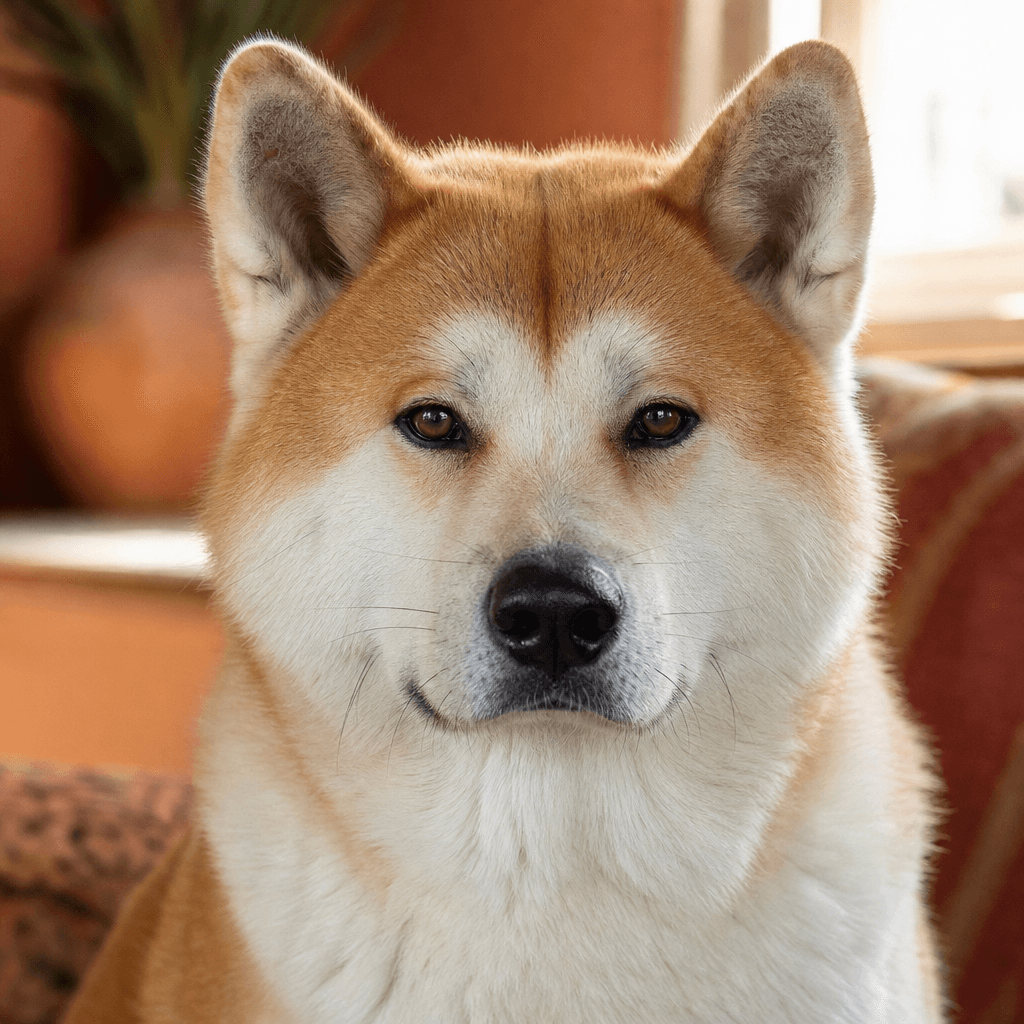
Is an Akita right for you?
14 quick questions
Question 1of 14
How much purposeful exercise can you commit to?
The ideal answer: 60–90 minutes of structured walks and training daily
Boots on, leash clipped, and you’re out the door twice a day. A brisk 30–40 minutes in the morning with heelwork, sits at curbs, and a few 3–5 minute training bursts; then another 30–40 minutes in the evening with pattern games, place work at benches, and calm decompression. This level of structure keeps an Akita’s brain settled and their body satisfied. You’ll notice fewer door-stares and less pacing at 8 p.m. because you already cashed that check.
On foul‑weather days, you still roll reps: 10 minutes of impulse control, 10 of scent games (scatter kibble, hide-and-seek with a glove), and a 15‑minute leash walk. Skip two days, and stubbornness creeps in—selective hearing, slow sits, pushy greetings. Keep a pocket of pea‑sized treats, rotate routes to avoid rehearsing the same triggers, and cap high‑arousal play quickly.
Next step: plan a weekly rhythm. Mon/Wed/Fri include 10 minutes of obedience on the walk; Tue/Thu add a short driveway recall drill on a long line.
Question 2of 14
Describe your home and yard setup.
The ideal answer: House with a 6‑ft secure fence and locked gates
You slide the latch, check the gate lock, and your big shadow trots out to patrol the perimeter like it’s a part‑time job. With a solid 6‑foot fence, you control the neighborhood drama—no “I’m friendly!” dogs barreling in, no escape attempts when a deer hops by. You can do decompression laps after work, then leash up for training without starting from chaos.
Don’t mistake “yard” for exercise; it’s a bonus, not the plan. Rotate what’s out there: heavy rubber ball (supervised), a raised cot for place work, a sniffy corner you reseed with treats. Check fence lines monthly; these dogs are quiet problem‑solvers and can exploit a wobbly panel. Add double‑gate etiquette for delivery days.
Walk the boundary tonight, tighten any loose pickets, and hang a lock on the gate the landscaper uses.
Question 3of 14
Which best describes your dog experience?
The ideal answer: I’ve owned/handled guardian or northern breeds confidently
You’ve lived with a dog who stares through you like a chess opponent. That pays off here. You’ll set rules once, enforce them quietly, and ignore the theatrics. Consistency beats volume with an Akita. You know not to drill recalls off‑leash in distractions, and you won’t bargain when the doorbell rings.
The trap for experienced folks is getting casual. These dogs are polite until they aren’t. Month two, you loosen structure, and suddenly the couch becomes a hill to defend. Keep your routines: crate when guests arrive, leashed hellos, and no roughhousing from the sofa. Budget for health screenings you already know matter—hips, thyroid, knees—and keep nails short for traction on tile.
Book an advanced obedience class that allows space between dogs; use it to sharpen neutrality, not to make friends.
Question 4of 14
When a dog pushes back, you…
The ideal answer: Stay calm, use rewards, and tighten structure
You keep your voice even, reward the reps you like, and tighten the rules when the dog experiments. That’s how you win with this breed. Calm, reward‑based training plus clear boundaries turns a stubborn negotiator into a steady roommate. Place before greeting guests, food for eye contact under pressure, and a leash on indoors during the teenage phase.
The bite comes when you forget structure once they’re “good.” Two weeks of freedom and they’ll start re‑assigning jobs—guarding doorways, policing dog traffic. Keep a written house protocol and stick to it. Use equipment that supports you: 6‑foot leash, well‑fitted martingale or flat plus a front‑clip harness, and a 20–30 ft long line for controlled freedom.
Set one rule today: no doorway exits without permission. Enforce it every single time for seven days.
Question 5of 14
How social do you want your dog with visitors?
The ideal answer: I’ll manage intros and park the dog behind a gate if needed
Doorbell rings, you leash up, park behind a baby gate, and let everyone settle before any sniff happens—if it happens at all. That’s the game. You protect your dog from bad intros and your guests from over‑enthusiasm or suspicion. With this breed, neutrality beats friendliness.
You’ll keep greetings short and scripted: guest ignores, you reward calm, then either back to place or a quiet coexistence in the room. If a friend brings a dog, you don’t. Full stop. Crate‑n‑rotate is not failure—it’s professionalism. The friction is guests who want to “win him over.” You’ll practice saying, “Please don’t engage; he relaxes faster this way.”
Stage two mock visits this week with a trusted friend and rehearse the whole sequence, from knock to goodbye.
Question 6of 14
What’s your current pack?
The ideal answer: No other dogs — this will be my only dog
Your house, your rules, and no politics between canines. That’s the sweet spot. Most Akitas prefer being the solo act, soaking up your time without refereeing another dog’s choices. Mealtimes are simple, toys aren’t trophies, and you won’t be scanning body language at 10 p.m. wondering who blinked first.
Use the freedom to polish manners: calm leash work, rock‑solid place, and quiet guest routines. You can still offer dog neutrality via parallel walks at a distance, but you skip the risk of same‑sex squabbles or resource guarding spirals at home. If you later add a dog, plan slow intros over weeks and pick temperament over looks.
Set up a cozy crate now so alone time feels normal, not a punishment when guests come over.
Question 7of 14
Any cats, rabbits, or backyard chickens?
The ideal answer: No cats or small pets
You won’t be negotiating with a prey drive in your living room, which keeps life simpler. Akitas often see quick, small animals as something to control or chase, so no rabbits or chickens under the same roof is a gift to everyone. You focus on calm house routines instead of baby‑gating a cat highway.
Still, expect outdoor interest in squirrels and neighborhood cats. Use a secure fence and a 20–30 ft long line for hikes so curiosity doesn’t turn into sprinting. Practice “leave it” with tossed kibble now, not when a bird flutters at your feet later.
Tonight, stock a couple of stuffed Kongs—better to channel hunty energy into chewing than scanning windows.
Question 8of 14
Your off‑leash expectations are…
The ideal answer: Leash/long line unless in a secure fenced area
You clip the leash like it’s your seatbelt and save free time for truly fenced spaces. That’s the right mindset. This breed’s recall is solid—until the deer, the jogger, or the off‑leash dog makes a bad decision. Long lines give freedom without gambling.
Your routine: 6‑foot leash in neighborhoods, 20–30 ft biothane long line for open fields, and a secure field rental once a week for a real romp. You’ll practice recalls to food and toys but treat them as insurance, not a license. Fewer heart‑in‑throat moments, fewer bad encounters.
Order a 30‑ft long line tonight and mark three fenced fields or tennis courts you can legitimately rent or use.
Question 9of 14
How do you feel about a double coat that “blows” twice a year?
The ideal answer: I’m fine with weekly brushing and lots of fur for a few weeks
You’ll brush weekly most of the year—10–15 minutes with a slicker and a metal comb—and then twice a year the undercoat lets go like a snowstorm. “Blow” week looks like tumbleweeds in corners and fur on your toothbrush. Daily 10‑minute sessions with a high‑velocity dryer (outside) shorten the madness.
Skip shaving; it ruins the coat. Instead, stock: a good vacuum with a hose, a rubber curry for baths, and a dryer if you can swing it. Plan a trash bag per session during peak shed. Bath only when they’re actually dirty; clean coat blows easier.
Set a reminder before the seasons flip: three nights in a row of brush‑and‑blow, then one big sweep of the house.
Question 10of 14
Your climate is…
The ideal answer: Cool to cold winters, mild summers
Frost on the grass, puff of breath in the air, and a dog that moves like the weather was made for them. Cool to cold winters and mild summers are the comfort zone. You’ll get crisp, happy walks and an easier time keeping exercise up year‑round.
Don’t get cocky in spring; warm snaps still matter. Watch for heavy panting and slow recovery over 65–70°F, and keep midday walks short. Summer setup: shade, fresh water, and indoor naps on cool floors.
Add a brushed‑steel water bowl outside and start conditioning to a cooling mat before summer turns up.
Question 11of 14
On a typical weekday, your dog would be alone…
The ideal answer: About 4–6 hours, with a walk and enrichment
Keys down at lunch, food puzzle out, and a steady nap cycle until you’re home. 4–6 hours solo with enrichment is right in range. You’ll crate or confine to a dog‑proof room, leave a stuffed Kong, and cue some white noise. Midday, a brisk 10–15 minute potty and sniff is plenty.
The snag shows if weekends are chaos and weekdays are strict—consistency matters. Keep the routine predictable: same exit cue, same handoff to the crate, same calm return. If you see pacing on the camera, you trimmed exercise or enriched too late.
Prep three frozen Kongs on Sunday and set a timer to end morning play 20 minutes before you leave.
Question 12of 14
If you faced a $1,500 surgery or emergency, it would be…
The ideal answer: Covered — savings and/or pet insurance in place
You’ve got the safety net, which matters with a large breed. Cruciates, bloat, and autoimmune quirks can get expensive. With savings or insurance, you make decisions based on health, not panic. Aim for a plan that covers illness, accidents, and hereditary issues with a $250–$500 deductible.
You’ll still budget for basics: $60–$100/month on quality food, $300–$500/year on preventives, and the occasional $150–$250 specialist consult. Keep a bloat plan on the fridge—know the nearest 24/7 ER and the signs.
If you don’t have it yet, enroll in insurance before any issues pop up; pre‑existing clauses are real.
Question 13of 14
Any breed restrictions where you live?
The ideal answer: No restrictions — I own or have written approval
No guessing games with landlords or HOAs—you’re in the clear. That saves you from the heartbreak of “return the dog or move” ultimatums that hit guardian breeds more than most. Keep written proof handy; staff changes and memories are short.
You’ll still mind insurance; some carriers quietly restrict certain breeds. Call and confirm coverage before day one. When you renew leases or policies, re‑attach your approval letter. If you travel with your dog, check hotel fine print in advance—policies vary wildly.
Scan your paperwork tonight and save it in a shared folder named “Dog Approvals + Insurance.”
Question 14of 14
Your plan for dog‑dog social time?
The ideal answer: Skip parks; do structured walks/classes instead
You trade chaos for skills. Structured walks, class environments with space, and controlled neutrality keep an Akita steady. You’ll get loose‑leash walking past lungers, quiet sits at benches, and a dog that ignores a ball skittering by instead of policing it.
Your calendar looks like this: one group class per week that doesn’t allow on‑leash mingling, two neighborhood training walks, and one fenced field rental for a solo romp. You’ll keep social time to humans you choose, not dogs you can’t predict.
Find a trainer who teaches “proximity without play” classes and book a drop‑in this month.
Your result
Answer the 14 questions above and your match score appears here.