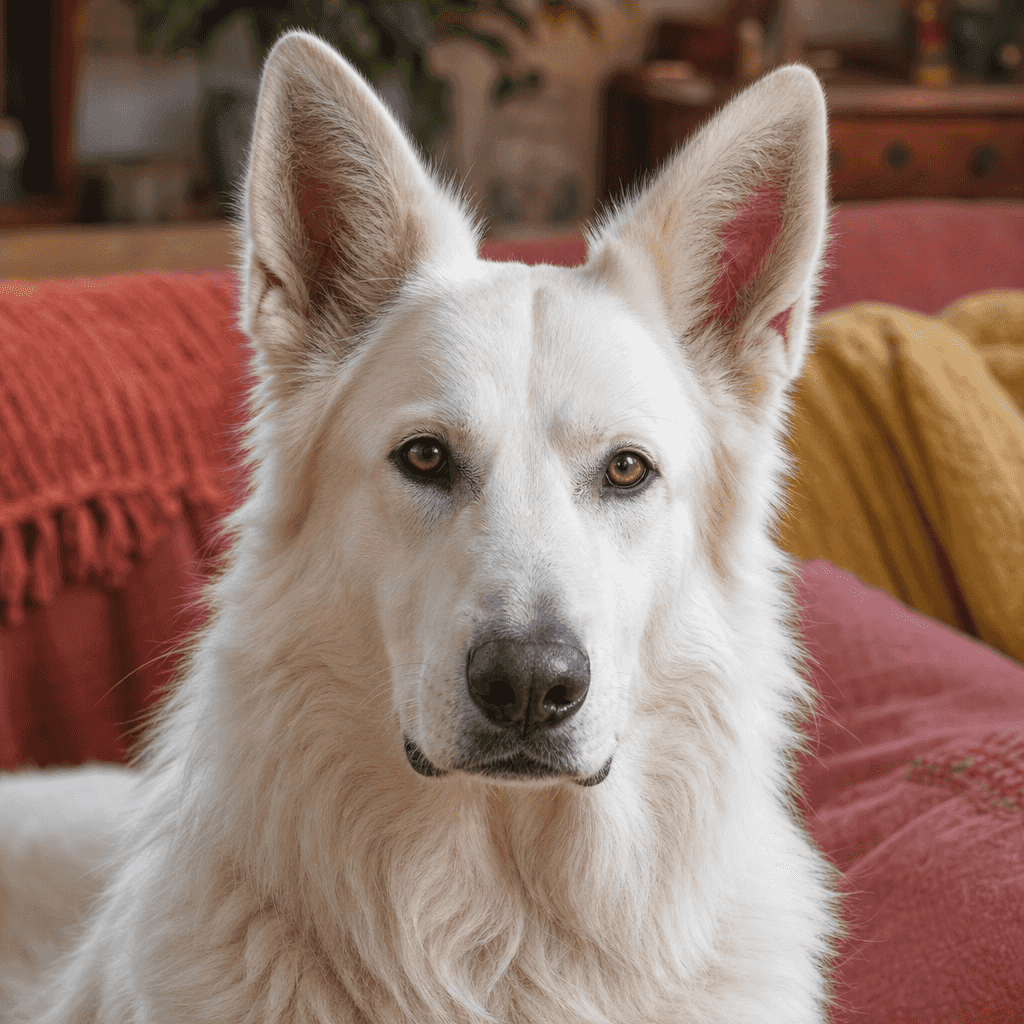
Africanis Match Quiz
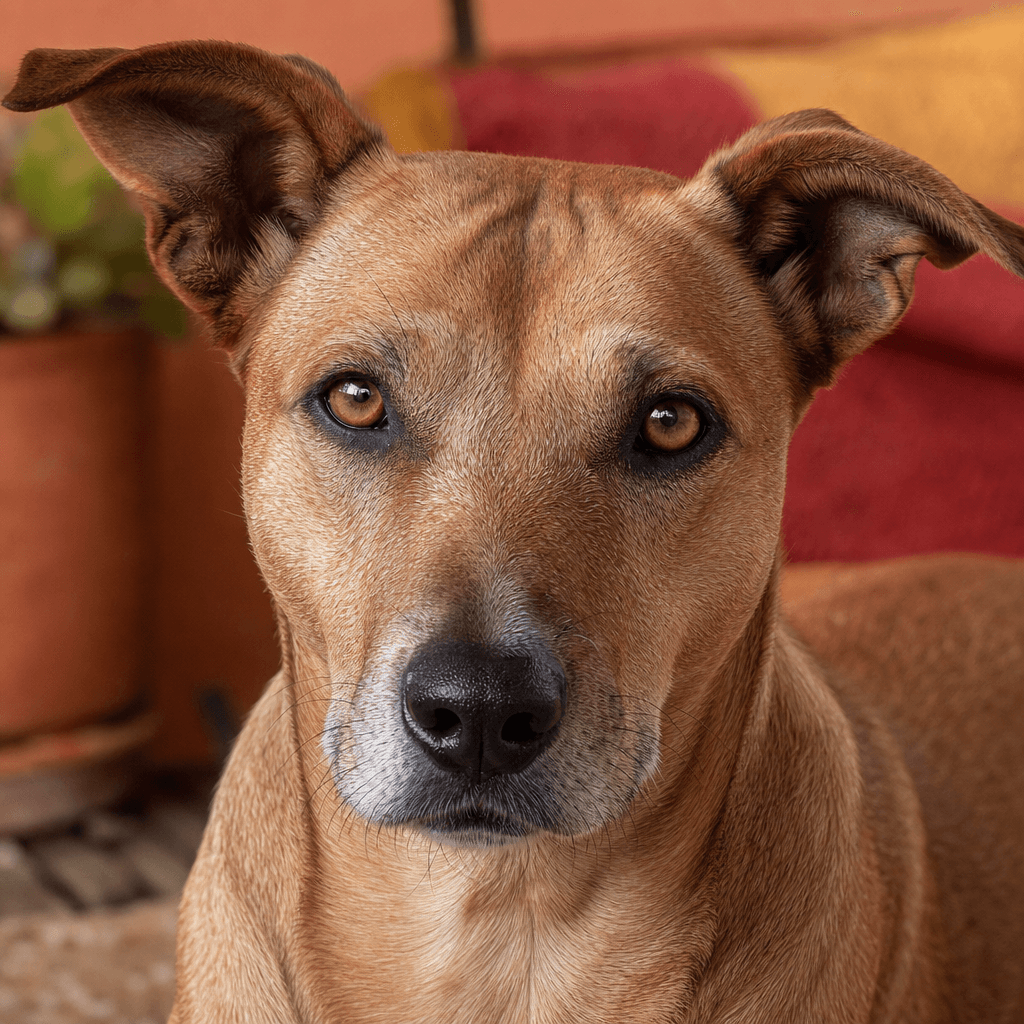
Is an Africanis right for you?
15 quick questions
Question 1of 15
How much purposeful exercise will you provide most days?
The ideal answer: 90+ minutes — runs, hikes, or vigorous play
Great choice. Committing to 90+ minutes most days lines up with an Africanis’ endurance and working-dog brain. These dogs are built for distance and variety, so think two sessions: a morning run or fast hike (45–60 minutes) and late-day vigorous play or scentwork (30–45 minutes). Add 10–15 minutes of brain work (patterned sniffing games, place training, puzzle feeders) to actually take the edge off.
Plan on a mix through the week to prevent overuse injuries: trail runs of 5–8 km, hill hikes with a weighted backpack for you (not the dog), flirt-pole sprints in intervals (6–8 x 20–30 seconds), and recovery walks on “easy” days. A yard is not a substitute for real exercise. Budget for durable gear: a well-fitted running harness ($35–$70), hands‑free leash ($25–$45), long line (10–15 m, $20–$35), and year‑round flea/tick prevention ($15–$30/month), especially if you’re on trails.
Rule of thumb: if the dog can still race laps at home after your outing, it wasn’t enough mental work.
Sample week:
| Day | AM | PM |
|---|---|---|
| Mon | 45 min brisk run + 5 min drills | 30 min sniff walk + 10 min shaping |
| Tue | 60 min hike | 20 min flirt pole intervals + 10 min settle |
| Wed | 45 min recovery walk | 20 min scent puzzles |
| Thu | 50 min trail run | 25 min fetch with downs between reps |
| Fri | 45 min urban walk + stairs | 15 min nosework + 10 min massage |
| Sat | 2–3 hr hike/adventure | Light evening potty stroll |
| Sun | Easy 40 min walk | 15 min training review |
Question 2of 15
Where will an Africanis spend most of its time?
The ideal answer: House with a secure yard
A secure yard is a strong fit. Africanis dogs love to patrol and sunbathe, but yard time should supplement, not replace, real outings. Aim for daily purposeful exercise plus 2–3 short yard play sessions. Think containment first: many Africanis can jump, climb, or dig when bored.
Plan for a 5–6 ft fence with tight gaps, latchable gates, and a dig barrier (gravel strip or buried wire). Add shade, fresh water, and a quiet rest zone. Budget wise, fencing upgrades can run $2,000–$6,000 depending on size. Yard enrichment helps: a flirt pole, anchored tug, and a rotating scent line (hide kibble/teabags) to keep their brain busy between walks.
Question 3of 15
What’s your honest training style?
The ideal answer: Patient, positive reinforcement with structure
Perfect. Africanis dogs are quick studies but can shut down with harsh handling. Reward‑based training with clear structure (boundaries, routines, calm handling) gets you reliable behavior without creating defensiveness.
Work short and frequent: 5–10 minute sessions, 2–3 times/day. Prioritize name response, hand‑target, settle on a mat, impulse control at doors, and long‑line recall. Early, thoughtful socialization (people, surfaces, sounds) pays off. Expect to invest in a good class ($150–$250 for 6–8 weeks) and a long line, treat pouch, and place cot (~$80 total).
Question 4of 15
How people-y is your household?
The ideal answer: Quiet home, occasional guests, slow introductions
Great. A quieter home with thoughtful introductions suits the Africanis, which tends to be reserved but loyal. Slow, planned greetings—on leash or behind a gate at first—help them decide guests are safe.
Set up a safe retreat (crate/bed in a low‑traffic room), coach guests to ignore until invited, and reward calm observation. Delivery management helps: a closed door, parked mat behavior, and signage if needed (“Dog in training—please don’t greet”). Expect a brief alert bark, then settle with practice.
Question 5of 15
What other animals share your space?
The ideal answer: No cats or small pets
That’s wise. Many Africanis have a notable prey drive. Removing daily temptation makes life calmer for everyone. You’ll still want a solid fence and leashed walks where squirrels and cats are common.
Use a rock‑solid “leave it,” and expect to manage wildlife interest on hikes. Long lines (10–15 m) keep things safe while giving room to sniff and explore.
Question 6of 15
Your plan for canine social time?
The ideal answer: Leashed walks and a few known dog friends
Excellent plan. Africanis dogs are often polite but selective with other dogs. Controlled, predictable social time—parallel walks, known playmates, and decompression hikes—beats big chaotic groups every time.
Keep intros on neutral ground, use 6–8 ft leashes (not flexis), and watch for pressure releases (shake‑offs, sniff breaks). Aim for a few steady friends rather than collecting acquaintances. If tension rises, do a short reset walk side‑by‑side.
Question 7of 15
What’s the kid situation at home?
The ideal answer: Adults only or kids 8+ who follow rules
Nice fit. With adults or rule‑following kids 8+, an Africanis can be a steady family dog. Clear household rules—no hugging, no disturbing on the bed, and trading for toys—keep trust strong.
Teach the kids to spot “I need space” signals (lip licks, turning away) and reward the dog for choosing a mat during busy times. A family training session ($100–$200) to align everyone’s handling pays for itself fast.
Question 8of 15
On a typical weekday, your dog would be alone…
The ideal answer: Rarely — someone is usually home
Great—company suits this breed. Africanis bond closely and do best when part of daily life. Still teach independence: short, boring absences with a stuffed Kong so your presence doesn’t become a crutch.
By adulthood, many can handle 3–5 hours alone if their exercise and enrichment needs are met. Rotate puzzle feeders and chews, and use a camera to spot early signs of separation issues so you can intervene early.
Question 9of 15
How do weekly grooming chores sound?
The ideal answer: Easy — weekly brush, nails, tick check
Perfect. A short coat doesn’t mean zero work, but it’s simple. Plan 10 minutes once a week with a rubber curry or grooming glove to lift shed hair and check skin. Trim nails every 2–3 weeks, brush teeth or use dental chews, and do a thorough tick/flea check after hikes.
Bathe only when dirty (every 1–3 months) with a gentle shampoo. Keep parasite prevention current ($15–$30/month). Quick ear checks and a wipe if dusty help prevent irritation, especially after windy outings.
Question 10of 15
Describe your local climate and indoor setup.
The ideal answer: Warm to hot; home is well-ventilated or air-conditioned
Nice—Africanis are heat‑tolerant compared to many breeds, but they still need smart management. Avoid hard efforts in peak heat; do runs before 9 a.m. or after sunset, carry water, and provide shade and airflow at home.
Watch for overheating (heavy panting, glassy eyes, slowing). Use cooling mats, fresh water at all times, and year‑round flea/tick control if you’re in a buggy area. Hot pavement can burn—test with your palm and reroute if needed.
Question 11of 15
How secure is your outdoor setup?
The ideal answer: 6-foot solid or no-climb fence; gates latched
Excellent. A 6‑ft solid or no‑climb fence with latched gates matches an Africanis’ athleticism. Plan for dig prevention (buried wire or pavers along the base) and consider a double‑gate if you host deliveries.
Do a weekly fence walk to spot gaps, and keep bushes trimmed—some dogs use them as launch pads. Expect to invest $2,000–$6,000 depending on yard size and materials; it’s money well spent on safety.
Question 12of 15
How will you handle recall and free running?
The ideal answer: Long-line training, fenced fields, and selective off-leash
Smart plan. Africanis recall can be good with work, but they’re independent thinkers. Use long‑line training, fenced fields, and selective off‑leash only after months of proofing around wildlife and distractions.
Train a whistle recall with high‑value pay, practice 3–5 reps per walk, and release back to sniffing so coming when called isn’t the end of fun. Expect 3–6 months of consistent reps before trying limited freedom in safe areas.
Question 13of 15
How much alert barking can your home and neighbors tolerate?
The ideal answer: A bit of alert barking is fine here
That’s a fit. Africanis are natural watchdogs and will give a few alert barks. Teach an “enough/thank you” cue and pay for quiet so they learn to switch off.
Manage triggers: privacy film on fence lines, closed blinds at night, and white noise indoors. Meet their exercise and sniffing needs to prevent boredom barking from starting in the first place.
Question 14of 15
An unexpected $800–$1,200 vet bill would be…
The ideal answer: Covered — savings or pet insurance in place
Great. Having savings or insurance matches the realities of a medium‑large, active dog. Plan for routine plus the unexpected. Annual basics (exam, vaccines, preventives) often run $300–$700; food typically $40–$90/month depending on quality and size.
Pet insurance is commonly $30–$60/month and can turn a scary $1,200 GI emergency into a manageable deductible. Keep $500–$1,000 liquid for incidentals (stitches, diagnostics) and you’ll sleep easier.
Question 15of 15
At heart, you’re hoping for a dog that is…
The ideal answer: An athletic adventure buddy who keeps an eye on the house
Spot on. An Africanis shines as an athletic adventure buddy with a sensible watchdog streak. Expect a dog ready for hikes, runs, and camping, plus calm house manners when needs are met.
Plan a weekly rhythm: 5–6 active days, 1 easy day, with longer weekend outings. They’ll naturally keep an eye on home and yard, but invest in training a reliable settle, polite greetings, and quiet on cue. Travel gear to budget: crash‑tested car crate or seatbelt harness ($80–$400), tick kit, reflective collar, and a long line for new trails.
Your result
Answer the 15 questions above and your match score appears here.