Affenpinscher Match Quiz
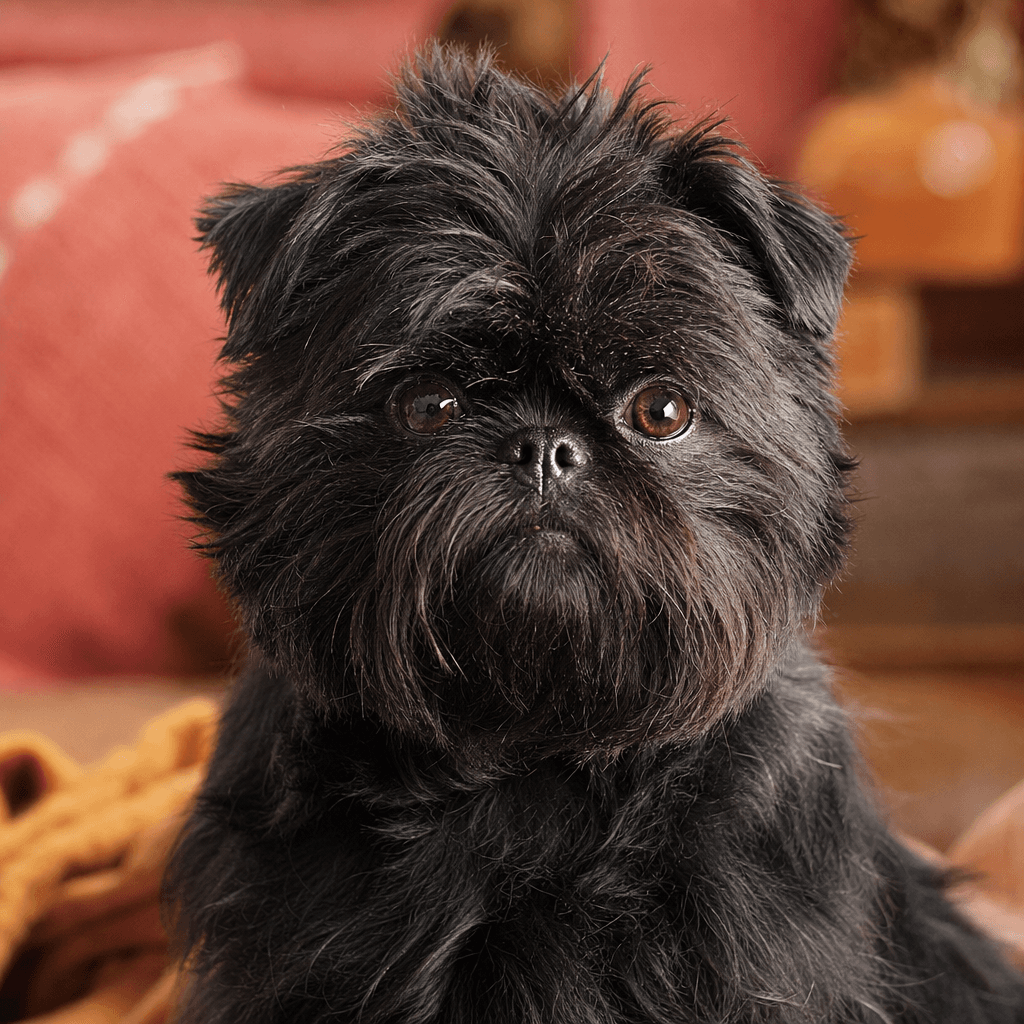
Is an Affenpinscher right for you?
14 quick questions
Question 1of 14
How active is a normal day for you?
The ideal answer: Short walks and indoor play most days
The leash hangs by the door, but you’re not lacing up for a 10K. Twenty minutes around the block, a sniff of every lamppost, and back home for a goofy bout of tug — that’s the rhythm. On rainy days, a flirt pole in the living room and two short potty loops are plenty. Your little bearded shadow then folds into a nap under your desk like it’s a job.
This is the sweet spot for an Affen: 2–3 short walks (10–20 minutes each) plus indoor play. They burn hot and quick, then crash. Month two is when boredom barking can creep in if walks get skipped and toys get stale. Rotate two puzzle feeders, keep a stash of chewables, and put “hide-and-seek” on the calendar.
Rule of thumb: if you can’t name what they’re doing for 30 engaged minutes today, you’ll hear about it at 7 p.m.
Swap one walk a day for a hallway fetch session on bad-weather weeks, and you’re right on track.
Question 2of 14
What’s home base?
The ideal answer: An apartment or condo
The elevator doors open and a mustached face peeks out from your arms like royalty. This setup shines: quick potty breaks, watchful windows, and a lap within six paces at all times. Three elevator rides a day and two 10–15 minute sidewalk loops cover the needs, with a snuffle mat taking the edge off the midday zooms.
The rub is noise. Affenpinschers are alert; hallway footfalls and parcel drops are “announcements.” Start day one with a white-noise machine by the door, reward quiet as people pass, and park the bed away from the entry so they’re not on duty 24/7.
Keep a small cleanup kit by the door, know your building’s pet rules, and you’ll both settle into a tidy city routine.
Question 3of 14
That wiry coat needs upkeep — where are you on grooming?
The ideal answer: I’ll brush weekly and learn hand-stripping or see a pro regularly
You roll up your sleeves, pop a podcast on, and that scruffy outline sharpens as loose coat comes away. Weekly brushing (10 minutes) and hand-stripping every 6–8 weeks keeps the texture harsh, the color rich, and the shedding minimal. The face needs tidying; eyes stay clear when you comb the mustache and wipe daily.
If you go pro, book a groomer who strips, not just clips. Expect $90–160 per session for a small hand-strip, with quick tidy-ups in between. Clipping softens the coat and can mat faster — not the end of the world, but you’ll brush more.
Add nails every 2–3 weeks and daily dental care. Put tools in a caddy: coarse slicker, stripping knife/stone, comb, styptic, dog toothpaste. Your future self — and your couch — will thank you.
Question 4of 14
Hair and dander tolerance check:
The ideal answer: A little hair is fine; I’ll manage with cleaning
You’ll find the occasional wiry hair on a sweater, but not tumbleweeds. With weekly brushing and regular hand-stripping, most of the loose coat exits on your terms, not your sofa. A lint roller by the door and a quick vacuum pass where the dog naps will keep things civilized.
Allergies are personal, though. There’s no truly hypoallergenic dog, and Affens carry dander and saliva like any other. If you’re sneezy, wash hands after play and keep the bedroom dog-free.
Action today: pick up a rubber curry brush and run it over the coat for two minutes after the evening walk. You’ll notice the difference on your black pants.
Question 5of 14
How do you like to teach manners and tricks?
The ideal answer: Short, positive sessions and lots of rewards
You keep sessions short and silly, pay with chicken, and quit while you’re both winning. That’s the Affen sweet spot. Five minutes, 2–3 times a day turns that mischievous brain into party tricks and polite defaults.
Pushy methods backfire here; these little comedians shut down or sass back. With rewards, you’ll house-train faster, curb alarm barking, and build a rock-solid recall indoors. Use real-life paychecks: open the door only when all four feet are on the mat, treats for quiet as the elevator dings, leash on for offering sit.
Enroll in a manners class that welcomes toy breeds, bring pea-sized treats, and keep it fun. The progress sneaks up on you.
Question 6of 14
Which best describes kids around your dog?
The ideal answer: Adults only or teens who ‘get it’
Shoes get put away, doors get latched, and everyone reads a face. In a home of adults and dog-savvy teens, this little imp shines — funny, velcro, and game for tricks. You can guard tiny legs on stairs and keep roughhousing off the menu without being the bad cop.
The honest catch: friends visit with younger kids sometimes. Set house rules now: dog on a bed behind a gate when little ones arrive, no grabbing beards, no carrying the dog around. Keep high-value chews for the quiet zone so no one tests boundaries in the middle of a movie.
Teach a couple of party tricks — spin, paw — and you’ll get laughs without chaos.
Question 7of 14
On a typical weekday, your Affen would be alone for…
The ideal answer: Rarely — someone’s usually home
There’s always a human in the picture — a home office, a roommate on shifts, a retiree with a crossword. For a companion breed that glues itself to your ankles, this is gold. You’ll see fewer stress behaviors, faster house training, and a quieter dog by default.
Guard against the flip side: overattachment. Build tiny independence on purpose — food puzzles in a pen, short solo naps, you leaving for 5–10 minutes daily — so a future day of errands doesn’t feel like abandonment.
Pick a place for their bed where they can see you but not touch you. Start there today.
Question 8of 14
Who else shares your space?
The ideal answer: A cat and/or social, dog-friendly dogs
A confident cat swishes by, and your scruffy sidekick wags instead of winds up. With the right introductions, Affens often do well with cats and truly social dogs, especially if size and energy are balanced. Think parallel walks, baby gates, and slow access, not a meet-and-greet fireworks show.
Guard the flashpoints: food bowls, laps, and door greetings. Feed in separate zones and teach both animals a station cue. If your other dog is chill, you’ll have a comic duo; if they’re rude, your Affen learns to argue back.
Plan a one-week intro protocol and keep leashes on indoors for the first day. It’s boring — and it prevents the first bad memory.
Question 9of 14
Your local climate is…
The ideal answer: Mostly mild, four seasons but not extreme
Spring sniffs, crisp fall loops, and shaded summer sidewalks — that’s easy mode. Short coat + short muzzle pairs well with mild seasons, and your routine can hum along: two short walks a day, training indoors when it pours.
Still, plan for outliers. Heat spikes mean early or late walks only, and icy days need paw balm and short potty breaks. Keep a lightweight rain jacket by the door so the beard doesn’t turn into a mop and sour their mood.
Set weather alerts on your phone; move the big sniff-walk to the best slice of the day.
Question 10of 14
Be honest about barking tolerance:
The ideal answer: Detached home or relaxed neighbors
A delivery thump, a single “woof,” and… silence. In a detached home or with easygoing neighbors, you can train calm without feeling like the building is listening. Reward quiet at windows, park a white-noise machine by the door, and give them a job — bed when the kettle boils, sit for the leash.
They are alert by nature, so the goal isn’t mute; it’s fast off-switch. Rehearse it daily with staged knocks. Five treats for silence beats one yell of “No” every time.
Post a note on the door for couriers to skip extra knocks. You’ll cut half your triggers overnight.
Question 11of 14
What are your off-leash expectations?
The ideal answer: Leash walks and secure, fenced areas only
Clipped in on sidewalks, zoomies in a secure field — that’s the blueprint. Toy dog + prey curiosity + selective hearing makes unfenced freedom a gamble, and you’re not making your love letter to crows part of the recall plan.
Lean into long lines (15–20 feet) for extra sniff-freedom, and use fenced courts, tennis courts off-hours (where legal), or small-dog hours at reputable daycares for sprints. You’ll keep the monkey safe from open gates, big-dog collisions, and their own chase brain.
Order a biothane long line today; it turns walks into adventures without the “oh no” moments.
Question 12of 14
How often do you want your dog to come along?
The ideal answer: Often — cafes, errands, weekend trips
Tiny body, big social calendar. A booster seat clips into the back seat, you grab a roll-up mat, and your mustached sidekick works cafés like a pro. Consistent car safety (harness or crate), settle-on-a-mat training, and polite greetings turn “bring the dog” from chaos to default.
Pack a go-bag: collapsible bowl, chews, wipes for the beard, vaccine screenshot on your phone. Many hotels charge $25–75/night pet fees; budget it and request ground floors to dodge elevators.
Start “mat equals chill” at home this week for 3 minutes after meals. That skill buys you brunch.
Question 13of 14
An unexpected $800 bill would be…
The ideal answer: Covered — savings or pet insurance in place
When surprises hit — a tooth extraction, an eye injury from an enthusiastic bush — you’ve got runway. Pair that cushion with pet insurance ($30–50/month) or a sinking fund and you’ll say yes to care without the 2 a.m. math.
Specific to this breed, plan for teeth: professional cleanings can run $400–900, sometimes with extractions. Add grooming to the ledger and you’re not blindsided by normal life.
Open a dedicated pet account and automate $40–60/month even if you carry insurance. Future emergencies turn into annoyances.
Question 14of 14
What kind of fun are you hoping to share?
The ideal answer: Short daily walks plus tricks, puzzles, and play
Breakfast comes by puzzle, the noon break is a five-minute trick spree, and the evening walk is short but sniff-heavy. This is exactly how you tire an Affen: brains first, body second. Teach silly stuff — spin, crawl, perch on a stool — and you’ll watch the mischief turn into showmanship.
Two tools go far: a snuffle mat and a 20-foot long line for decompression walks. Rotate toys weekly to keep novelty high and barking low.
Pick one trick today and slice it thin. Five cookies, three reps, done. You’ll both want more tomorrow.
Your result
Answer the 14 questions above and your match score appears here.