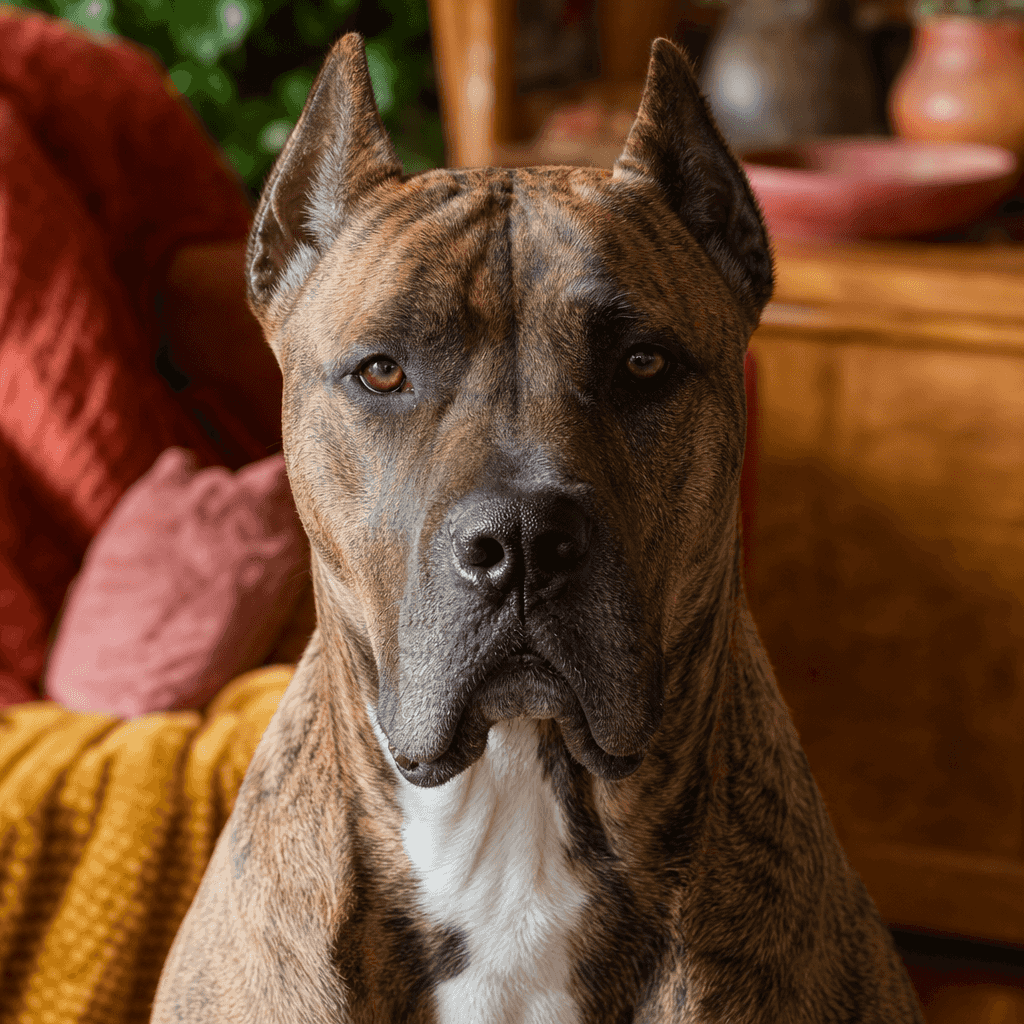
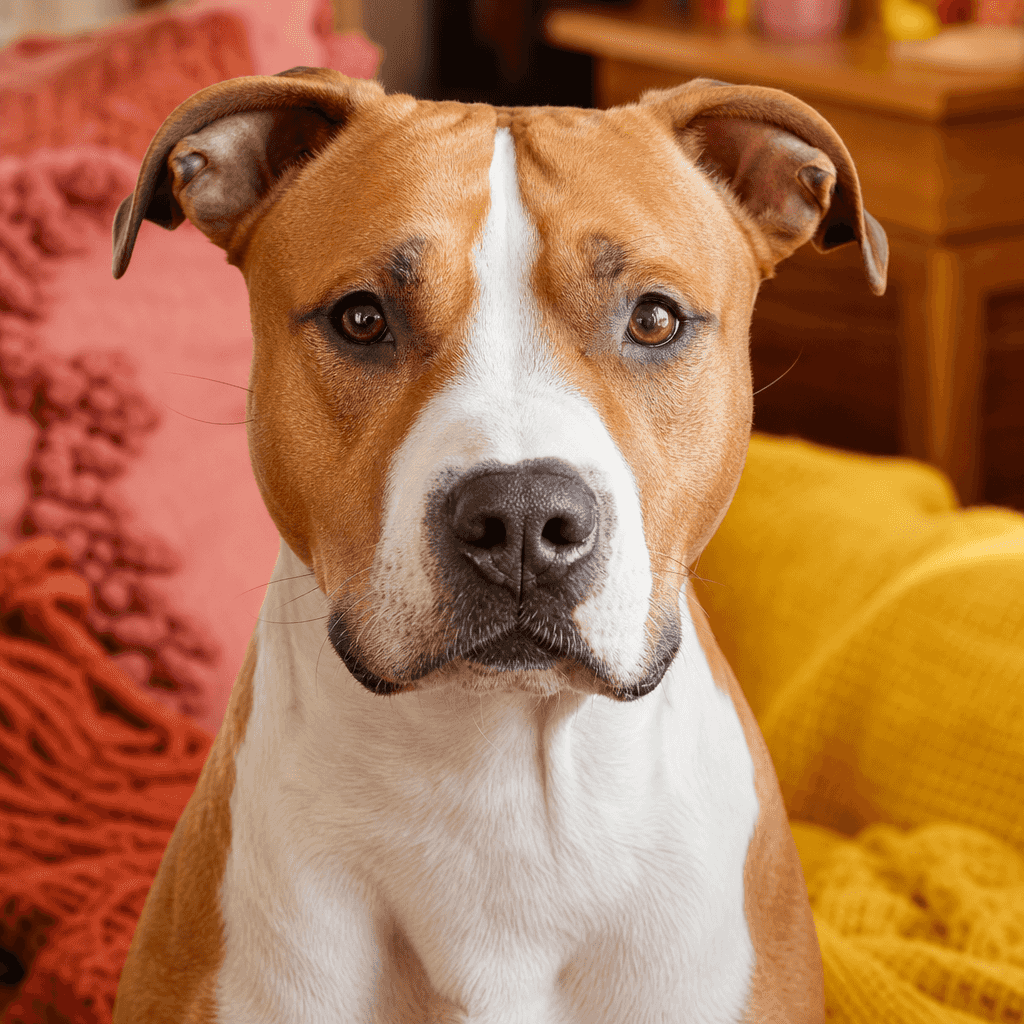
American Pit Bull Terrier Match Quiz
Is an American Pit Bull Terrier right for you?
15 quick questions
Question 1of 15
How much structured exercise can you give, most days?
The ideal answer: At least 90 minutes plus training or games
That’s exactly this breed’s happy place. With real outlets for energy and brainwork, most APBTs become easy roommates at home — sleepy, cuddly, and satisfied. Keep a rotation of activities (walk, flirt pole, tug, sniffaris) and you’ll see that fabled off-switch everyone raves about.
Question 2of 15
Be honest: what’s your approach to training?
The ideal answer: Consistent, reward-based, classes are fun
Perfect — this breed shines with upbeat structure. Short, frequent sessions build skills quickly, and your dog’s eagerness to earn reinforcement will make you look like a pro. You’ll also have the tools to teach calm around triggers, which is key for bully breeds in busy neighborhoods.
Question 3of 15
How comfortable are you handling a powerful puller at first?
The ideal answer: Confident — I’ll use a front-clip harness and train it out
Great plan. A good front-clip harness, short leash, and reward-for-position turns power into partnership. Combine that with decompression walks and you’ll feel steady control while your dog learns that loose leash = moving forward.
Question 4of 15
What do you picture for dog-dog time?
The ideal answer: Calm, on-leash walks near dogs; polite hellos rarely
That’s the safest and most realistic expectation for many APBTs. Parallel walks, decompression sniffing, and selective, low-key greetings set everyone up to succeed. You’ll enjoy more peace and fewer adrenaline spikes.
Question 5of 15
What other animals share your home?
The ideal answer: No small animals at home
That’s the smoothest setup. Without little animals to trigger chase, you can focus on leash skills and enrichment. If you ever add a cat, plan very slow intros and multiple safe zones for the smaller animal.
Question 6of 15
What best describes the kid energy in your home?
The ideal answer: Adults or older, dog-savvy kids
Lovely match. Clear rules (no riding, no face-in-face hugs, trade-for-toys) and daily exercise bring out the breed’s affectionate, goofy best. Expect a couch snuggler and a devoted shadow.
Question 7of 15
On a typical weekday, your dog would be alone…
The ideal answer: Rarely — someone’s home most of the day
That’s gold for this breed. With company and structure, you’ll see relaxed naps instead of boredom behaviors. Use that time to build great house manners and calm routines.
Question 8of 15
What’s your living situation?
The ideal answer: House with a secure 6-ft fence and supervision
Excellent. A solid fence plus supervised yard time gives you safe play without escape drama. Add locks on gates and teach a reliable recall to a whistle for extra peace of mind.
Question 9of 15
Have you checked whether APBTs are allowed where you live and insured?
The ideal answer: Yes — lease, HOA, city rules, and insurance all allow it
Perfect. With paperwork squared away, you can focus on training and bonding. Keep copies on hand; it’s surprising how often you’re asked for proof with this breed.
Question 10of 15
How do you feel about being a bully-breed ambassador in public?
The ideal answer: I’m ready — training, polite gear, maybe muzzle training
That attitude serves your dog beautifully. A well-fitted harness, treat pouch, and practiced routines (sit for greetings, give me space) defuse most situations. Muzzle training as a positive skill is smart risk management, not an admission of guilt.
Question 11of 15
What level of coat care fits you?
The ideal answer: Weekly brushing, monthly bath, nails every 2–3 weeks
Perfect match. A rubber curry brush, gentle shampoo, and steady nail care keep the coat shiny and skin happy. Your hands-on check is when you’ll catch hotspots or ear goop before it becomes a vet visit.
Question 12of 15
An unexpected $1,500 knee or allergy bill would be…
The ideal answer: Covered — savings and/or pet insurance in place
Great — you’re set up for real life with an athlete. Many owners insure early to avoid pre-existing exclusions and to help with big-ticket items like orthopedic surgery. With the money piece handled, health quirks become manageable projects, not crises.
Question 13of 15
Your local weather is…
The ideal answer: Mild or I’m prepared with coats and schedule tweaks
Perfect. A winter jacket, limited time on icy days, and dawn/dusk walks in summer cover the bases. You’ll get a dog who’s comfortable enough to focus and enjoy the outing.
Question 14of 15
How will you meet a powerful chewer’s needs?
The ideal answer: Rotation of tough chews, puzzles, and crate training
Excellent plan. Rotate safe, durable chews (rubber, nylon, properly sized raw bones if your vet approves), feed meals in puzzles, and build a crate as a cozy nap zone. A worked brain and jaw equals a calm evening.
Question 15of 15
Where do you imagine your APBT running free?
The ideal answer: Leashed or long-line everywhere, no problem
That’s the smart default. Long lines in open spaces give room to move while keeping everyone safe, and your recall gets stronger with practice, not risk. You won’t miss the off-leash drama.
Your result
Answer the 15 questions above and your match score appears here.