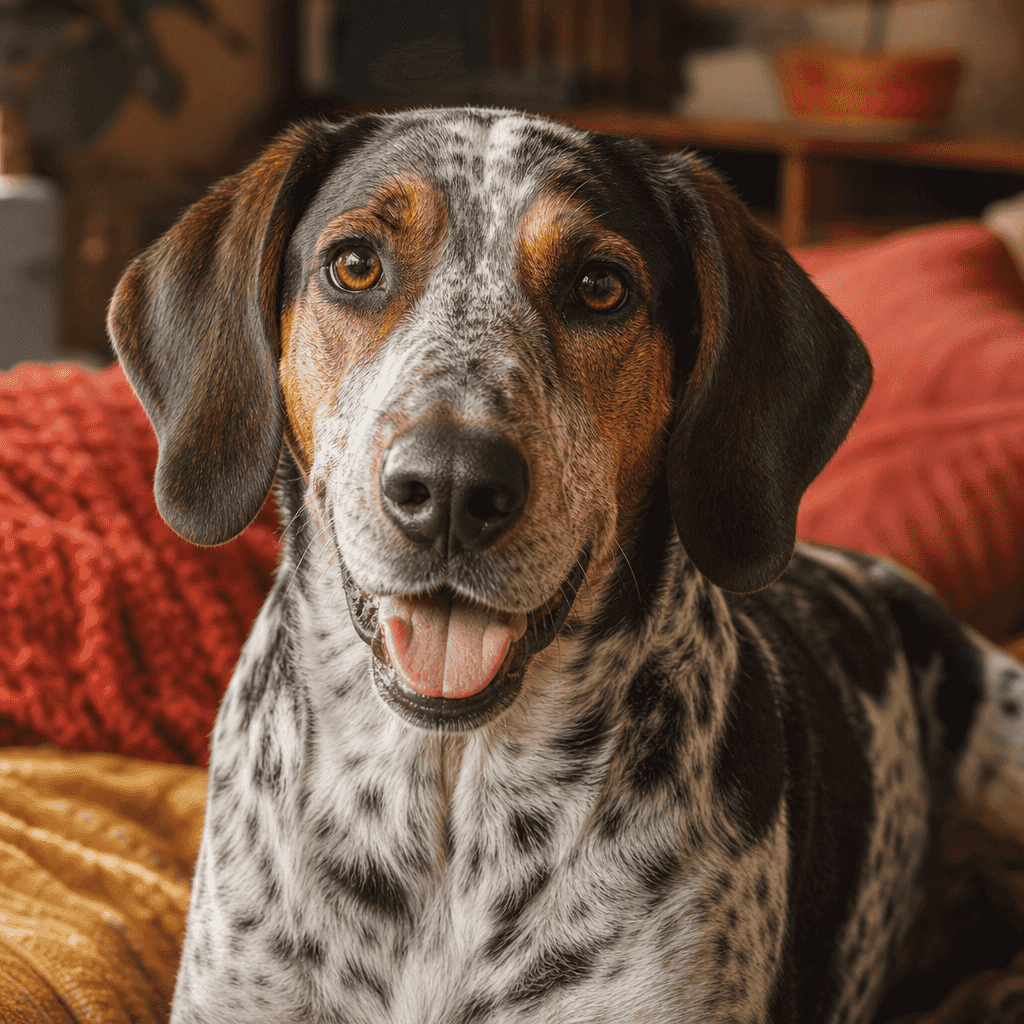
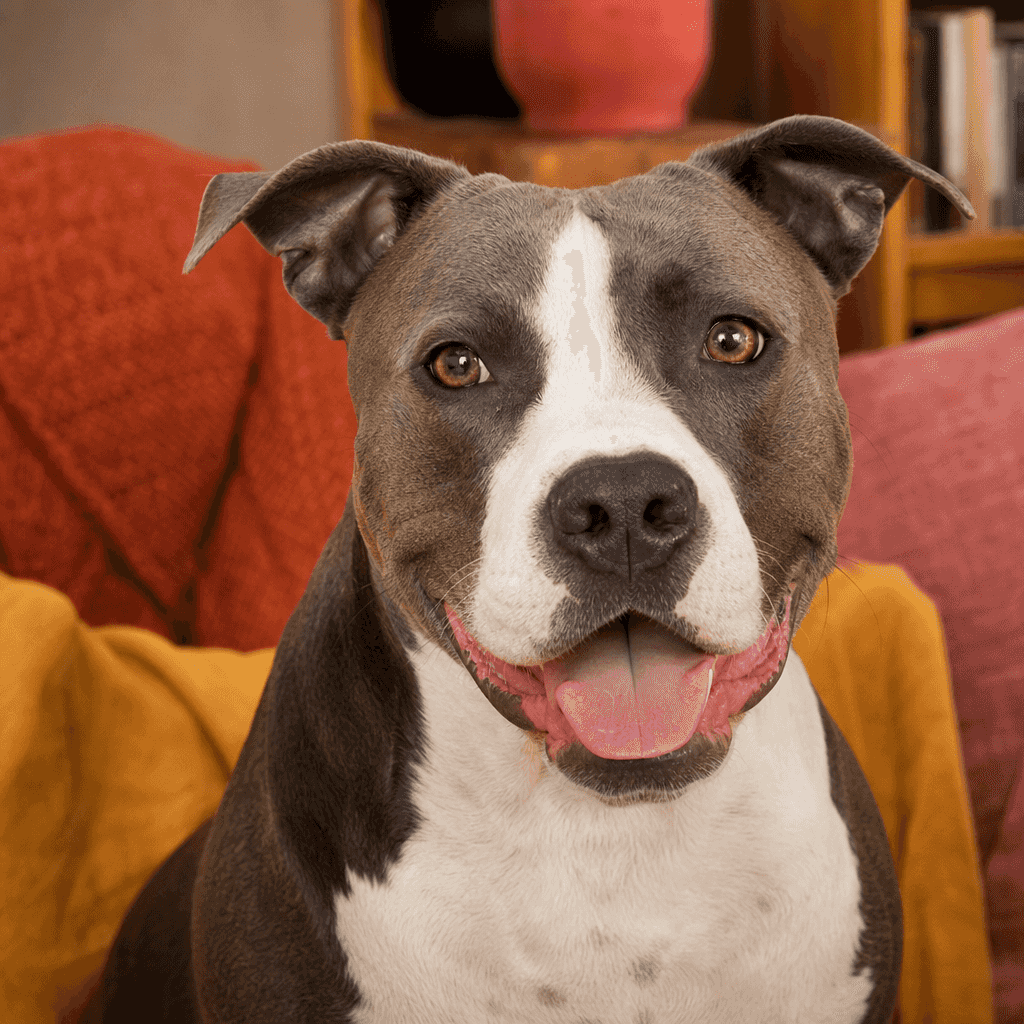
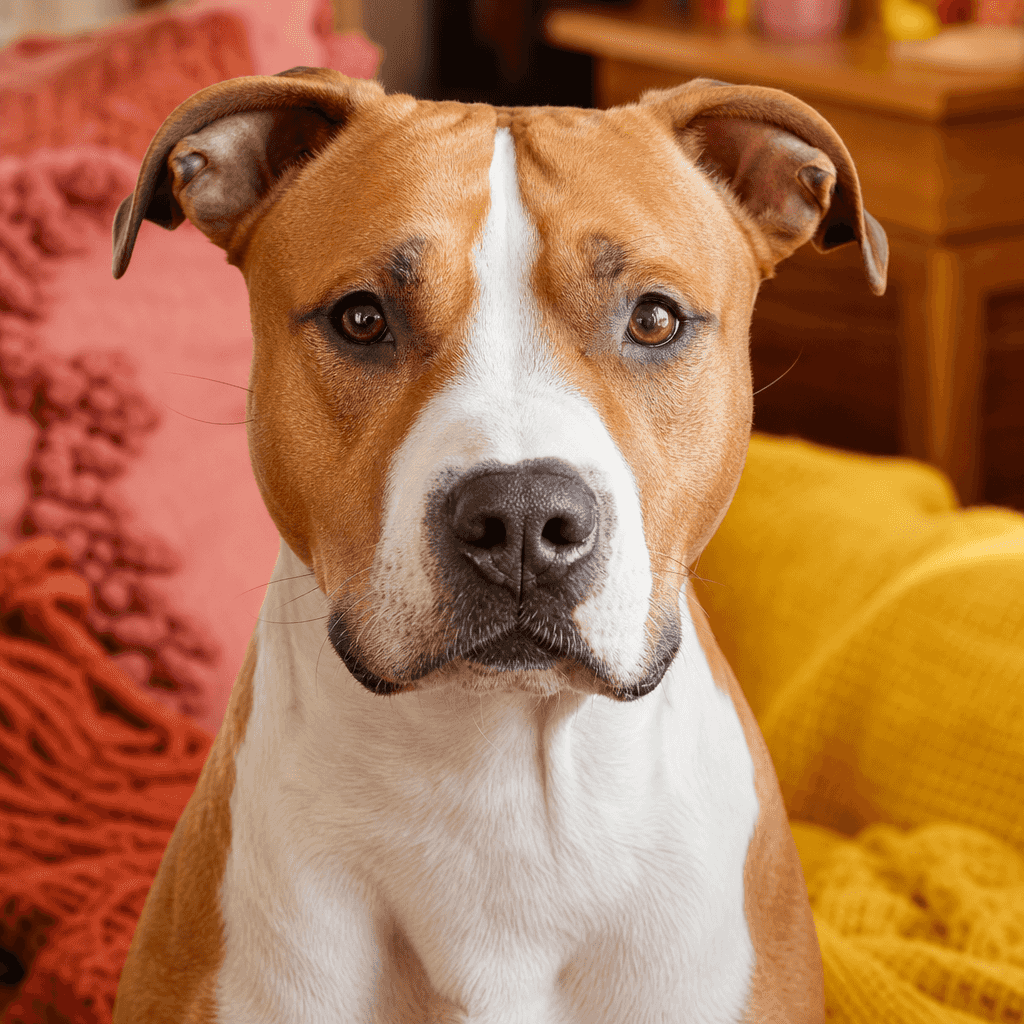
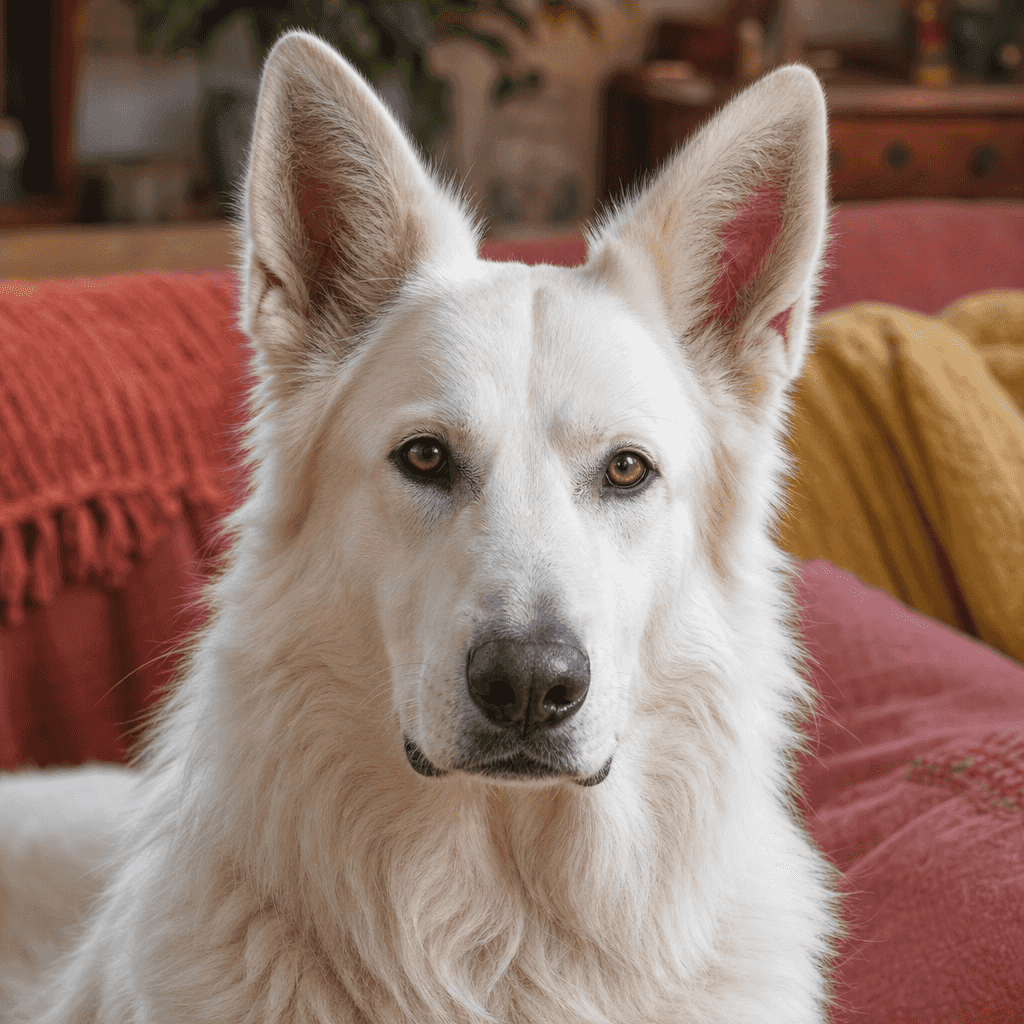
Alapaha Blue Blood Bulldog Match Quiz
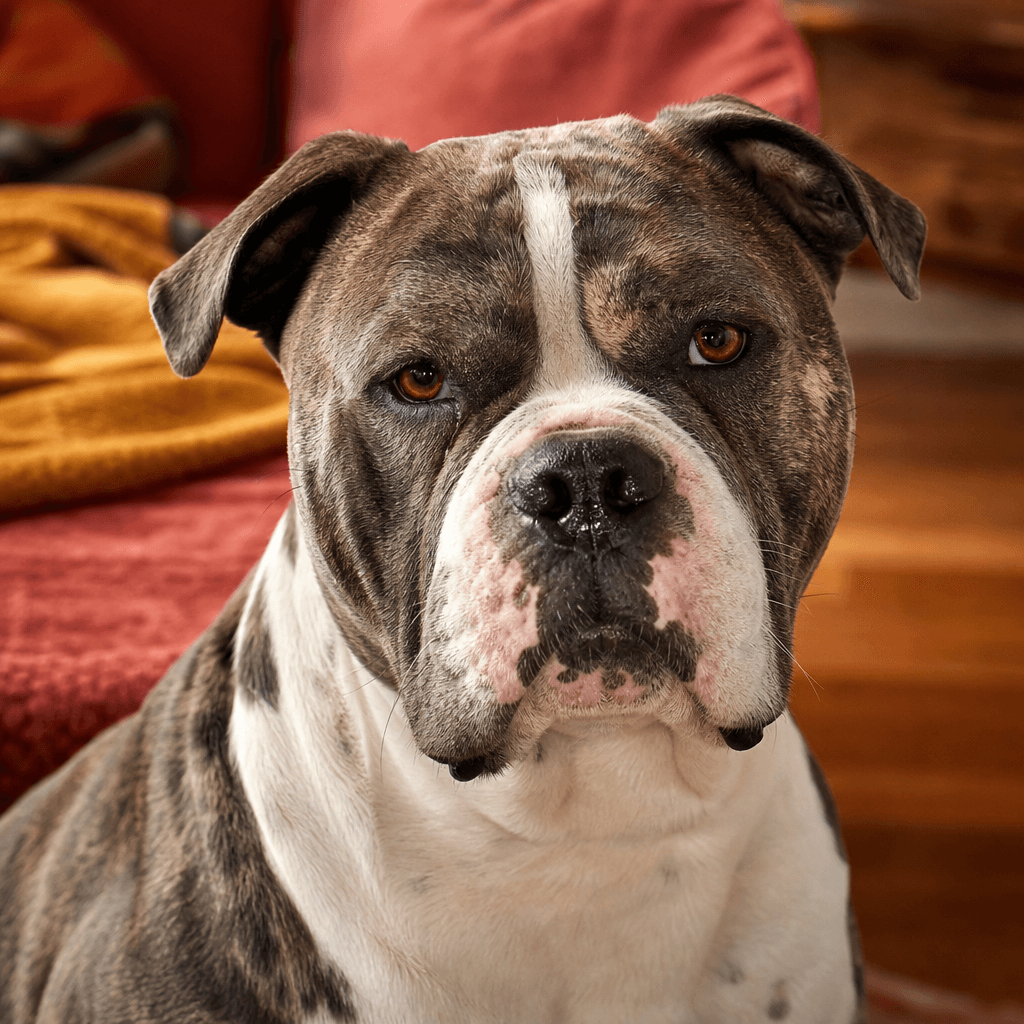
Is an Alapaha Blue Blood Bulldog right for you?
14 quick questions
Question 1of 14
What does an ideal Saturday with your dog look like?
The ideal answer: Hike or long walk, training games, and some structured play
Boots laced, leash clipped, and a blocky head glancing back for the next cue—you get a dog who shows up for work. Plan on 60–90 minutes of real movement plus brainwork: a 45–60 minute hike or long walk at your pace (on leash—this one doesn’t need to meet every dog on the trail), 10 minutes of drills (sit/down/place, loose leash, impulse control), and a short flirt‑pole or tug session with clean rules.
Puppies and teens still play the long game. Protect those joints: keep jumping and steep scrambling modest until 18 months, and swap long runs for structured sniffy walks. Heat cuts sessions fast—bulldog faces run hot. Cooldown with shade, water, and five minutes of quiet “place.” The upside: a calmer evening guardian who sighs at your feet instead of pacing windows.
| Saturday flow | Time | | — | — | | Long walk/hike | 45–60 min | | Skills/games | 10–15 min | | Play (tug/fetch) | 10 min | | Settle practice | 5–10 min |
Next step: stash a treat pouch by the door and pick three cues you’ll pay all weekend—consistency is this breed’s love language.
Question 2of 14
Where will this dog live and how secure is the property?
The ideal answer: House with a secure 5–6 ft physical fence
Gate latched, sightlines blocked along the hot fence line, and your dog does their favorite thing—patrol, then flop under shade like they own the deed. A solid 5–6 ft physical fence with lockable gates is exactly right for a territorial, people‑focused bulldog who doesn’t need to greet the neighbor’s spaniel nose‑to‑nose.
Tighten the setup: add a self‑closing latch, cover chain‑link with privacy slats to reduce “see and scream,” and put a water station and shade sail in the calmest corner. No invisible fence—this dog will take a zap to chase, and it won’t stop a stranger walking in. Expect some window barking; teach “place” and rotate yard time with indoor settles so they don’t post up as a full‑time sentry.
- Must‑haves: 6 ft fence, locked gates, signage at entries
- Nice‑to‑haves: gravel strip by the fence (less digging), camera on the hot corner
Next step: walk your fence line today and note any 6" gaps or climb points—fixes now prevent headaches later.
Question 3of 14
Be honest — your dog-handling background is…
The ideal answer: I’ve raised and trained large working/guardian breeds
You’ve wrestled with teenage bravado before, so the Alapaha’s “make me” phase won’t surprise you. Expect boundary testing from 6–18 months—door dashes, hard eyeballs at other dogs, and selective recall when the scent gets spicy. You’ll meet it with clear rules, rewards for neutrality, and clean management: crate when you can’t supervise, gates, and place.
Add a couple of pro moves you may not have needed elsewhere: muzzle‑conditioning for vet work and crowded spaces, handler focus under pressure rather than forced greets, and slow‑roll introductions with any resident dogs (opposite sex is your better bet). Same‑sex friction can be real in this breed—plan for parallel walks and rotate spaces until you earn harmony.
Keep monthly tune‑ups with a trainer who understands guardian dogs; it’s cheap insurance against reactivity patterns. Next step: make a short list of trainers you trust and book a baseline session before the first growth spurt hits.
Question 4of 14
From 8 weeks to 2 years, you’ll…
The ideal answer: Do weekly classes and planned, calm exposures
Picture it: coffee in a travel mug, puppy on a loose lead watching the world breathe. Weekly class for skills, then calm, planned exposures—parks at a distance, hardware store aisles on quiet mornings, friends who follow your script. You’re building neutrality, not a social butterfly.
Weeks 8–16 are gold. Pair people, places, and handling with food; skip dog parks; teach “look,” “let’s go,” and “place.” From 6–18 months, keep your foot on the gas—adolescence brings opinions. One calm rep beats ten chaotic ones. Log your exposures, aim for two new sights/sounds a day, keep greetings brief and boring, and call it when arousal climbs.
- Puppy K by 10–12 weeks; field trips 3–4x/week
- Vet tech cookie visits; nail handling every other day
- Parallel walks with steady dogs; no meet‑and‑mob
Next step: make a “neutrality route”—two quiet stores and one park at off‑hours—and run it twice this week.
Question 5of 14
How lively is your door and yard?
The ideal answer: Frequent guests, but I manage intros and use place/crate
Doorbell rings, you point to the mat, and 70 pounds melts into a down. Guests enter calm; first impressions happen under your rules, or not at all. With a breed that notices everything, place/crate and scripted intros keep everyone safe and the dog’s brain cool.
Have a delivery plan (package box, no yard entries), signage at gates, and a stock phrase for surprise visitors: “Give me a minute to put the dog away.” For first‑time male guests or busy gatherings, muzzle conditioning is a smart layer. Consider an umbrella policy for extra liability coverage—cheap peace of mind with a guarding breed.
No hellos at the door. Work first, greeting later—maybe.
Next step: teach a 60‑second “go to place” this week and pay it like rent; it’s the button you’ll press ten times over the holidays.
Question 6of 14
Any children in the daily mix?
The ideal answer: Kids 10+ who follow handling rules
Shoes lined up, leash handed off, and your kid actually remembers the release word—that’s the lane. With respectful, rule‑following kids, this breed settles into family life: sturdy enough for backyard hangs, serious enough to mean “enough” when play ramps. Non‑negotiables: no roughhousing, no riding the dog, no taking food or toys from a busy mouth.
Teach the basics as family policy—don’t open doors without asking, call the dog off doorways, and park them on place during homework and meals. Friends visiting? Dog gets put away first, then slow intros if you want them at all. Remember, a muscled body can bowl over children accidentally; manage ball games and zoomies with space and mats.
Post the rules on the fridge and review them before sleepovers. Next step: run a 10‑minute family training huddle this weekend—everyone pays the same three cues so your dog doesn’t get mixed messages.
Question 7of 14
Who else would share the space?
The ideal answer: Only dog, or opposite-sex adult with slow intros and management
Peace looks like parallel walks, baby gates, and you playing air‑traffic control for a couple of weeks. This breed often does best solo or with an opposite‑sex adult, introduced slowly. Feed separately, trade spaces, and watch the heat around resources—bones, beds, you. Same‑sex friction can be real and ugly; set the rules early and keep them.
Intros aren’t a moment; they’re a process: scent swaps, short co‑walks, then supervised house time. Even once you’re cruising, maintain structure—no toy piles, no crowding doorways, and crate when you’re out. The reward is a home where the dogs can relax because you’re handling the decisions.
Next step: buy two baby gates and a second bed now—you’ll use them daily in month one while you build trust.
Question 8of 14
On a typical weekday, your dog would be alone…
The ideal answer: 2–4 hours, most days
You leave after breakfast, the house stays quiet, and a good chew carries your dog to lunchtime. 2–4 hours solo pairs well with crate time and a morning walk; rotate enrichment so home doesn’t feel like guard duty.
Make the crate a studio apartment: 42" wire or a sturdy plastic with a bed that fits, a frozen Toppl or marrow bone for exits, and white noise near the door to muffle hallway sounds. Vary the routine a couple of days a week so the dog doesn’t start clocking and fretting at minute 121. If alone time creeps up, add a neighbor potty break before habits slide into boredom barking.
Next step: pack three frozen food toys on Sunday night—future you will thank you on Wednesday at 7 a.m.
Question 9of 14
When a 70‑lb adolescent pushes a boundary, you will…
The ideal answer: Use rewards, clear rules, crate/place, and pro help as needed
Boundaries plus paychecks—that’s the recipe. You’ll use food and toys to build what you want (loose leash, place, recall), and clear rules to cap what you don’t (door rushing, demand barking). Crate, gates, and a mat become tools, not punishments. When pushback hits, you lower arousal, ask for a known behavior, and pay it.
Layer in real‑world drills: settle at a café, neutral passes around dogs, calm handling for vet care. Muzzle‑condition now so you never need it in a hurry. If you ever feel over your head, you call a pro before patterns set. The pitfall here is slacking once it looks “good enough”—adolescence will test the gaps.
Next step: book a class block and pick one marker system (“yes”/“nope”/release) the whole household will use starting today.
Question 10of 14
Beyond walks, what kind of “work” can you offer?
The ideal answer: A weekly class plus daily 10-minute drills/games
One night a week you two clock in: foundations, rally, scent games—something that pays focus and self‑control. Then, 10‑minute daily drills at home: place, impulse control at doors, and a fun trick or two. This is a thinking breed; real work takes the edge off better than another lap of the block.
Consider low‑impact outlets: scentwork (great for hot days), carting/weight‑pull with a knowledgeable club, or urban agility on park benches. Keep jump heights and repetitive pounding modest until growth plates close around 18 months. The bite most people feel? Skipping class after week three. Miss a couple and the wheels wobble.
| Week plan | What it looks like | | — | — | | Mon/Wed/Fri | 10 min drills + flirt pole 5 min | | Tue | Class night (60 min) | | Thu | Scent games at home (10 min) | | Sat/Sun | Field trip + place in public |
Next step: pick a class that coaches neutrality around dogs, not just sit‑down‑shake.
Question 11of 14
Your summers and winters are…
The ideal answer: Mild climate or reliable A/C and heated indoors
Windows open, slow walks, and a square head snoozing by a heat vent—this is the easy lane. In mild weather or with reliable A/C and heat, an Alapaha stays comfortable. Still, watch the warm months: short muzzles move less air, and heavy bodies hold heat.
Keep summer walks to shade and steady pace, carry water, and skip midday miles above 75–80°F. In winter, a simple coat for sub‑freezing mornings helps short coats. Hot spots show up under constant damp drool—wipe folds and keep a towel handy. Safe climate means you get to focus on training, not survival.
Next step: grab a cooling mat and a clip‑on water bowl for the car before the first hot weekend sneaks up.
Question 12of 14
How do you feel about slobber strings and weekly coat care?
The ideal answer: No problem — towel by the water bowl and a weekly routine
Water bowl slurp, then two polite strings of drool arc toward your pant leg—you swipe with the towel that lives there. That’s the rhythm. A weekly rubber curry brush keeps the short coat shiny, wipe folds and lips after meals, clean ears every 1–2 weeks, and trim nails every 2–3.
Budget a little shed all year and heavier blows in spring/fall. Keep a lint roller by the door and a washable throw on the couch. If jowls are generous, expect a little wall art after shake‑offs. The upside: baths are quick, 10–15 minutes with a mild shampoo; the downside: water + mouth = micro‑sprinkler.
Stock list: microfiber towels, rubber curry, ear cleaner, styptic, grinder or clippers. Next step: set a Sunday timer labeled “brush/wipe/ears” and make it a five‑song routine.
Question 13of 14
Money and paperwork-wise, where are you?
The ideal answer: Emergency fund or pet insurance, and housing/insurance cleared
You’ve handled the boring-but-big stuff, which keeps families and dogs together. With pet insurance or a cushion ($2k–$4k), surprise eye issues, GI scares, or ortho work don’t become rehoming events. You’ve also checked housing and insurance—some companies lump “bulldog‑type” into exclusions.
Typical numbers: food for a 65–85 lb dog runs $70–$120/month on quality kibble, insurance $45–$90/month, training $600–$1,500 in year one. Orthopedic surgery can hit $4k–$7k; cherry‑eye fixes often $800–$1.5k. Umbrella liability is smart with a guarding breed.
| Recurring | Est. monthly | | — | — | | Food | $70–$120 | | Insurance | $45–$90 | | Training (avg. first year) | $50–$125 |
Next step: email your insurer/landlord tonight with the exact breed name and get a reply in writing.
Question 14of 14
How will you find your Alapaha?
The ideal answer: Wait for a vetted breeder or adopt via reputable rescue
You’re ready to wait for the right dog, not the first one. That means health‑tested parents (hips/elbows, eyes, cardiac), stable temperaments, and breeders or rescues that quiz you back. Expect a waitlist and real questions about your setup; price often lands in the $1,800–$3,500 range for a well‑bred pup.
You’ll meet or video‑meet the dam, review contracts (return clause, spay/neuter terms), and get lifetime support. Rescues worth their salt assess dog‑selectivity and place with management plans. “Rare blue” hype, no health certs, or multiple litters on the ground all year? Walk.
Next step: start a folder—save OFA links, contracts, and three breeder/rescue contacts—and schedule two calls this week.
Your result
Answer the 14 questions above and your match score appears here.