Alaskan Klee Kai Match Quiz
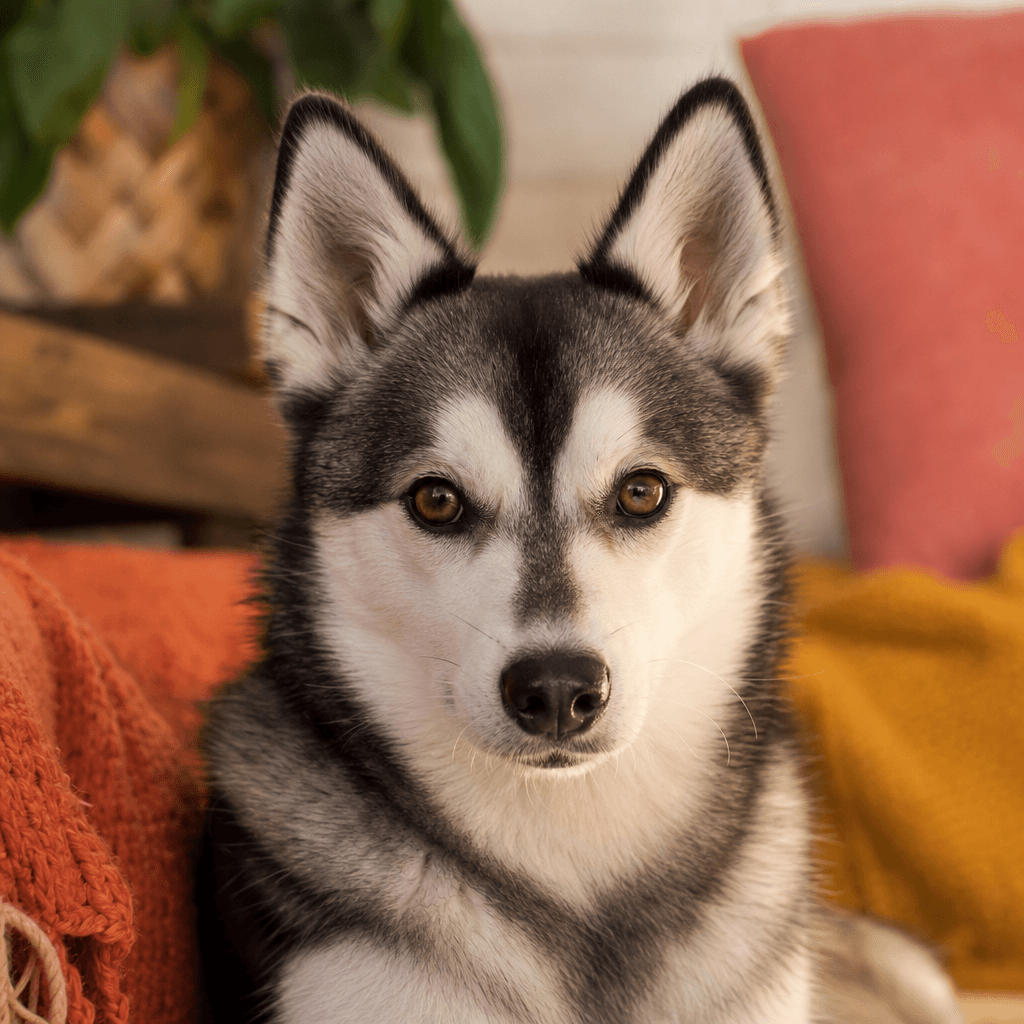
Is an Alaskan Klee Kai right for you?
14 quick questions
Question 1of 14
How active are you most days?
The ideal answer: I’m out moving daily and enjoy training games
Before coffee, you’re lacing up and there’s a bright-eyed shadow dancing at your heels. A brisk 30–40 minutes gets that springy trot going, then later you’re tossing in 10 minutes of trick reps or nosework while dinner simmers. This dog eats up structure — heel to jog intervals, place work while you tie shoes, a few flirt‑pole bursts to finish. Plan on 75–90 minutes of real movement plus brain games most days.
Skip it and you’ll hear the commentary: dramatic sighs, hallway zoomies, maybe a sudden interest in unraveling the bath mat. Week two is where many people fade; your edge is that you like the routine. Fold in a weekly class (agility foundations or rally — $150–250 per 6 weeks) to keep both of you sharp and sane.
- Morning: 30–40 min brisk walk/jog
- Evening: 30–40 min mixed walk + 5–10 min training
- Indoors: 10 min scent games or puzzle feeder
Next step: pick a walking route you can do in 35 minutes door‑to‑door and set it as a daily “non‑negotiable.”
Question 2of 14
How will you keep this nimble escape artist safe outside?
The ideal answer: 6-ft, climb-resistant, dig-proof fence
You close the gate and exhale because you’ve built Fort Knox. Six feet of smooth paneling or tight wire, an inward‑angled topper or coyote rollers, and a dig barrier sunk 12–18 inches keeps those ninja paws honest. Latches double‑locked, no gap wider than a fist, and landscaping clear so nothing becomes a launch pad.
Expect a curious inspector trotting the perimeter on day one. Supervise the first week with a long line to learn where the sunbathing spots are and where you need more gravel or pavers. It’s not cheap, but it’s cheaper than a lost dog.
| Upgrade | Ballpark | | — | — | | Dig guard/mesh + trenching | $300–800 | | Rollers/angled topper | $200–600 | | Self‑closing, lockable gate | $100–250 |
Next step: crawl the fence on hands and knees — literally — and plug any gap you can slide four fingers under. That’s an exit to a Klee Kai.
Question 3of 14
Your off-leash expectations are…
The ideal answer: Leash/long-line is fine — safety first
You clip in, and the world opens up without gambling on recall. A 20–30 ft biothane line glides through grass, a Y‑front harness keeps shoulders free, and you give them room to sniff hard while still having a say. Off‑leash becomes a want, not a need.
This approach slots perfectly with a Klee Kai brain: decompression walks, nosework hides in hedges, practice “this way” and “leave it” without rolling dice on traffic or deer. The line teaches them that you’re a constant, not a suggestion. Just avoid dragging a trailing line on busy sidewalks or near bikes; gather it to 6–8 ft as you approach roads.
Next step: order a 30 ft biothane long line and a treat pouch today. Spend 10 minutes in a quiet field rewarding every voluntary glance your way — that’s your autopilot.
Question 4of 14
What’s your realistic plan on busy weekdays?
The ideal answer: Two brisk outings plus short training games
Clockwork pays off. Morning power walk/jog for 30–40 minutes, evening 30–40 minutes of mixed walking with two 5‑minute bursts of sprint games, and 10 minutes of training or nosework sprinkled in. That mix hits body and brain so the house stays quiet.
Rain or heat wave? Trade the second walk for a 15‑minute indoor circuit: place work, chin rest, scatter‑feeds, scent box finds. Keep a flirt pole behind the coat rack and a puzzle feeder ready so you’re never improvising at 9 p.m. Consistency is the secret sauce; day 10 is where the calm shows up.
- AM: 35 min brisk walk + 3 min hand‑target/recall
- PM: 35 min walk + 2x5 min flirt‑pole; 10 min snuffle mat
- Wed/Fri: swap one walk for shaping tricks
Next step: set two repeating calendar blocks right now and lay out shoes, leash, and treats the night before.
Question 5of 14
How do you feel about early, structured socialization?
The ideal answer: I’ll prioritize classes and careful field trips
You’ve got a calendar and a treat pouch — good. Weeks 8–16 are gold. Puppy class once a week ($150–250/6 weeks), three quiet field trips weekly (hardware store, park bench people‑watching, vet lobby sit‑and‑treat), and two calm guests at home who ignore the dog until they opt in. Every new sight predicts food.
Keep sessions short and easy: one or two nice interactions, then out. Pair nail touches, collar holds, and being picked up with a spoon of wet food. The goal isn’t “loves everyone,” it’s “comfortable and neutral.” Overdo it and you’ll tip into fear, so watch for lip licks or turning away — that’s your cue to leave.
Rule: quality over quantity. Two good reps beat ten meh ones.
Next step: book a positive‑only puppy class now and block 20 minutes on two weeknights for simple field trips.
Question 6of 14
What training style sounds like you?
The ideal answer: Clicker/positive reinforcement, patient with reps
Clicker in hand, you’ll get witty, fast learning without the spitz side‑eye. Short, upbeat reps (2–5 minutes) and great paychecks turn “what’s in it for me?” into “show me the game.” Teach a rock‑solid hand target, settle on a mat, and a conditioned “this way” for when curiosity spikes. Use a 15–30 ft long line so rehearsing ignore‑you never happens.
Harsh corrections make these guys shut down or get snarky. Instead, manage the environment (baby gates, covered windows), prevent dashing practice, and reward like you mean it. Rotate reinforcers — cheese, tug, sniff breaks — so you’re not held hostage by a picky mood.
Next step: grab a treat pouch and a clicker, and teach a hand target today. Ten good reps in your kitchen will feel like flipping a switch.
Question 7of 14
How much spitz chatter can your home (and neighbors) handle?
The ideal answer: I don’t mind talkative dogs — I’ll train a cue
You’ll chuckle at the woo‑woos and shape them into party tricks. Teach “talk” on cue so you can also teach “quiet,” and pay generously for silence — a treat for every 5, then 10, then 20 seconds of calm when the doorbell rings. White noise and window film help them feel less responsible for the street.
Alert barking still happens; that’s the spitz job application. The win is control: a mat by the door, a scatter of kibble after the first bark, then “place.” Keep neighbors sweet with a note and cookies during week one while you train.
Next step: start a “bank account of quiet” today — set a timer for 2 minutes and feed one pea‑sized treat every few seconds of calm while life goes by.
Question 8of 14
On a typical weekday, the dog would be alone…
The ideal answer: Rarely — someone’s usually around
Someone’s usually home, which is a gift for a breed that can worry when you vanish. Use it well: teach independence on purpose. Scatter‑feed in a crate with the door open, close a baby gate for 5–10 minutes while you shower, and watch on a camera so you catch early fussing before it becomes a habit.
The trap here is shadowing. If they’re velcro 24/7, even a quick grocery run feels like abandonment later. Normalize short, boring separations daily and reward calm when you return. White noise plus a stuffed Kong buys you quiet practice reps.
Next step: schedule one 20‑minute “you in another room” session every day this week with a frozen Kong. Take notes on the first 5 minutes.
Question 9of 14
What other animals live with you?
The ideal answer: No small pets; adult cats or similar are fine
No pocket pets means fewer temptations, and cat‑savvy adults can coexist well. Introduce with structure: baby gates, scent swaps, and leashed walk‑bys. Pay the dog for turning away and the cat for showing up. Vertical space (tall trees, shelves) gives felines veto power when the zoomies hit.
Prey drive still lives under the hood, so no hamster meet‑and‑greets and no dangling feather toys near curious noses. Feed separately for the first month and park litter boxes behind gates so privacy doesn’t turn into chase.
Next step: install one pressure‑mounted gate with a cat door and set up the cat’s escape routes before the first hello.
Question 10of 14
What’s the kid situation at home?
The ideal answer: Adults only or kids 8+ who follow rules
Clear rules and predictable handling suit this sensitive, expressive breed. Older kids who can wait for consent and use calm voices help the dog relax. Post a few house rules: no forced hugs, invite to a mat with treats, ask for a “touch” instead of reaching over the head, and give the dog a bedroom‑level retreat where friends aren’t allowed.
Tween sleepovers and squeals still happen; park the dog with a stuffed Kong in a quiet room during peak chaos. Practice trading games so toys aren’t worth guarding and teach everyone to spot “I’m done” signals — head turns, lip licks, walking away.
Next step: print a one‑page “Dog Rules for Friends” and tape it by the door. One minute of reading saves a thousand apologies.
Question 11of 14
Be honest: brushing and seasonal de-shedding?
The ideal answer: Brush 2–3x weekly; ready for blowout season
Slicker brush in one hand, metal comb in the other — that double coat stays glorious with 2–3 sessions a week. Hit friction zones (behind ears, armpits, pants) and check the comb glides to skin. Twice a year, the undercoat “blows” for 2–3 weeks; plan 20–30 minutes daily with an undercoat rake and a high‑velocity dryer (outside unless you like snow indoors). Never shave a double coat — it sabotages cooling and texture.
Nails every 2 weeks, teeth most days, and a quick line‑brush after muddy walks keeps things simple. Expect to swap HVAC filters more often during coat blow. A $80–150 dryer pays for itself fast if you’d otherwise run to the groomer for every tumbleweed.
Next step: order a metal greyhound comb and a bottle of light detangling spray; your future self will thank you during shed season.
Question 12of 14
Dog hair on the couch and your clothes?
The ideal answer: Fine — lint rollers and a dog blanket are standard
Fur tumbleweeds? You shrug and reach for the lint roller. That’s the spirit you’ll need when the coat blows twice a year and the vacuum bin fills twice a week. Plan washable throws on the couch, a robot vac on a schedule, and a coat‑blow week kit (undercoat rake + dryer or a groomer appointment).
A small stash makes it painless:
- 2–3 lint rollers (car, entry, office)
- Couch cover or dog blanket you actually like
- HEPA filter if anyone’s sniffly
Next step: toss a lint roller into your work bag today and pick a couch throw you won’t mind washing every Saturday.
Question 13of 14
Your local climate is…
The ideal answer: Cool/cold much of the year
Cold mornings feel like a green light. You’ll get perkier trots in 20–40°F than at 70°F, and snow zoomies are very much a thing. Paw care matters — balm before salted sidewalks and a rinse after — and watch for ice balls between toes on slushy days.
Windchill can sting ears on long, static waits, but moving walks are their jam. Summer still needs adjustments: shade routes, cool water, and slower paces over 75°F even if they beg for more.
Next step: grab Musher’s Secret paw balm and stash a towel by the door for quick post‑walk rinses.
Question 14of 14
How prepared are you for costs unique to this breed?
The ideal answer: Savings/insurance set; okay with waitlists
You’ve planned for the curveballs, which is smart with a small spitz. Insurance ($30–60/mo), an emergency stash ($1–3k), and comfort with specialist waitlists cover the big stuff. Common spends: annual eye exams (ACVO clinic $60–120), patella checks, dentals ($400–900 every 1–3 years), and the occasional tummy drama.
If luck runs out, luxating patella surgery runs ~$1.5–3k per knee, and eye issues can mean a few specialist visits. Having savings means you pick the best care, not the only care. Keep digital copies of health testing and a note with the nearest 24/7 ER to shave minutes on bad nights.
Next step: set an automatic transfer of $50/month into a pet fund and get two insurance quotes before pick‑up day.
Your result
Answer the 14 questions above and your match score appears here.