American English Coonhound Match Quiz
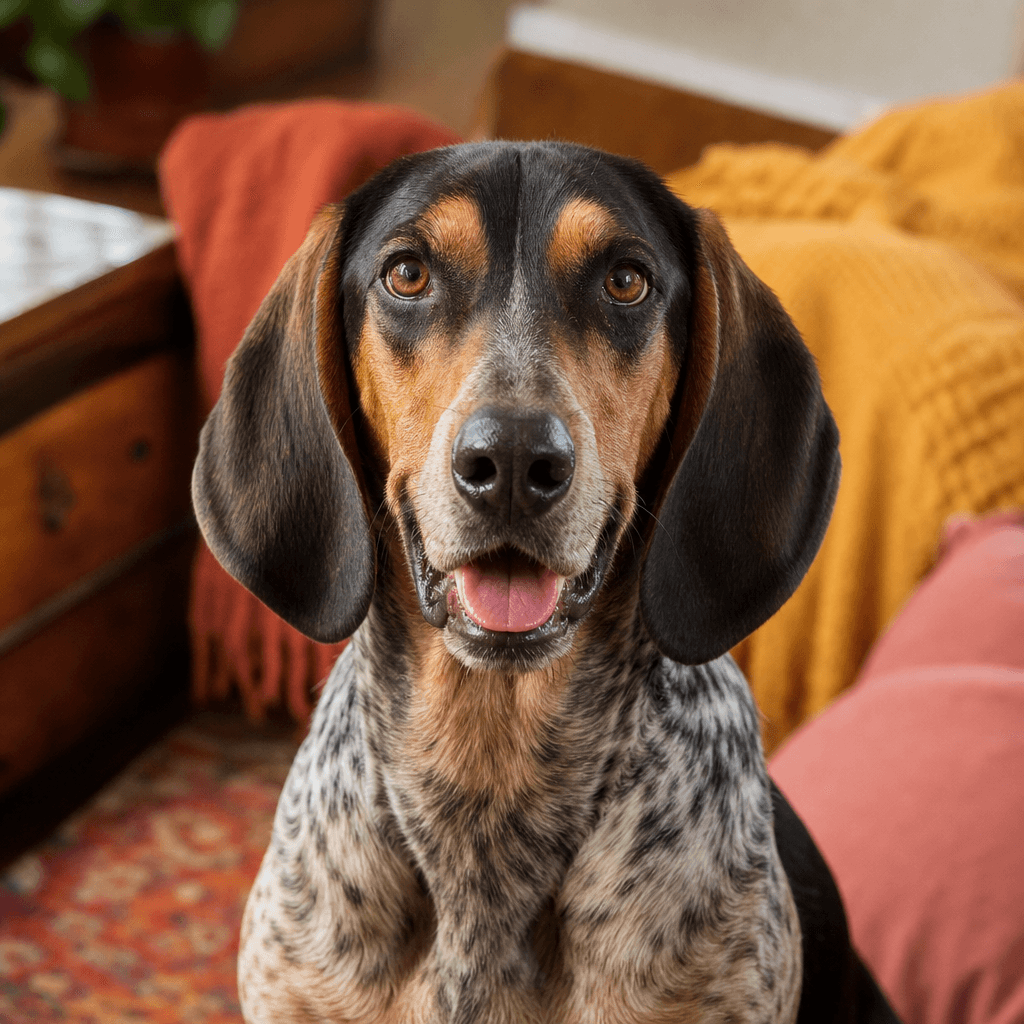
Is an American English Coonhound right for you?
14 quick questions
Question 1of 14
How much real exercise will you enjoy giving most days?
The ideal answer: 90–120 minutes most days (runs, hikes, long “sniffaris”)
That’s exactly this breed’s gear, and your plan fits. With steady miles, structured sniff time, and a rest day here and there, a coonhound becomes an easy housemate who sleeps hard between outings. Keep growth plates in mind for young dogs; save true distance running until physical maturity.
Question 2of 14
Where will this hound live?
The ideal answer: House with a secure yard
Perfect. A fenced yard makes bathroom breaks and decompression easy, while your real work still happens on walks and runs. Expect a relaxed roommate inside once the miles are logged.
Question 3of 14
Your (and your neighbors’) tolerance for baying?
The ideal answer: I don’t mind; detached home or rural life
Great—lean into management, not suppression. Teach a quiet cue, give legal outlets to sing (think woods, not walls), and meet exercise needs so the voice marks moments, not hours. With your setup, their soundtrack feels like personality, not a problem.
Question 4of 14
What small animals share or frequent your home?
The ideal answer: No small pets; wildlife only on walks
That’s the easiest fit. You’ll still manage wildlife chasing with leashes and secure fencing, but you won’t have daily conflict inside the home. Expect a lot of staring at squirrels—use that to reward focus back to you.
Question 5of 14
Your vision for off-leash time?
The ideal answer: Happy with fenced areas and long-line adventures
Excellent plan. Long-lines let this nose roam while keeping you in the picture, and fenced spaces give blast-off zooms without the chase risk. With that mindset, recall becomes a fun trick—not a life-or-death hope.
Question 6of 14
What kind of yard access would your hound have?
The ideal answer: 5–6 ft secure fence or dog run
Perfect. That setup lets your hound decompress safely and protects wildlife and your dog alike. Still microchip and teach solid gate manners—opportunity plus nose can defeat even good plans.
Question 7of 14
When a dog sniffs instead of listening, you…
The ideal answer: Smile, grab treats, and make my idea worth the dog’s time
That’s the hound recipe. Five-minute sessions, jackpots for coming off a scent, and plenty of sniff breaks will get you farther than drilling sits. With your attitude, you’ll see how biddable a coonhound can be.
Question 8of 14
On a typical weekday, the dog will be alone…
The ideal answer: 0–4 hours, most days
Lovely. With a long morning outing and a stuffed chew, most coonhounds nap right through. You’ll still want a midafternoon stretch on long days, but your schedule is hound-friendly.
Question 9of 14
Your grooming comfort level?
The ideal answer: Weekly ear cleaning, brushing, nail trims—no problem
Perfect. With your plan, ear infections are rare, the coat stays sleek, and nails won’t click on floors. Do a quick post-trail tick check and rinse after muddy runs to keep that houndy smell in check.
Question 10of 14
An unexpected $800–$1,500 expense would be…
The ideal answer: Covered—savings or pet insurance in place
Great positioning. Active hounds collect scrapes and occasional big bills; a policy taken out young or a dedicated savings buffer turns drama into inconvenience. You’ll say yes to care decisions without panic.
Question 11of 14
Your local climate is…
The ideal answer: Mild, or I adjust with AC, dawn/dusk runs, and winter gear
Perfect approach. With smart scheduling and a simple coat for cold snaps, this breed trains year-round happily. You’ll dodge heat stress and keep joints happy on icy days with traction and paw balm.
Question 12of 14
Who shares your home most days?
The ideal answer: Active adults/teens, maybe another friendly dog
Dream team. A built-in playmate and people who enjoy getting outside make for a content, sleepy hound indoors. Expect a lot of goofy affection and easy social vibes with visitors.
Question 13of 14
How do you feel about scent games and puzzle work?
The ideal answer: I’m excited to do tracking, mantrailing, or daily puzzle games
Perfect—this is how you make a hound glow. Hide-and-seek recalls, scent boxes, and easy backyard tracks will leave your dog mentally satisfied and mellow at home. It’s also a blast to watch.
Question 14of 14
What’s your dog-handling experience?
The ideal answer: I’ve owned hounds/working breeds and enjoy training
You’re set. You already expect independent moments and know how to channel them with routine and rewards. That mindset turns a coonhound into a fun training partner.
Your result
Answer the 14 questions above and your match score appears here.