American Bulldog Match Quiz
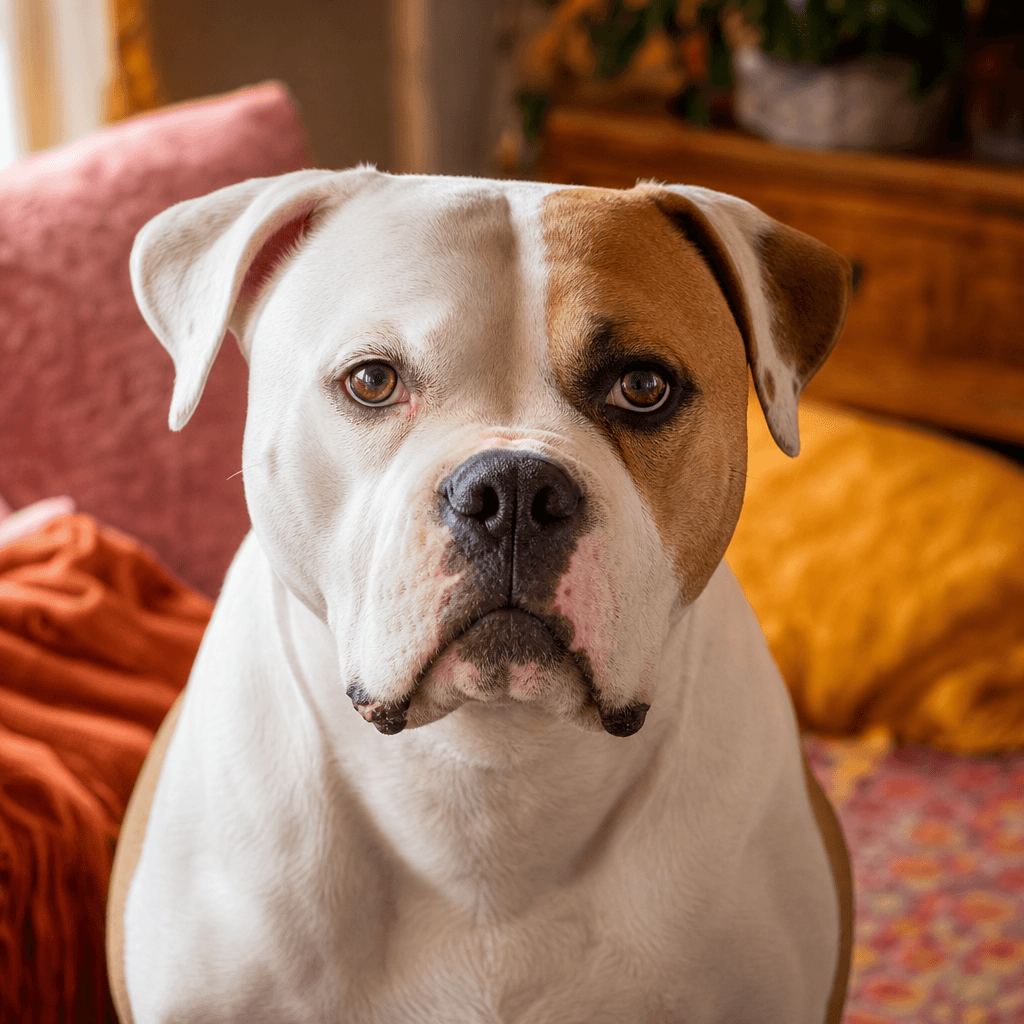
Is an American Bulldog right for you?
14 quick questions
Question 1of 14
How much real exercise can you provide most days?
The ideal answer: 90 minutes+ of brisk walks, play, and training
Sun isn’t up yet, shoes on, and there’s a blocky head vibrating at the door. You knock out a brisk 45 minutes before work, mix in 5–10 minutes of obedience and tug, and he settles. After work, another 45 minutes with hills, scent games, or a flirt pole session, and you’ve got a puddle of bulldog snores by 9 p.m. This schedule keeps muscles happy and minds quiet.
Watch the gotchas: heat and joints. He’s powerful but not heat-proof, and those thick shoulders take a pounding. Keep high-impact stuff short and surface-conscious, and avoid repetitive stairs/fetch marathons until growth plates close (~18 months). On scorchers, split the work into dawn/dusk and add indoor training and nosework.
Rule of thumb: two real outings a day, plus 10–15 minutes of brain work.
Line up a front-clip harness, a 30‑ft biothane long line for fields, and a flirt pole this week—your future self thanks you.
Question 2of 14
Where will this dog live?
The ideal answer: House with a secure fenced yard
The back door clicks and 80 pounds of muscle does a victory lap before flopping in a sunny patch. He hauls logs, patters the fence line, then thumps down to chew. A yard makes life easier—potty breaks are simple and zoomies stay out of your hallway—but it’s not exercise. You’re still clocking real walks.
Use the yard without letting it use you:
- 6‑ft solid fence, gate locks, no gaps under shrubs.
- Shade, fresh water, and a dig zone so your garden isn’t the sandpit.
- Gravel strip or interior barrier to curb fence‑running if he argues with passersby.
- Supervised outside time—this breed will patrol and posture if left to self‑assign.
Do a weekend fence audit: walk the perimeter, wiggle panels, and add a padlock. Your future self won’t be chasing a very proud, very fast escapee down the block.
Question 3of 14
Your experience with strong, guardian-leaning breeds is…
The ideal answer: Solid experience with large working/guardian breeds
You’ve handled dogs who come with opinions, so the pushy, clownish phase doesn’t rattle you. You set rules on day one—no door launches, no couch claims, food delivered for work—and he relaxes because someone finally speaks fluent bulldog. This is a good fit.
Refresh the tools that keep these dogs easy to live with:
- Early muzzle conditioning (for vet visits, not vibes).
- Rock‑solid recalls on a long line, then under mild distraction.
- Calm handler greetings—he’s strong; you control the optics.
- Crate/rotate skills in case visiting dogs or future housemates happen.
Expect the adolescent test window around 8–24 months, when he tries louder greetings, selective hearing, and body‑blocking. You know that’s normal; you’ll out‑consistency him. Line up a reputable working‑breed class now to keep your timing sharp.
Question 4of 14
Be honest: how do you like to train?
The ideal answer: Short, reward-based sessions plus clear rules
Five minutes, a fistful of chicken, and a clear picture—this dog buys in. You keep sessions short and snappy, park rules simple and consistent, and you trade for toys rather than prying them from a jaw that could open cans. The payoff is fast: loose leash, four on the floor, and a dog who checks in because it works.
The trap is drilling. He’ll tune out if you hammer sits for 15 minutes. Rotate food, toys, and sniff breaks, and pair your rules with management—baby gates, leashes indoors, and a default “place” for visitors. If someone in the house freelances the rules, you’ll see it at the door first.
Keep it to 5–10 reps, end while he still wants more, then change the picture.
Tonight, teach a 30‑second mat settle three times between TV segments—you’ll use it a hundred times later.
Question 5of 14
From 8 weeks to 18 months, can you commit to…
The ideal answer: Weekly classes + frequent neutral exposures
Every week looks like small, boring field trips that add up—hardware store perimeters, cafe patios at off‑hours, calm hangs outside a kids’ game. You’re building a dog who sees the world and shrugs. For this breed, neutrality beats “social butterfly.”
Aim for one class a week plus 2–3 short exposures in different places. Keep greetings limited and tidy; let him watch more than he meets. Pair it with obedience—loose leash past barking dogs, settle on a mat near carts, vet‑style handling with cookies.
Goal: he notices; you pay for calm; you leave before it unravels.
The bite comes at adolescence when he gets bold—don’t escalate the difficulty to “fix” it. Step back, create distance, and bank wins. Book those classes now and make a list of five neutral spots you can visit for 10 minutes each.
Question 6of 14
What are you hoping for with other dogs?
The ideal answer: Happy as an only dog
One dog, all your attention—he thrives. Many American Bulldogs are dog‑selective as they mature, so a solo setup lets you skip roommate politics and enjoy training, hiking, and silly couch routines without refereeing.
You still plan for the outside world:
- Leashed, neutral passes with neighborhood dogs, not meet‑and‑greets.
- A reliable “behind me” and U‑turn for loose‑dog surprises.
- Muzzle‑happy for vet/groomer just in case.
Expect his dog opinions to sharpen around 2–3 years old. That’s normal. It doesn’t mean he can’t walk past dogs; it means you handle the environment and don’t collect strange canine friends. Start building that U‑turn this week on quiet streets—cookies, pivot, go.
Question 7of 14
Any cats, rabbits, chickens, or pocket pets at home?
The ideal answer: No small pets now or planned
No tiny projectiles in the house keeps life simpler. You don’t have to micromanage doors or supervise every hallway because a tail flipped and a rabbit bolted. With this breed’s prey drive, that’s a win for everyone’s blood pressure.
Use the space you saved on gates to teach ironclad “leave it” and calm behavior around squirrels and birds outside. Those habits matter the day you visit a friend with cats or walk past backyard chickens.
This week, start a “look at that, then back to me” game around wildlife—10 treats, 10 reps, done.
Question 8of 14
Who’s at home now or soon?
The ideal answer: Adults/teens or kids 10+ who follow rules
Rules stick in this house, and that’s gold. Older kids who can hold still hands, park toys, and close gates make living with a muscular goof simple. He sprawls by homework time, hauls himself up for backyard fetch, and understands that couch invites are earned.
Still, mass matters. Tail‑whips bruise, and a head under an elbow can flip a plate. Set a few family non‑negotiables:
- No hugging, no riding, no face‑to‑face grabs.
- Doorbell = dog to bed/place, humans handle the chaos.
- Friends get the script before they step in.
Write the rules and stick them to the fridge tonight. You’ll thank yourself when a friend’s kid bolts through the door and your dog stays planted.
Question 9of 14
On a typical weekday, the dog would be alone…
The ideal answer: Rarely — someone’s usually home
Someone’s home most days, so he naps where the people are and trots over for head bumps between Zoom calls. That takes the edge off for a people‑oriented dog. Use the gift to prevent cling: build in alone time on purpose so he doesn’t panic the first real day solo.
Run a daily 10–20 minute “you leave, he chills” routine with a food‑stuffed Kong and a camera on. Rotate chews, scatter‑feed breakfast, and keep arrivals low‑key. If he shadows one person, let that person be the one who sometimes leaves while others stay—mix it up.
Start today with a short, boring absence and a frozen Kong. You want this to be routine before he ever has to do a full morning.
Question 10of 14
How will you keep this strong dog safely contained outdoors?
The ideal answer: 6-foot secure fence, locked gates, supervised time
Six feet of real fence and a padlocked gate keep everyone out of headlines. He can patrol, sunbathe, and trot zoomies without sampling the neighborhood. You still supervise—this breed will take a job if you leave one.
Quick checklist:
- 6‑ft, no gaps, gates that lock.
- Reinforce low spots; add dig guards if he’s a landscaper.
- Shade and water; no toys left to guard along the fence.
- Teach a recall on a long line before any off‑leash yard time.
Invisible fences are a poor match for prey drive; they fail exactly when squirrels appear. Walk the fence this weekend and add a combo lock—delivery drivers love an open gate.
Question 11of 14
How do you feel about hair and drool?
The ideal answer: Hair on clothes and some drool are fine
You keep towels by the water bowl and wear hair like glitter. That works here. Short coat doesn’t mean no shed—your robot vac will earn its keep—and he’ll sling a drool arc after a big drink just to personalize the walls. If that makes you laugh, you’re set.
A light routine keeps it sane:
- Weekly rubber curry/ZoomGroom and a microfiber wipe‑down.
- Nails every 2–3 weeks; big dogs hate long nails.
- Quick ear check and skin scan—bulldog skin can be opinionated.
- Silicone mat under the bowl; slobber towels on hooks.
Plan on vacuuming 2–3 times a week and keeping a towel on doorknobs. Toss a couple of cheap hand towels in your cart today; they’ll live by the water bowl.
Question 12of 14
An unexpected $2,500 orthopedic or eye surgery would be…
The ideal answer: Covered — savings and/or pet insurance
You’re set up to say yes when the bill lands. That matters with a big, athletic dog who can pop a cruciate or need an eye fix. Pair savings with insurance early so exclusions don’t bite you later. You’ll sleep better for it.
Typical costs to plan for:
| Issue | Ballpark |
|---|---|
| Cruciate (TPLO) surgery | $3,000–5,500 per knee |
| Cherry eye/entropion (per eye) | $500–1,500 |
| Allergy meds (monthly) | $50–150 |
| Emergency visit | $300–1,000+ |
| Insurance premium | $40–90/mo |
Pick a policy before the first vet flags “allergies” or “cherry eye.” Start a sinking fund anyway—deductibles, rehab, and the weird one‑offs always show up.
Question 13of 14
Most days outdoors feel like…
The ideal answer: Temperate, with AC/heat at home
Mild days mean longer sniff‑walks and easier training windows. He’ll still overheat faster than a long‑nosed runner, so you keep summer midday short, carry water, and stick to shade. Winter? A brisk coat and warm house do the job.
Watch for heavy panting, a wide tongue, and lagging—bulldogs try to power through. Asphalt temps matter more than air numbers.
Five‑second rule: press your hand to the pavement; if it burns, it’s too hot for paws.
Grab a cooling mat and a collapsible bowl before the first warm spell so you’re not improvising with your coffee cup.
Question 14of 14
Any housing or insurance restrictions where you live?
The ideal answer: Homeowner/landlord and insurer have cleared the breed
The paperwork’s already on your side. With some insurers and cities lumping American Bulldogs into “restricted” buckets, written approval is worth its weight in Kongs. Save copies in the cloud and on your phone.
Add a little PR: basic manners in public, a well‑fitted collar with ID, and maybe a Canine Good Citizen certificate. If rules change, you’ve got proof you did your part.
Email your landlord/insurer today to confirm the file has your dog’s breed listed and approved—future moves go smoother when you keep receipts.
Your result
Answer the 14 questions above and your match score appears here.