Alaskan Malamute Match Quiz
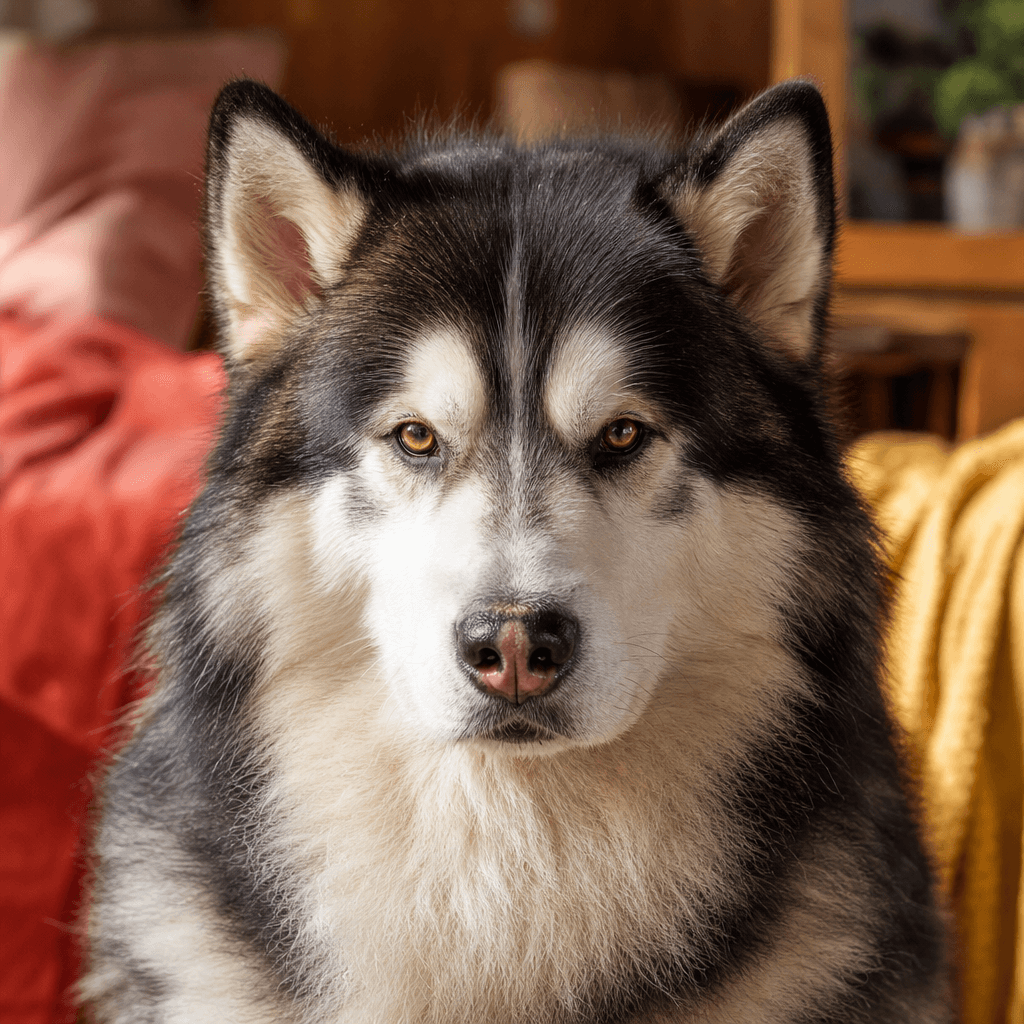
Is an Alaskan Malamute right for you?
15 quick questions
Question 1of 15
How much time can you commit to real exercise each day?
The ideal answer: 90–120 minutes of real work most days
Dawn is when the engine really turns on. You clip in a canicross belt, and that big sled dog settles into a steady trot for 45–60 minutes before the sun warms the pavement. In the evening you’re back out for another hour—loaded pack walk, bikejor on quiet paths under 60°F, or hill repeats tugging into a proper harness. This isn’t “around the block”; it’s work.
On home days, you add scent puzzles, a flirt pole sprint set, and 10 minutes of obedience with real rewards. Skijor in winter. Long-line recalls in a fenced field. Miss two days in a row and you’ll meet the excavation crew in your yard and a midnight “woo-woo” protest. Rotate hard/easy days to protect joints, and keep any running to cool hours.
Gear adds up fast:
- Pulling harness + bungee line: $120–180
- Running belt/bikejor adapter/booties: $100–150
- Cooling breaks, water, paw balm: $20/month
Rule of thumb: under 60°F, aim for 6–8 miles of purposeful trot most days; over 65°F, switch to brains + short shaded sessions. Puppies wait on real mileage until growth plates close. Lace up—your Mal is built for this.
Question 2of 15
What best describes your home setup?
The ideal answer: House with a large, 6-ft+ secure, dig-proof yard
A tall, solid fence changes the day. You open the door, and a snow dog clocks into “yard patrol”—sniffing fence lines, rolling in drifts, then collapsing in a shady spot like a shaggy rug with opinions. With 6–8 feet of dig-proof barrier and locked gates, you have a safe decompression zone between real workouts.
Expect testing. They’ll check for soft soil by the corners, learn latch mechanics faster than you, and treat snowbanks as ladders. Set pavers or buried hardware cloth 18–24 inches along the base, add self-closing hinges, and audit gate locks after deliveries. Supervise the first 30 days so habits form your way, not theirs.
Quick monthly routine:
- Walk the perimeter after storms; fill dig starts
- Trim shrubs off the fence (climb boosts)
- Clear stacked items/snow from the fence line
A secure yard isn’t a substitute for real work, but it buys sanity. Next step: add a double-gated entry (“airlock”) so door-dashes turn into awkward pauses, not neighborhood tours.
Question 3of 15
Your summers are…
The ideal answer: Cool to cold, with reliable AC at home
Cold mornings feel like a permission slip. You’ll trot past frosty lawns while that plume tail flags happily, then come home to a house that’s cool and quiet. With reliable AC for the odd warm day, you can keep real work on the calendar year-round—long hikes, skijor, bikejor, pack walks without heat math.
Don’t waste the gift: stack the training when temps sit between 20–55°F. In warmer spells, shift to dawn and tack on brain work indoors. Even cold-loving dogs can overheat if you push pace under a heavy coat on sunny days, and snow turns fences into springboards.
Winter rule: assess fences after every big snowfall; drifts create exits.
The bite most folks miss? Spring mud and blowout season arrive together. Plan towel stations and a garage brushing zone. Keep the AC on standby for shoulder-season spikes, and you’ll keep that snow dog comfortable while you enjoy the smug joy of empty midday trails.
Question 4of 15
Be honest: undercoat management looks…
The ideal answer: I’m ready for 3–4 brush-outs weekly; daily during blowouts
You’ll set up a grooming corner like a pit crew. Undercoat rake, slicker, metal comb, nail grinder, and a high‑velocity dryer live within reach. Three to four brush‑outs a week (15–20 min) keep things moving; during spring/fall blowouts, expect daily sessions of 20–30 minutes. The dryer is the cheat code—it blasts out dead coat before it mats.
Baths every 6–8 weeks, thorough rinse, then dry to the skin. Never shave—this coat insulates from heat and sun and grows back funky if you clip it. Watch friction zones: behind ears, armpits, pants, and tail base. A robot vac on a daily schedule and a garage mat for post‑walk shake‑offs save your sanity.
Weekly cadence:
- Brush Mon/Wed/Fri/Sun; nails every 1–2 weeks
- 5‑minute paw and ear check after muddy hikes
- Full blowout station for seasonal sheds
It’s work, but it pays off in a cleaner house and a comfortable dog. Set calendar reminders now, and stash treats at the grooming spot so your Mal trots over instead of vanishing.
Question 5of 15
Fur on the couch, in the car, maybe even in your coffee?
The ideal answer: Small price for a snow dog — bring on the fluff
You’ll keep a lint roller by the door like car keys. Fur confetti shows up on your leggings, the car seats, and, yes, floating past your coffee. You shrug, swipe, and get on with it because the trade—snow dog sprawled snoring by the couch—is worth it. This is a high‑shedding home by design.
Make it easy:
- Seat covers you can hose off
- Washable throws on the sofa; swap weekly
- Robot vac daily + upright vac twice a week
- Dryer lint trap check every load
Blowout season hits like a snow globe. Plan a 20‑minute patio brushing session most days for 3–4 weeks and run an air purifier ($200–400 one‑time, filters ~$40/6 months). You’ll still find hair on a birthday cake once in a while. Laugh, slice, and carry on.
Action for today: throw two lint rollers and a pack of grooming gloves in your cart. You’ll use them all.
Question 6of 15
What are your off-leash expectations?
The ideal answer: Leash life is fine; I’ll use long-lines and secure fields
Long lines become freedom on a reel. You’ll hit fields at 7 a.m. with a 30–50 ft line, practice recalls and direction changes, then switch to structured hikes on leash the rest of the week. Fenced ballfields after hours, rented private spaces, and secure trails feel like secret superpowers. You don’t bet on off‑leash in open country with this breed.
You’ll teach a rock‑solid “check in,” “let’s go,” and an emergency stop—because management fails sometimes. Fit a well‑padded harness, use two attachment points in busy areas, and clip gates behind you by habit. You’ll get side‑eye from people whose retrievers ghost you off‑leash; smile and let their luck be their plan.
The trade-off is peace of mind. Independence and prey drive don’t vanish with training, but you’ll keep that brain busy and the body tired, safely. Book a fenced-field membership now and order a biothane long line that glides and cleans easily.
Question 7of 15
Any cats, small dogs, or backyard chickens in the mix?
The ideal answer: No small pets here; just humans (and maybe big dogs)
Great—fewer landmines inside the house. You’ll still manage doors and food smells, but you’re not refereeing cat chases or bunny fascinations in your living room. With big dogs, choose temperament over size and aim for opposite‑sex pairings; Malamutes can be choosy with same‑sex housemates.
Feed separately, pick up chews, and run structured intros—parallel walks first, then short house sessions on leash. Predatory drift is real when play escalates, even between big dogs; be the adult in the room and end it before side‑eye turns into a snark.
Outside, neighborhood cats and squirrels are the real triggers. Double‑check gates, use secure trash, and keep a solid “leave it” and U‑turn. The lack of small pets makes management simpler, not optional. Book a trainer‑led intro if you’re adding a second dog; it’s cheaper than a vet bill.
Question 8of 15
What’s your plan for your Mal around other dogs?
The ideal answer: One-dog home or a compatible opposite-sex dog; structured meets
Calm households and planned intros are where Mals shine. If you add a second dog, opposite‑sex and compatible temperament is your best bet. Start with parallel walks, swap scents, and keep first house visits short and leashed. Feed, rest, and chew separately; you’ll prevent the most common sparks.
Expect adolescence (8–24 months) to change opinions. That sweet teenager can develop big feelings about space and status. Have crate‑and‑rotate skills in your pocket and don’t do on‑leash greetings with randoms; this breed doesn’t collect “dog friends” by volume.
What trips people up is getting casual after a few good days. Keep structure even when it’s going well, and use a trainer for the first meet if you’re unsure. Dog parks stay off the menu; curated play with one steady partner beats a crowd every time.
Question 9of 15
On a typical weekday, your dog would be alone…
The ideal answer: 0–4 hours (flex schedule, walker, or daycare as needed)
Short stretches alone pair well with a working breed. You’ll do a real morning workout, drop a frozen Kong and a chew, and be back before the nap wears off. This keeps vocals and door‑scratching from becoming a hobby.
Early days still need practice. Start with 5–15 minute out‑and‑backs, camera on, white noise running, and a covered crate or x‑pen where the dog can settle. Rotate food toys so today isn’t yesterday’s puzzle, and save the special stuff for departures. If you need a longer day, a trusted walker breaks it up without the daycare chaos many Mals hate.
The trap to avoid is “they’ll be fine” because they were fine once. Rehearsal builds habits—good and bad. Keep the routine boring and predictable. Line up a walker and a stash of Kongs now so you’re not scrambling on your first long meeting day.
Question 10of 15
Give us your honest large-breed experience check-in:
The ideal answer: I’ve handled strong working breeds and enjoy training
You already know that 90 lbs on the end of a leash is physics, not vibes. You’ll channel the pull into canicross, teach a clean “out” on tug, and run a house where doors, food, and greetings have rules. Consistency buys you the Malamute you wanted, not the one YouTube warned you about.
Expect pushback around 8–18 months—selective hearing, testing thresholds, same‑sex grumbles. You’ll answer with structure, reps, and outlets, not louder cues. Avoid harsh corrections that sour the relationship; this breed is independent, not stubborn.
Stack your toolbox: biothane long line, pulling harness, crate, mat training, and a pro for sport foundations. The bite that surprises even experienced folks? Containment skills. Audit fences after storms and snow, and plan crate‑and‑rotate as a normal life skill. Book a sport club intro (bikejor/skijor) this month and put that drive to work.
Question 11of 15
A surprise $1,200 vet bill — plus big-dog food and gear — would be…
The ideal answer: Covered — savings or pet insurance in place
You’re ready for the big‑dog column in the spreadsheet. Food runs $90–150/month for quality kibble, more if you go fresh. Insurance is $50–80/month and earns its keep with this size; that surprise $1,200 bill becomes a deductible and a sigh. Grooming gear up front is ~$150–250; a pro groom for blowouts runs $120–200.
What people miss: big‑dog extras. A sturdy crate is $150–400, crash‑tested car restraint $300–700, and a pulling setup $120–180. Hip, elbow, or cruciate repairs are four‑figure events; insurance or savings cushions those hits.
Quick snapshot:
| Item | Ongoing |
|---|---|
| Food | $90–150/mo |
| Insurance | $50–80/mo |
| Groom (pro, as needed) | $120–200/visit |
You’ve got the buffer this breed quietly demands. Next step: price a crash‑tested car crate or harness and pick one before the first road trip.
Question 12of 15
How do you feel about a talky, howly dog?
The ideal answer: Love it — our household (and neighbors) can handle noise
Get ready for morning “woo‑woo” commentary and dinner debates. If your neighbors and household are game, it’s a lot of fun—this breed talks with vowels. Still, put cues on it so the bit stays a bit. Teach “speak” on cue, then “quiet” with a hand signal and paid calm.
Management keeps the novelty charming:
- Frosted window film for barky window triggers
- White noise near shared walls at nap times
- A decompression walk before you jump on long calls
Even talk‑friendly homes benefit from rules. The first time the mail carrier gets a full operatic set, you’ll wish you’d trained “enough.” Make a game of it tonight: three barks on cue, then quiet, then jackpot for five seconds of silence.
Question 13of 15
When Saturday rolls around, what sounds right?
The ideal answer: Long hikes, snow play, skijor/bikejor in cool temps
This is where a Malamute smiles with their whole body. You’ll load a pulling harness, padded belt, booties, and a thermos, and hit snowy trails or crisp‑air paths while your dog settles into a rhythmic pull. Cold weekends are your playground—long hikes, skijor, or bikejor in safe temps.
Keep it smart:
- Work under ~60°F; rest often in sun
- Pack water, high‑value snacks, and paw balm
- Check shoulders and wrists post‑run; add a rest day
Expect a content heap of fur snoring by the fire afterward. The bite? Summer cuts adventures short—early alarms and shaded routes become non‑negotiable. Join a local mushing or joring club and borrow gear before you buy; your dog’s grin will tell you when it’s time to invest.
Question 14of 15
Who’s in your household?
The ideal answer: Adults and teens — calm, consistent household
Calm routines suit this dog. Teens can tag‑team workouts—one runs canicross at dawn, another handles evening pack walks and grooming. House rules stick, doors get latched, and chews live in designated spots. That consistency keeps a big, independent dog easy to live with.
Don’t skip the “friends over” briefing. Excited teens plus a fluffy freight train can get rowdy fast. Park baby gates to manage door rushes, store backpacks and snacks out of reach, and teach guests to ignore the woo‑woo serenade until all four paws are on the floor.
Make a chore board now: brush outs, water checks, yard scan, and nail‑trim training. Everybody owns a piece of the sled.
Question 15of 15
Be straight: what’s your containment plan?
The ideal answer: 6-ft+ fence, dig barrier, locked gates, supervised yard
You’ll sleep better with a real perimeter. Six‑to‑eight‑foot fencing, buried dig guards (18–24" hardware cloth), self‑closing, locked gates, and an “airlock” at the back door turn door dashes into awkward pauses. Supervise yard time—this breed learns latches and treats snowbanks as ladders.
Do a monthly audit: check for tunnels at corners, wobbly panels after storms, and stacked items near the fence. Consider coyote rollers if you’ve got a climber and keep ID + microchip current. Winter adds a wrinkle—shovel down drifts along the fence before the dog shows you why.
The first clean year of zero escapes teaches the right habit: home base is home. Put reminders on your calendar now—perimeter walk on the first Saturday each month. Future‑you won’t be chasing a plume tail down the block.
Your result
Answer the 15 questions above and your match score appears here.