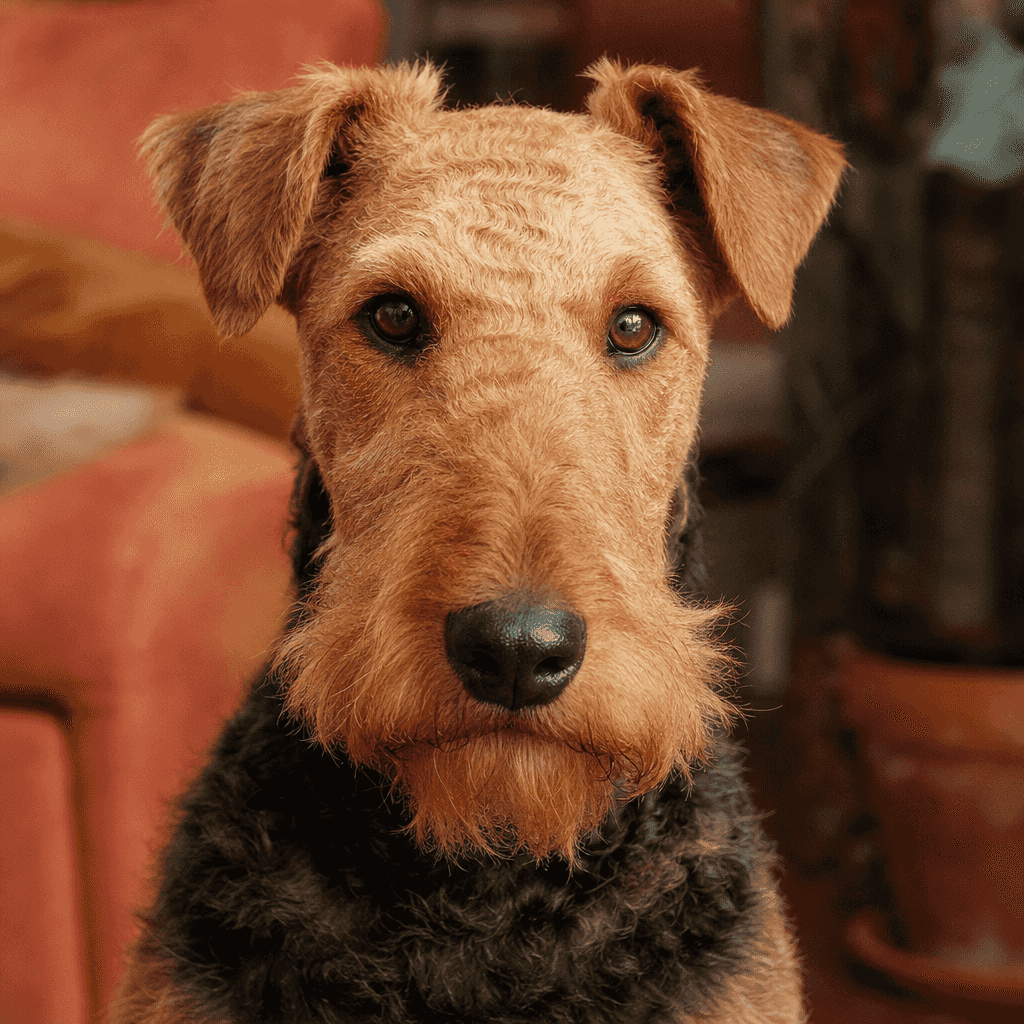
Welsh Terrier Match Quiz
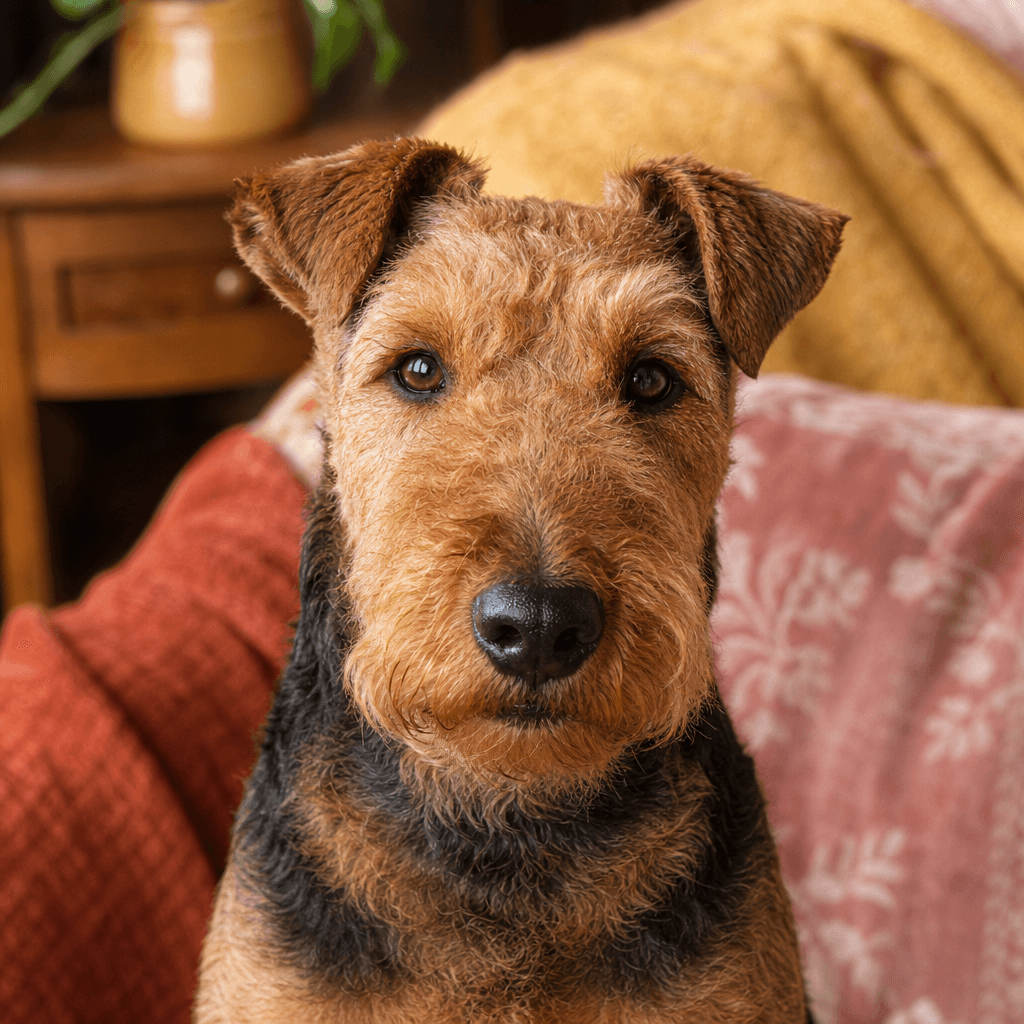
Is a Welsh Terrier right for you?
14 quick questions
Question 1of 14
What does an ideal Saturday with your dog look like?
The ideal answer: Long walk or hike, training games, fetch in the yard
That plan is exactly a Welsh Terrier’s idea of a good time. With 60–90 minutes of mixed physical and mental work, you’ll see the bright, bouncy companion people rave about. Keep sessions varied — a sniffy walk, a few tricks, a flirt-pole sprint — and you’ll have a relaxed dog by evening.
Question 2of 14
What’s home base like?
The ideal answer: House with a securely fenced yard
Perfect. A solid fence gives a Welshie space to zoom and sniff without testing your recall. Add supervision the first weeks and block escape artists’ tricks (under, over, between), and you’ll enjoy the yard without heart palpitations.
Question 3of 14
How do you picture off-leash time?
The ideal answer: Happy to keep freedom to fenced areas
Great call for a hunting terrier. Dog parks at off-peak hours, secure fields, and your own yard deliver the fun without the risk. You’ll still train recall — you’ll just never bet safety on it.
Question 4of 14
What’s the small-animal situation at home?
The ideal answer: No small pets; maybe a dog-savvy adult cat
This is the easiest setup. With no squeaky targets at home, you’ll channel prey drive into toys, scent games, and flirt-pole play. A confident cat can coexist if you control door dashes and supervise until the novelty wears off.
Question 5of 14
Be honest: how do you like to train?
The ideal answer: Short, positive sessions — I’m consistent and patient
You’re speaking terrier. Five-minute bursts, great treats, and clear boundaries will show you how clever this breed is. Layer in impulse-control games and you’ll turn spark into polish.
Question 6of 14
The wiry coat needs weekly brushing and hand-stripping every 8–12 weeks. Your plan?
The ideal answer: Budget for a pro, or I’ll learn to hand-strip
Perfect. With proper stripping plus weekly brushing of the leg furnishings and beard, you’ll keep the low-shed, weatherproof coat the breed is known for. Expect salon visits or practice sessions every couple of months.
Question 7of 14
How important is “hypoallergenic” to you?
The ideal answer: A little hair/dander is fine — lint rollers at the ready
That outlook fits the breed. With regular stripping and cleaning, most owners call shedding minimal and easy to manage. Keep bedding washed and a HEPA filter running if you’re sensitive to dust.
Question 8of 14
Barking — how much can your home and neighbors handle?
The ideal answer: We can handle a chatty dog, and we’ll train “quiet”
Great — that’s the recipe. Pair impulse-control games with a paid “quiet” cue and preempt boredom with enrichment. Your dog gets to be a watchdog without becoming the neighborhood town crier.
Question 9of 14
How would you feel about a bit of terrier archaeology?
The ideal answer: I’ll provide a dig pit and don’t mind some holes
Perfect attitude. Bury toys in a sandbox or designated corner and praise digging there, while blocking garden beds with fencing. A tired terrier plus a legal dig zone keeps your landscaping and your sanity intact.
Question 10of 14
On a typical weekday, your dog would be alone…
The ideal answer: Rarely — someone’s usually home
Lovely. With company nearby and a morning workout, you’ll get the best of the breed’s companionship. Expect a shadow under your desk, punctuated by toy deliveries.
Question 11of 14
What best describes your household?
The ideal answer: Adults and/or kids 7+ who follow rules
That’s prime Welshie territory. Channel the energy into tricks, scent games, and shared chores like feeding and brushing, and you’ll have a tireless buddy for family adventures.
Question 12of 14
An unexpected $800 vet bill and regular grooming costs would be…
The ideal answer: Covered — savings or pet insurance in place
You’re set up for success. Stripping can run $100–$200 per session, and active dogs sometimes collect scrapes or need dental cleanings as they age. With a cushion or a good policy early, surprises stay manageable.
Question 13of 14
Your typical climate is…
The ideal answer: Mild to cool — lots of brisk days
Ideal. You’ll enjoy long, lively walks without overheating worries, and the coat sheds rain beautifully when maintained. A drying rub and a quick brush handle most weather days.
Question 14of 14
How excited are you about doing activities together?
The ideal answer: Very — classes or structured games most weeks
Music to a Welshie’s ears. Rotate agility foundations, nosework hides, and trick-chaining and you’ll see that famous sparkle. The bonus: a mentally worked terrier is quieter, steadier, and easier everywhere.
Your result
Answer the 14 questions above and your match score appears here.