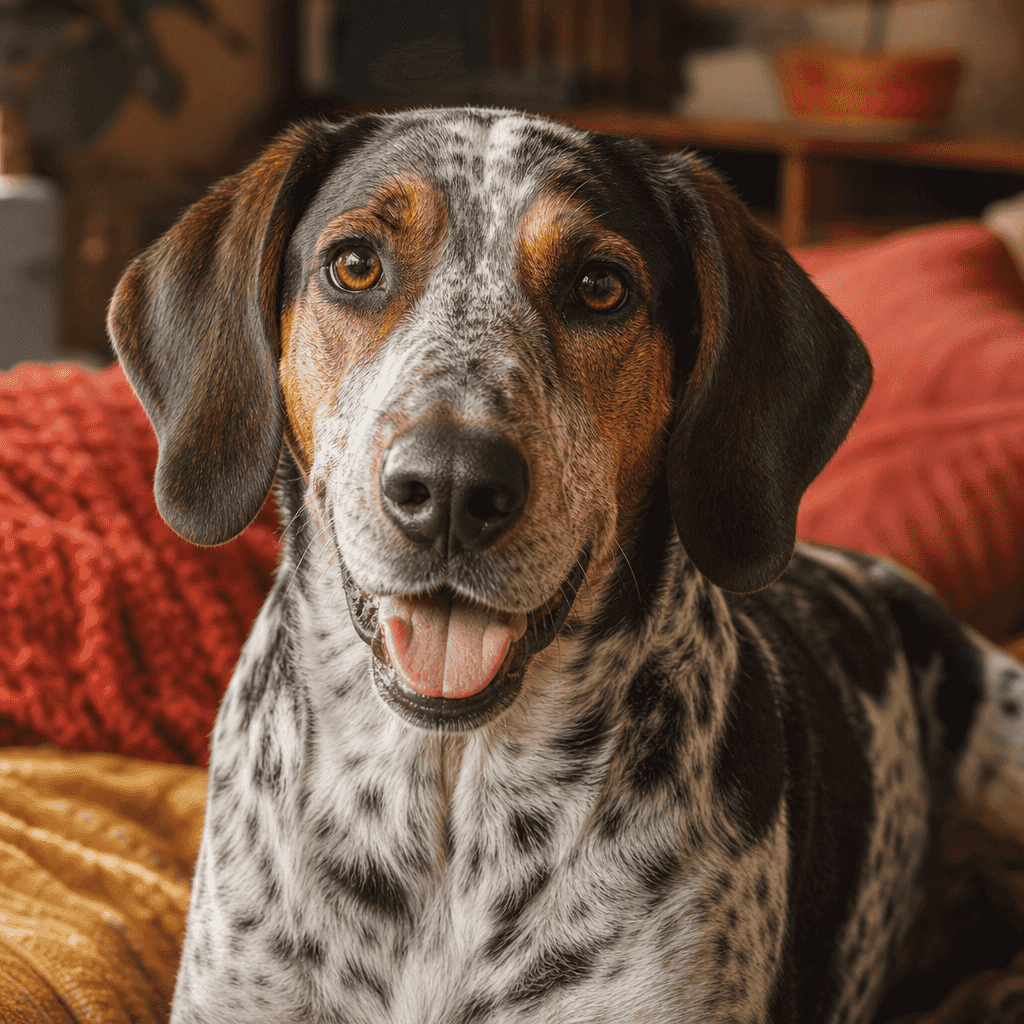
Welsh Springer Spaniel Match Quiz

Is a Welsh Springer Spaniel right for you?
16 quick questions
Question 1of 16
How do weekends usually move at your place?
The ideal answer: Hikes, long walks, maybe a run and a swim
Perfect — that’s the breed’s wheelhouse. A Welsh Springer will clock miles with you, splash through any water it can find, and still have a wag for training games back home. You’ll see their best manners after they’ve burned off that field-bred energy.
Question 2of 16
On a typical weekday, how much active time can you give?
The ideal answer: Around 90–120 minutes, reliably
That’s right on target. Break it into a brisk morning walk, an evening outing, and 10 minutes of training or scent games and you’ll have a responsive, relaxed dog at home. Consistency matters more than intensity.
Question 3of 16
Where will your dog spend most of their time?
The ideal answer: House with a securely fenced yard
Ideal — a fenced yard gives you a safe place for recall practice, fetch, and quick bathroom breaks. Just remember: yard time doesn’t replace walks and training for this breed; it simply makes your routine easier to keep.
Question 4of 16
How do you picture off-leash time going?
The ideal answer: Leash or long line until recall is rock-solid
Smart plan. Welshies learn fast with positive reinforcement, and structured long-line work builds habits without giving them chances to self-reward by chasing. You’ll earn real off-leash freedom over time, safely.
Question 5of 16
Your training style, honestly:
The ideal answer: Calm, reward-based, and consistent
Perfect match. Your style will bring out the breed’s biddable side, from polite house manners to crisp field cues. Short sessions and generous rewards will keep your Welshie tuned to you even in distracting environments.
Question 6of 16
What do you expect around guests and busy places?
The ideal answer: Calm introductions; dog can hang nearby and choose
That’s exactly how this breed shines. Let your Welshie warm up at their own pace and you’ll see polite curiosity turn into affection. Forced handling or party trick greetings, on the other hand, can erode trust.
Question 7of 16
Who’s at home, most days?
The ideal answer: Adults and/or kids 8+ who follow rules
Lovely fit. Teach gentle play, supervised fetch, and proper ear and tail etiquette, and you’ll have a patient, game companion. This breed often bonds hard with school-age kids who join the training fun.
Question 8of 16
On a normal weekday, your dog would be alone…
The ideal answer: Under 4 hours, most days
Great — that suits a people-oriented spaniel. Build a cozy settle routine, leave a food puzzle, and you’ll find they nap hard between outings. Your presence the rest of the day pays off in calm company.
Question 9of 16
How do you feel about regular brushing and ear care?
The ideal answer: I’m fine with brushing 2–3x/week and weekly ear checks
Perfect — that’s the maintenance sweet spot. A slicker brush, metal comb for feathers, and a quick ear clean after wet adventures will keep your dog comfortable and the house reasonably hair-managed.
Question 10of 16
Dog hair reality check:
The ideal answer: A bit of hair is no problem
Then you’re set. Add a dog blanket on the couch and a weekly brush-out, and the shedding becomes background noise. The trade for that glossy, weatherproof coat is a little red-and-white confetti.
Question 11of 16
Do you live with small pets or see lots of wildlife?
The ideal answer: We have confident, dog-savvy cats
That can work nicely with introductions, management, and training. Reward calm behavior, use baby gates at first, and teach a rock-solid “leave it.” Expect curiosity, not malice — and supervise until habits are boringly good.
Question 12of 16
How do you feel about a dog who seeks water and brings home nature?
The ideal answer: Love it — hose, towels, and a doormat are ready
Perfect attitude. Rinse after swims, comb out feathers before the burrs set, and your dog gets the joy without your house getting the aftermath. A spray of coat conditioner makes post-hike cleanup faster.
Question 13of 16
Your local climate is…
The ideal answer: Cool to temperate, plenty of rain
Ideal for this coat. You’ll get year-round play with a quick towel-off and ear dry afterward. The breed’s stamina really shines in crisp weather.
Question 14of 16
Interested in organized training or sports?
The ideal answer: Yes — classes, trials, or field work sound fun
Fantastic. Structured sport or gundog training channels that energy into skills and deepens your bond. Many Welshies become delightful at home precisely because their brain gets a regular workout.
Question 15of 16
How much barking can your home and neighbors tolerate?
The ideal answer: Some alert barking is fine
Great — you’ll likely hear a sensible “who’s there?” and then quiet with a cue. Reinforce a go-to mat and reward calm to keep the soundtrack minimal.
Question 16of 16
An unexpected $800–$1,200 vet bill would be…
The ideal answer: Covered — savings or pet insurance in place
You’re set for the realities of an active spaniel. Insurance taken young helps with big-ticket surprises, and routine ear/dental care keeps the common stuff from snowballing. Budget also for quality food and training classes — they pay dividends.
Your result
Answer the 16 questions above and your match score appears here.