Treeing Walker Coonhound Match Quiz
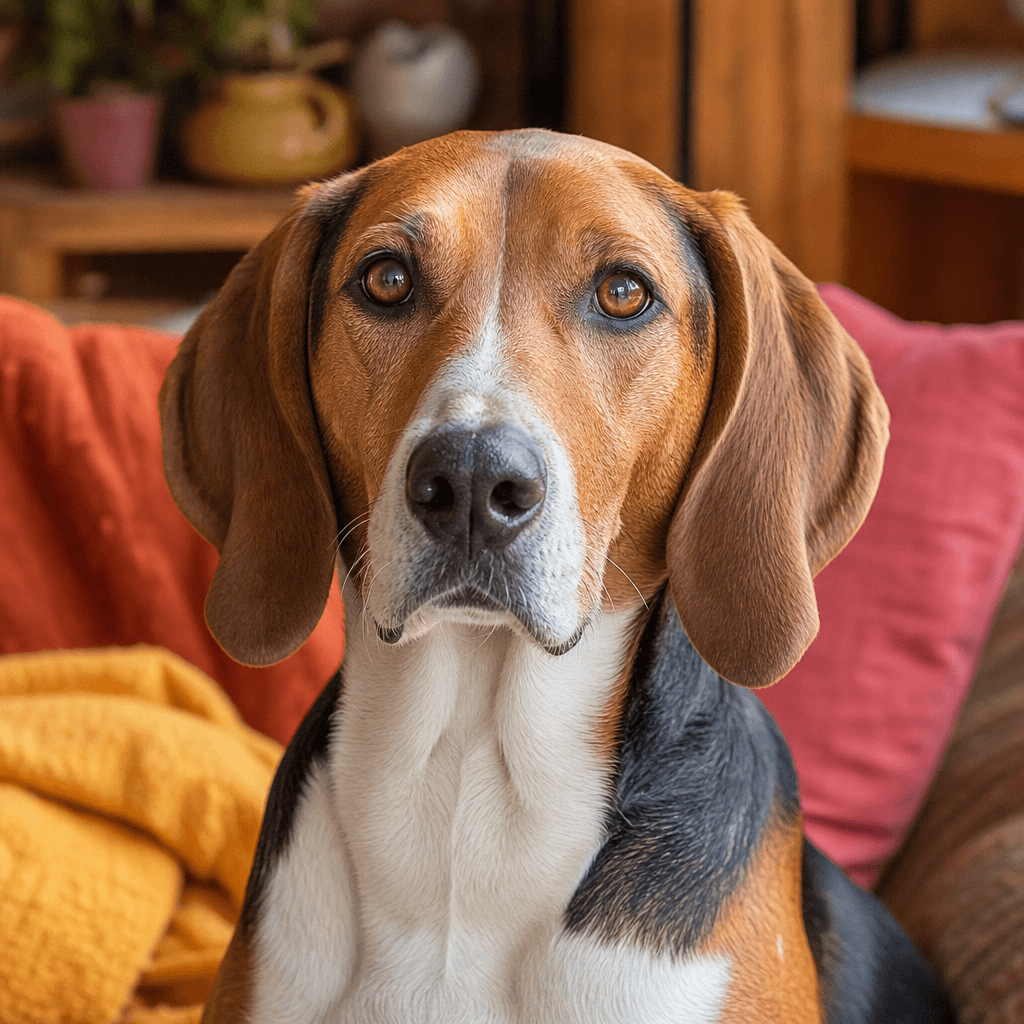
Is a Treeing Walker Coonhound right for you?
15 quick questions
Question 1of 15
How much physical exercise will you reliably provide most days?
The ideal answer: 90–120 minutes of brisk walking, running, or hiking
Perfect — that’s the neighborhood where this hound blossoms. A Walker with daily, vigorous exercise is easier to train, calmer indoors, and far less likely to invent its own sports (like counter-surfing or chorus practice). Rotate routes and surfaces to protect joints and keep the nose engaged.
Question 2of 15
Which best describes your home setup?
The ideal answer: House with a secure, fenced yard
Ideal — a fenced yard won’t replace walks, but it adds decompression time and safe zoomies. Expect to supervise at first; many Walkers test fences and learn the rules best with you present.
Question 3of 15
How do you feel about classic hound music — loud bays and chops?
The ideal answer: I love it — it’s part of the charm
You’re speaking hound. With exercise and enrichment, the bay tends to show up in short, joyful bursts rather than all-day concerts. Teach a cue for “quiet” and provide legal outlets like stuffed Kongs to keep the soundtrack neighbor-friendly.
Question 4of 15
Any cats, rabbits, or other small pets at home?
The ideal answer: No small pets — just people (and maybe dogs)
Great — this removes the hardest management piece. You can still channel the prey drive productively with scent games, tracking, or drag-line searches so the instinct has a safe outlet.
Question 5of 15
What are your expectations about off-leash freedom?
The ideal answer: Leash or long line unless we’re in a securely fenced area
That’s the right mindset. A 20–30 ft long line gives sniffy freedom without risk, and fenced ballfields at quiet hours can be gold for sprints. You’ll avoid the most common hound-heartache: the disappearing act.
Question 6of 15
How do you like to train a dog?
The ideal answer: Short, fun, food-rewarded sessions — I’m patient
Perfect fit. Use sniff breaks as a reward and you’ll see the lightbulb moments click. Walkers trained this way develop lovely manners and a cheerful work ethic without losing their houndy soul.
Question 7of 15
How will you tire out the brain that powers that nose?
The ideal answer: Regular nosework/tracking games, food puzzles, sniffy walks
Excellent — you’re speaking their native language. Scatter feeding, treat trails, box searches, and urban tracking classes all give that seeking system a job. Expect a calmer dog and fewer creative “projects” at home.
Question 8of 15
What’s your containment plan?
The ideal answer: 6-ft solid or privacy fence, dig guards, gates latched
That’s the gold standard for a hound household. Add supervision at first and teach door manners to prevent bolt-throughs. A secure yard turns “I lost my dog” stories into “you should’ve seen today’s zoomies.”
Question 9of 15
On a typical weekday, your dog would be alone…
The ideal answer: Rarely — someone’s home or can stop by
Great — companionship plus a good morning workout keeps a Walker content. Layer in a stuffed Kong and a cozy crate or bed so alone-time feels predictable and safe.
Question 10of 15
What does your household look like?
The ideal answer: Adults or kids 8+, active household
Lovely match. A well-exercised Walker is affectionate, goofy, and generally gentle with school-age kids who respect boundaries. Expect a shadow who rotates between laps and windows to patrol the neighborhood squirrels.
Question 11of 15
Be honest about the grooming routine you’ll keep.
The ideal answer: Weekly brushing, ear cleaning, nails monthly, tick check after hikes
Perfect. A rubber curry or hound glove keeps shedding civilized, and weekly ear care prevents the infections floppy-eared breeds are prone to. Your future self (and your vet bills) will thank you.
Question 12of 15
What climate are you in, and how will you adjust?
The ideal answer: Temperate climate, flexible schedule
Great — you can time big outings for the best hours and keep everyone comfortable. In winter, dry off ears and toes after wet walks; in summer, trade mileage for shaded, sniffy routes at dawn and dusk.
Question 13of 15
How does this ongoing cost picture feel: food for a 50–70 lb athlete, training classes, flea/tick prevention, ear care, and a sturdy fence or GPS collar?
The ideal answer: All good — I’m ready to budget and/or use pet insurance
You’re set up for success. Budgeting for quality food, preventatives, classes, and containment means far fewer emergencies and a happier daily life. If you insure, do it early before any issues become pre-existing.
Question 14of 15
What role do you most want your dog to play in your life?
The ideal answer: An adventure buddy for runs, hikes, and scent games
Bullseye — that’s the Walker sweet spot. Build a routine of miles plus nosework and you’ll have a loyal teammate who snores happily on your feet by evening.
Question 15of 15
If you run or hike, what’s the plan once the dog is physically mature?
The ideal answer: I’ll condition slowly and run 3–8 miles a few times a week
Great plan. Start with vet-cleared age, add mileage gently, and watch paw pads on rough terrain. A post-run cool-down sniff walk turns a workout into a perfect hound day.
Your result
Answer the 15 questions above and your match score appears here.