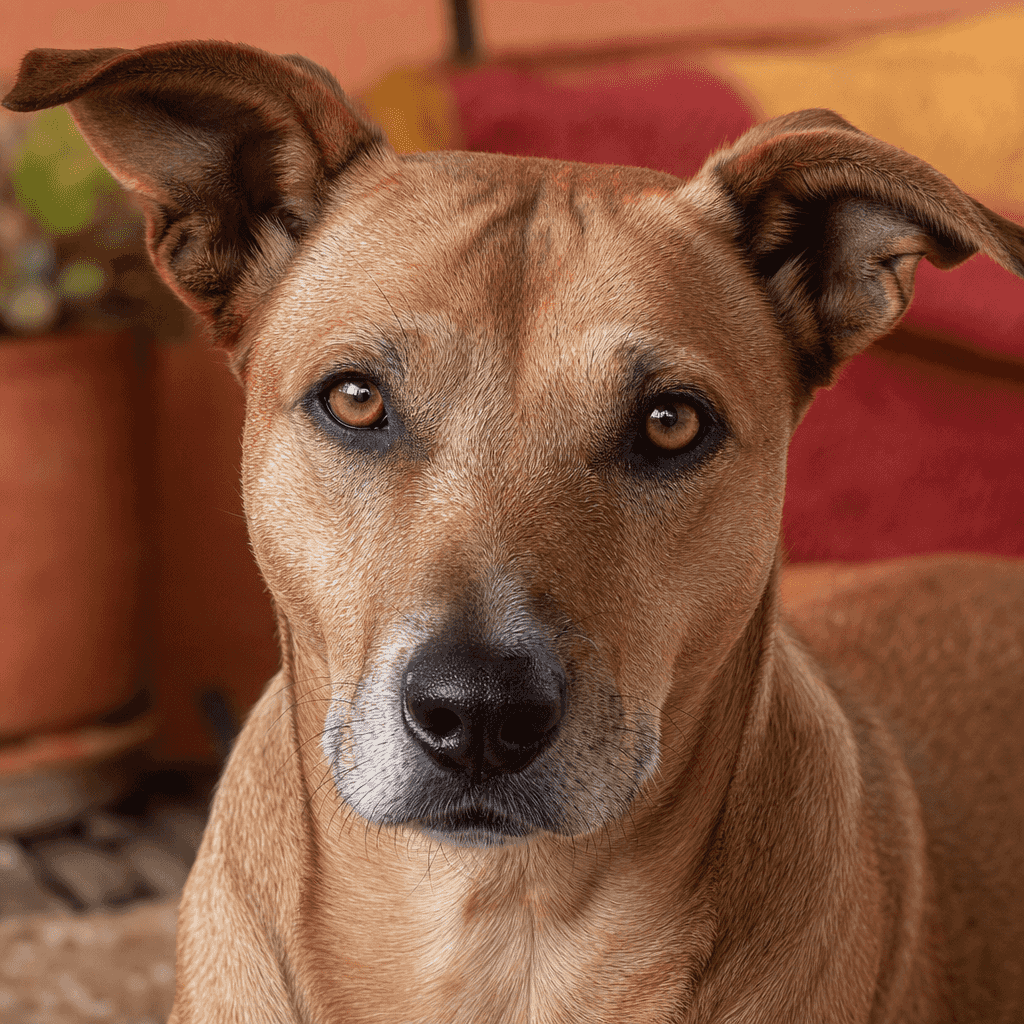
Treeing Tennessee Brindle Match Quiz
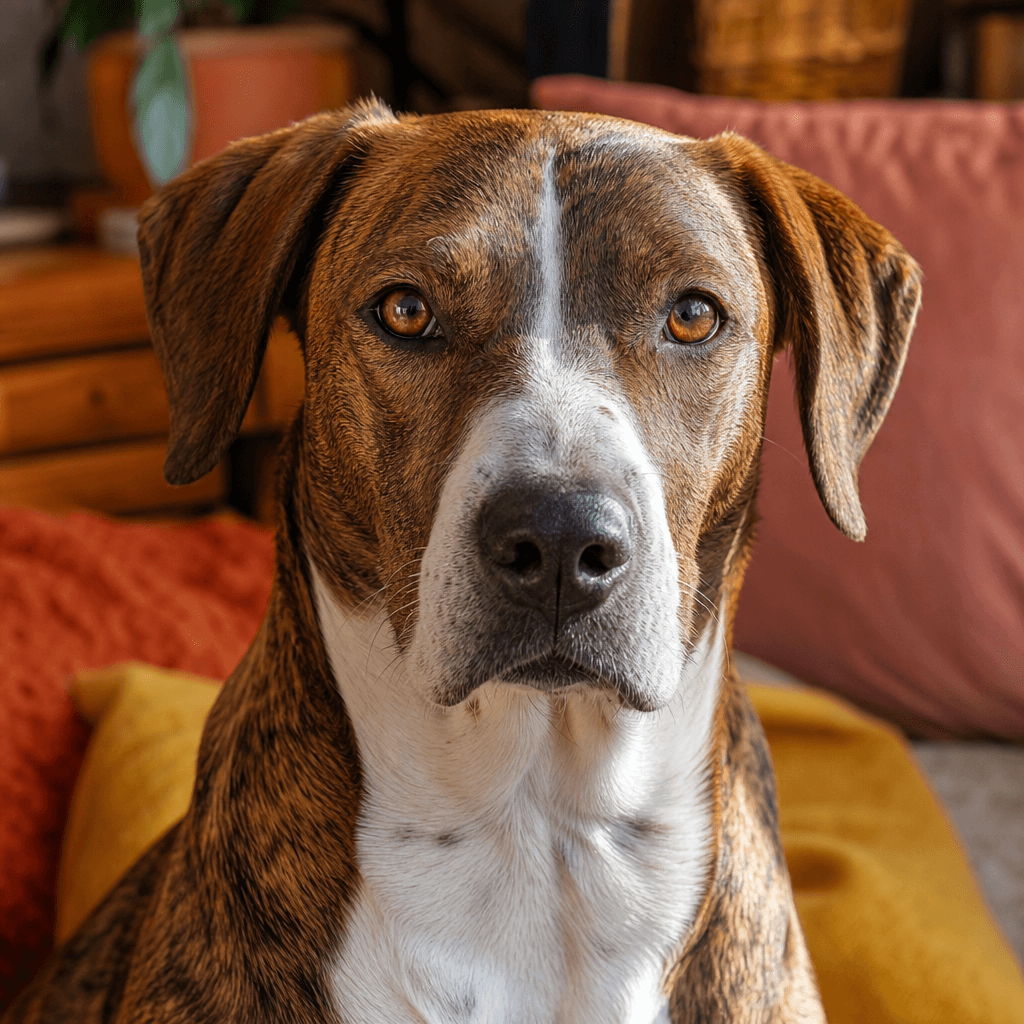
Is a Treeing Tennessee Brindle right for you?
13 quick questions
Question 1of 13
How active are you, most days of the week?
The ideal answer: I run, hike, or train most days
Perfect—your activity level is exactly what keeps this breed balanced. With a brisk run or long hike plus 15–20 minutes of nosework or obedience, a TTB settles beautifully in the house. You’ll love how the dog channels all that drive into partnership when you give it a job.
Question 2of 13
Where will this dog live its everyday life?
The ideal answer: House with a fenced yard
Great—this is the sweet spot. A secure yard lets you do training reps, decompression sniffing, and quick bathroom breaks without risking a scent-driven disappearing act. You’ll still need daily walks and work, but your setup makes life smoother.
Question 3of 13
What containment do you have or plan to use?
The ideal answer: A solid 5–6 ft fenced area
Excellent—this is the gold standard. It prevents door-darting from turning into a county tour and gives you a safe space for recalls, fetch, and decompression sniffing. Add dig guards if your dog proves enterprising.
Question 4of 13
What’s the main "job" you have in mind for this dog?
The ideal answer: Hunting or nosework/track/trailing classes
Fantastic—this is exactly what the breed was built for. Regular field time or scent-sport training channels drive into teamwork, and you’ll see the famous cur brains shine. Expect a calmer, more fulfilled dog at home as a direct result.
Question 5of 13
How do you picture off-leash time going?
The ideal answer: Long line or fenced areas; no off-leash near wildlife
Smart and safe. With long-line practice, tasty rewards, and fenced play, you’ll build a functional recall without gambling on traffic or deer. Many TTB owners live happily by this rule forever.
Question 6of 13
Which describes your approach to training?
The ideal answer: Patient, reward-based, and consistent
Perfect—this is how you unlock a TTB’s brain. Five-minute sessions, jackpots for good choices, and impulse-control games produce a thoughtful worker with great house manners. You’ll see progress stack quickly with your approach.
Question 7of 13
On a normal weekday, this dog would be alone for…
The ideal answer: Rarely—someone’s usually home or the dog comes along
Great—presence plus planned exercise equals a content hound. Rotate chew projects, scatter-feed a meal, and you’ll come back to a dog that’s snoozing, not scheming. This setup prevents most nuisance behaviors before they start.
Question 8of 13
What mix of people will your TTB live with?
The ideal answer: Adults and/or kids 8+ who enjoy being active
Lovely match. A TTB thrives with people who’ll throw, hike, and train, and older kids often become favorite teammates. Teach door manners and how to channel excitement into games, and you’ll have a star companion.
Question 9of 13
Any small animals in the picture?
The ideal answer: No small pets, or I’ll manage strictly
Ideal—management gets easier when you’re not asking a hunter to ignore moving targets indoors. You’ll still use leashes around wildlife and practice calm on sighting squirrels. It’s a simpler, happier life for everyone.
Question 10of 13
How much hound talk can your household and neighbors handle?
The ideal answer: We’re fine with some baying and alert barks
Great—embracing the voice makes life easier. Teach a cue for speak and quiet, and redirect energy into scent games to preempt boredom barking. Neighbors who know your routine are allies, not enemies.
Question 11of 13
Grooming reality check: what sounds right to you?
The ideal answer: Weekly brush, ear checks, nail trims—no problem
Perfect—this is exactly what they need. A rubber curry or grooming glove keeps shedding tidy, and a quick ear wipe after wet or dusty outings prevents infections. Add monthly tick checks if you roam heavy brush.
Question 12of 13
What climate will you be exercising in?
The ideal answer: Mostly temperate, easy to schedule around weather
Ideal—your biggest job is choosing smart hours and watching hydration. In these conditions a TTB can put in real miles and come home content. You’ll spend more time training than weather-proofing.
Question 13of 13
An unexpected $800–$1,200 bill for injuries, ear issues, or diagnostics would be…
The ideal answer: Covered—savings or active pet insurance
You’re set for the realities of an active hound. Policies often pay off for ear infections, laceration repairs, and tick-borne disease testing. With the money piece steady, you get to focus on the fun parts—work and partnership.
Your result
Answer the 13 questions above and your match score appears here.