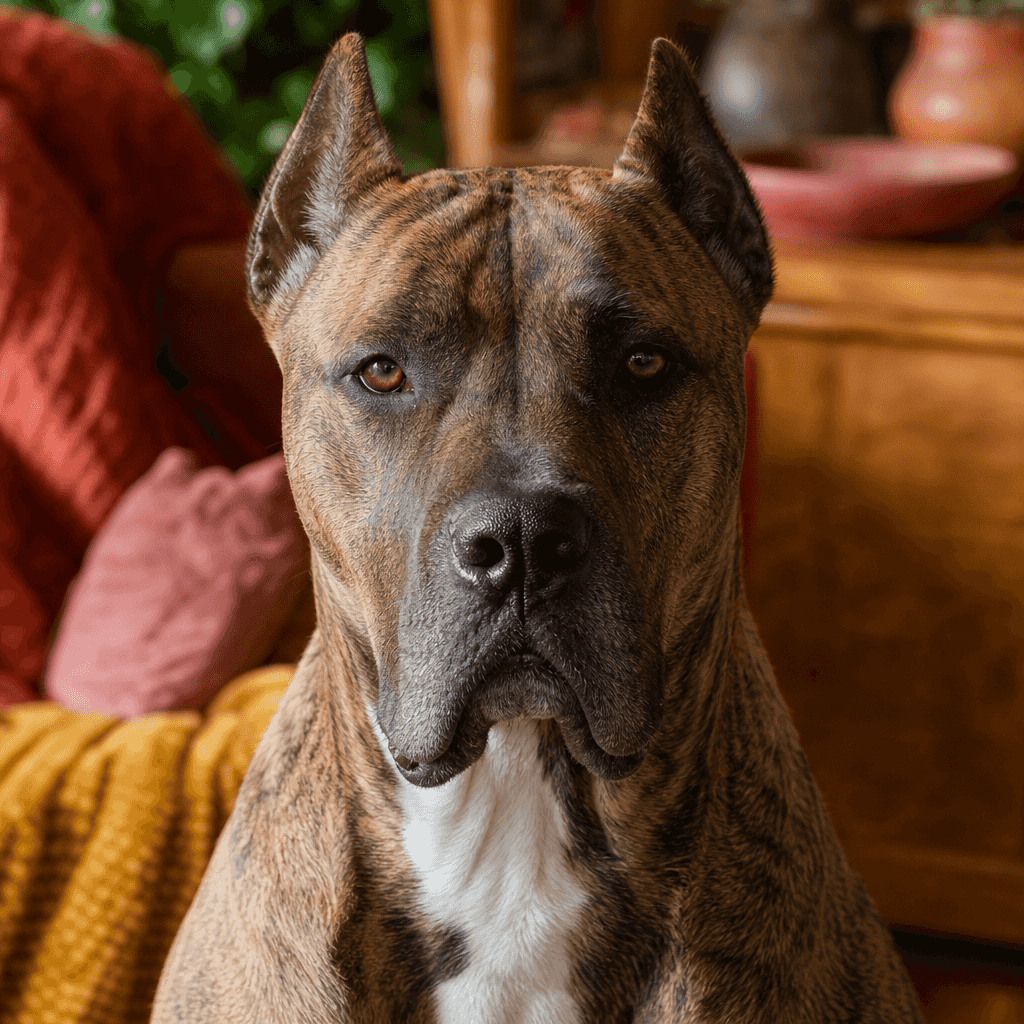
Transylvanian Hound Match Quiz

Is a Transylvanian Hound right for you?
14 quick questions
Question 1of 14
How active are you, most weeks of the year?
The ideal answer: Outdoorsy most days — hikes, runs, or long walks
Perfect — this breed shines with people who like to move. If you can offer real mileage plus chances to sniff and explore, you’ll see a calm, content hound at home. The work you put into exercise comes back as an even, affectionate companion.
Question 2of 14
Where will this dog spend most of its time?
The ideal answer: House with a secure yard
Great — a fenced yard makes daily management easier for a working hound. You’ll still do real walks and nose work, but quick potty breaks and short play sessions become simple. Just remember: yards aren’t treadmills; exercise still happens on your schedule.
Question 3of 14
On a typical day, what exercise can you realistically provide?
The ideal answer: 90–120+ minutes: trails/fields, tracking games, varied terrain
Excellent — that’s the sweet spot for this working hound. With real mileage and brain-on scent work, you’ll see a settled dog that snoozes hard at home. Keep some days lighter to protect joints, and you’ve nailed the formula.
Question 4of 14
How important is regular off-leash freedom to you?
The ideal answer: Leashed or securely fenced is fine by me
Great mindset — management is what keeps hounds safe. Long lines in open fields and fenced areas give freedom without the runaway risk. With this expectation, you’ll enjoy the breed rather than fight it.
Question 5of 14
What does your containment plan look like?
The ideal answer: 5–6 ft solid fence or secure kennel run
Perfect — that’s the level of security a working hound deserves. Add dig guards on tempting spots and keep gates locked, and you’ll sleep better. Microchip and ID tags are still non-negotiable backups.
Question 6of 14
Any cats, rabbits, or pocket pets at home?
The ideal answer: No small pets; maybe another dog
That’s the easiest path. Without small prey-shaped roommates, you can focus on exercise and training instead of constant management. If you add a dog, match energy levels and supervise intros, and you’ll likely see a sociable companion.
Question 7of 14
How much barking or baying can your home (and neighbors) tolerate?
The ideal answer: We’re fine with some hound music
Good to hear — accepting the voice makes life easier with any scenthound. Teach a quiet cue, meet exercise needs, and you’ll hear it mostly when it’s appropriate. It’s part of the charm when channeled well.
Question 8of 14
What kind of training approach feels natural to you?
The ideal answer: Positive reinforcement, nose-forward games, patience
Perfect match. Short, fun sessions with food or toy rewards unlock this breed’s brains, and scent games turn “stubborn” into “focused.” You’ll enjoy the process as much as the results.
Question 9of 14
Any interest in hunting or scent sports?
The ideal answer: Yes — I plan to hunt or track in season
Fantastic — you’re speaking this breed’s language. Field work satisfies the deepest drives and produces a calmer, easier housemate. Connect with local clubs for safe access to land and mentors.
Question 10of 14
How do you feel about low-maintenance coats with some shedding?
The ideal answer: Weekly brush, nails, and ear care — no problem
Perfect — that’s exactly what this coat needs. Your routine will also catch foxtails, burrs, and minor field scrapes before they turn into vet visits. Quick, regular care keeps the dog comfortable and the house cleaner.
Question 11of 14
What climate will the dog live in?
The ideal answer: Temperate seasons; we adjust activity smartly
Ideal — common-sense scheduling is most of the job. You’ll walk early on hot days, towel off after wet trails, and throw a coat on for long, idle cold spells. The breed does very well with that approach.
Question 12of 14
On a typical weekday, how long would the dog be alone?
The ideal answer: Rarely — someone’s usually home or can pop in
Great — presence plus activity is the golden combo for this breed. Expect a deeply bonded dog that settles near you after a good outing. Crate training still helps with safe downtime.
Question 13of 14
An unexpected $800–$1,500 vet bill would be…
The ideal answer: Covered — savings or pet insurance in place
Excellent — that safety net lets you make medical decisions based on need, not panic. Add routine costs like training classes, sturdy long lines, and tick preventives, and you’ll be well prepared. Healthy doesn’t mean zero surprises.
Question 14of 14
Tell us about the people and pace in your home.
The ideal answer: Adults or kids 8+ who follow rules
Lovely — that’s where this breed’s best qualities shine. With predictable handling and doors closed, you’ll get a polite watchdog who saves enthusiasm for family. Early socialization keeps stranger-wariness in the healthy zone.
Your result
Answer the 14 questions above and your match score appears here.