Thai Ridgeback Match Quiz
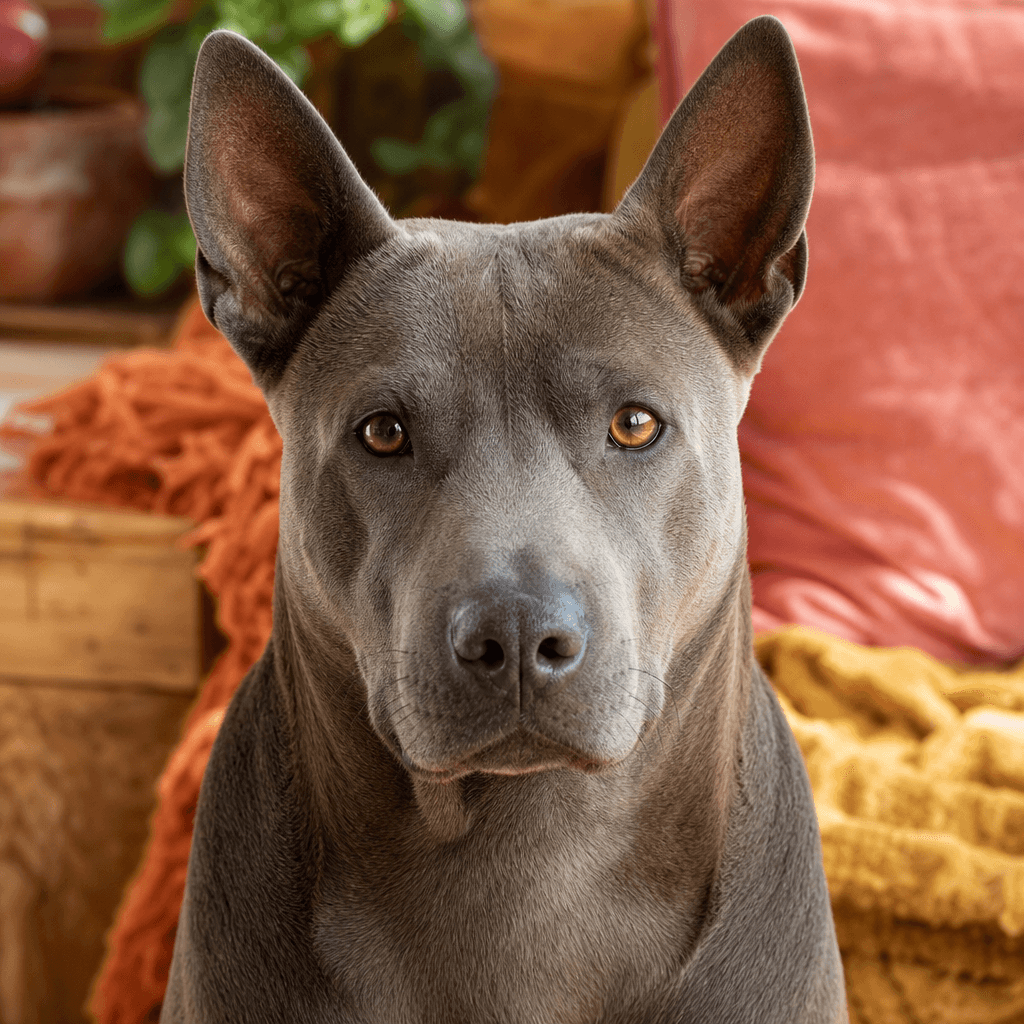
Is a Thai Ridgeback right for you?
15 quick questions
Question 1of 15
What does an ideal weekday look like for you and a dog?
The ideal answer: A run, structured training, and purposeful play
Perfect — this breed shines with a real job. If you can pair daily cardio with short, focused training and puzzle work, a Thai Ridgeback becomes calm and affectionate at home. Your consistency turns that high drive into partnership instead of mischief.
Question 2of 15
What does your outdoor setup look like?
The ideal answer: A 6+ ft, climb-proof fenced yard with locked gates
That’s the gold standard for this breed. With secure boundaries, you can give sprints and training reps safely — and you’ll sleep better knowing a squirrel won’t turn into a neighborhood tour. Add dig guards if your dog enjoys landscape projects.
Question 3of 15
Be honest: do you picture leash-free romps and recall on command?
The ideal answer: I’m fine keeping the dog leashed or on a long line
Great — that’s the safest mindset for this breed. You’ll still do recall training, but you won’t bet a life on it. Fenced fields and long lines give you freedom without testing instinct against traffic or deer.
Question 4of 15
How comfortable are you leading an independent, primitive dog?
The ideal answer: I’ve trained independent or guarding/sighthound breeds
You’re speaking their language. With fair rules, rewards, and tight management, you’ll shape a thoughtful partner who checks in and settles well. Your experience also helps you prevent problems instead of trying to fix them later.
Question 5of 15
From 8–20 weeks, what can you realistically invest?
The ideal answer: Multiple classes, field trips, calm guest practice weekly
Excellent — that’s exactly how you inoculate a Ridgeback against suspicion. Pair neutral exposure with tasty rewards and keep interactions polite rather than pushy. You’re building a dog that can ignore the world instead of challenging it.
Question 6of 15
Who’s at home, and how lively is the day-to-day?
The ideal answer: Adults or teens, predictable routine
That’s a sweet spot for this breed. Expect deep loyalty, quiet shadowing from room to room, and a watchdog who takes perimeter duty seriously. Your structure lets the dog relax instead of staying on alert all day.
Question 7of 15
Who else would share the home?
The ideal answer: Prefer a solo dog, or a carefully matched opposite-sex adult
Smart. This gives you the best odds of harmony and lets you manage introductions on your timeline. If you add a dog, choose neutral intros and be willing to walk away if the chemistry isn’t right.
Question 8of 15
On a typical workday, the dog would be alone…
The ideal answer: Rarely — someone’s usually around or can check in
That’s ideal. A Ridgeback that gets exercise plus companionship is far less likely to practice fence-testing or redecorating. You’ll see more of the affectionate, off-switch side people fall in love with.
Question 9of 15
How do you feel about a short coat that still sheds?
The ideal answer: No problem — weekly brushing and some hair are fine
Great fit. A quick once-over with a grooming mitt keeps the coat glossy and the house tidy. You’ll spend your time training and exercising rather than detangling hair.
Question 10of 15
What’s the weather story where you live?
The ideal answer: Mostly warm — winters are mild
Perfect. Your climate lets a Ridgeback enjoy long, comfortable outings without layering up. You’ll still watch for hot pavement and provide shade, but temperature management stays simple.
Question 11of 15
Which statement best matches your annual budget beyond food?
The ideal answer: Comfortable budgeting for pro training, fence upgrades, and insurance
You’re set up for success. Early coaching with a rewards-based trainer, a fence the dog can’t outthink, and a solid policy keep little problems from becoming big ones. That preparation lets the good parts of the breed shine.
Question 12of 15
How sensitive is your living situation to barking?
The ideal answer: Detached home — some barking is fine
Great. A bit of alerting won’t ruffle feathers, and you can channel it into a quick “thank you, quiet” routine. A satisfied, exercised Ridgeback tends to comment less anyway.
Question 13of 15
Do you want a social, go-everywhere companion?
The ideal answer: Happy to skip busy outings — home and trails are enough
Perfect match. Ridgebacks love quiet adventures with their person and don’t need a fan club to be fulfilled. You’ll both enjoy more peace and fewer awkward introductions.
Question 14of 15
How do you approach breed-specific health checks?
The ideal answer: I’ll work with a health-testing breeder or rescue and insure
That’s the responsible route. Ask for hip/elbow results, discuss dermoid sinus screening and any prior surgery, and start insurance while the dog is young. Good information up front prevents hard lessons later.
Question 15of 15
What kind of brain games will you actually do?
The ideal answer: Daily mini-sessions, puzzles, and impulse-control games
Excellent — that’s how you convert edge into elegance. Five-minute drills before meals, scatter feeding in the yard, and a few lure-coursing style sprints make a massive difference. You’ll feel the household calm down.
Your result
Answer the 15 questions above and your match score appears here.