Sussex Spaniel Match Quiz
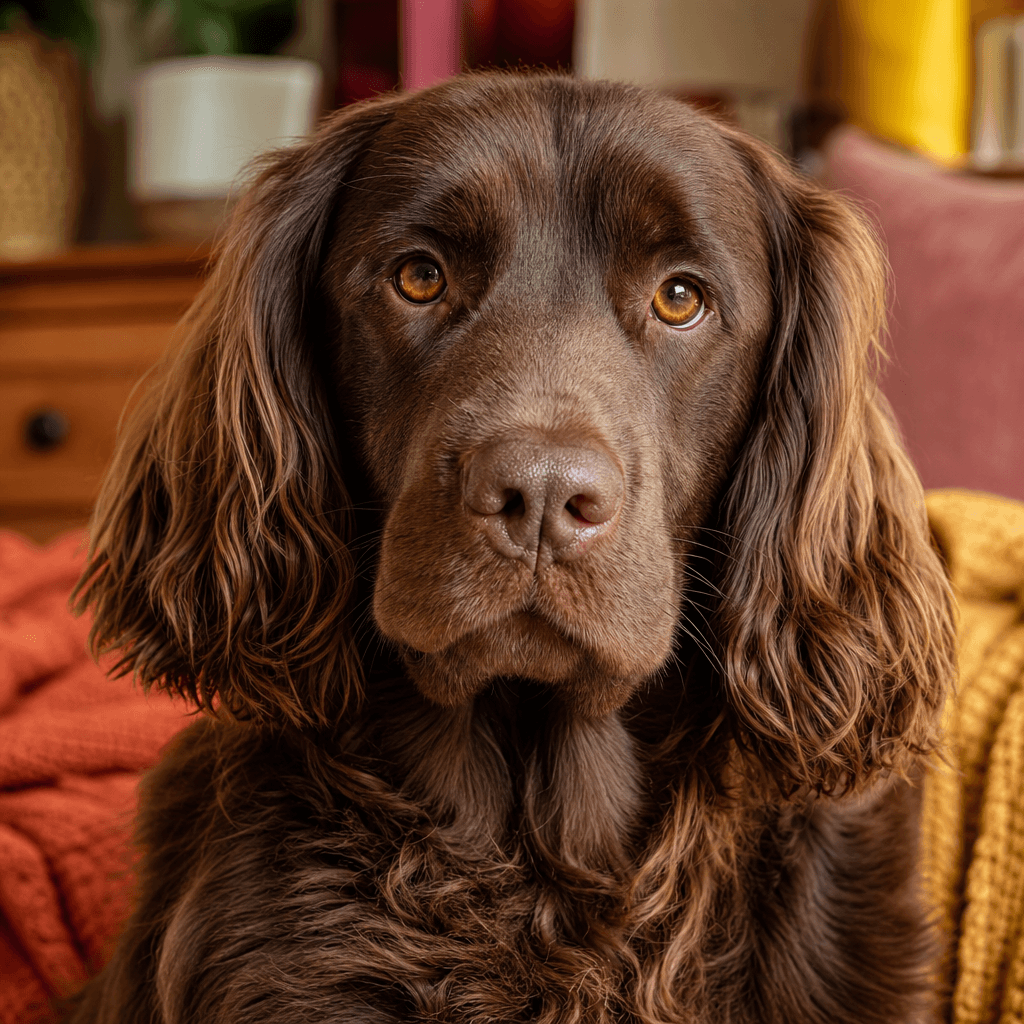
Is a Sussex Spaniel right for you?
14 quick questions
Question 1of 14
What does an ideal Saturday with your dog look like?
The ideal answer: Two unhurried walks with lots of sniffing
Perfect — that’s the Sussex sweet spot. This breed thrives on 45–60 minutes a day of easy, nose-led walks and pottering about the yard. Give them a job like carrying a toy or searching for treats in the grass, and you’ll have a deeply satisfied companion.
Question 2of 14
Where will this dog spend most of its time?
The ideal answer: House with a securely fenced yard
Great — that setup lets a Sussex do its favorite things: meander, nose around, and then nap by the door. A low fence isn’t a challenge for their short legs, but secure boundaries matter because a good scent can carry them off. Add some shade and non-slip paths to keep joints happy.
Question 3of 14
How often can you realistically brush and tidy a spaniel coat?
The ideal answer: 3–4x per week, plus quick tidy after muddy walks
Excellent — that’s the right cadence for this coat. A slicker brush and metal comb keep feathering mat-free, and quick rinses after soggy outings prevent skin issues. Trim feet and sanitary areas monthly to keep debris down and the house cleaner.
Question 4of 14
Ear cleaning and drying after wet walks or swims — how do you feel about it?
The ideal answer: Confident — weekly checks and cleaning are fine
Perfect — that habit prevents most ear trouble. After rain or water play, a towel-dry and a few minutes of airflow help a lot, and your weekly clean catches redness or odor early. Your vet can recommend a gentle solution and technique to keep things comfortable.
Question 5of 14
Dog hair and post-walk cleanups — what’s your tolerance?
The ideal answer: It’s fine — lint roller and towels live by the door
Perfect attitude — you’ll stay ahead of the mess. A doorway towel, a couch throw, and a robot vacuum handle most of it, and your brushing routine captures loose hair before it lands everywhere. You’ll quickly learn the art of a two-minute rinse-and-towel after muddy rambles.
Question 6of 14
What training style feels most natural to you?
The ideal answer: Positive, patient, and consistent — I enjoy it
Fantastic — that’s exactly how a Sussex learns best. Keep sessions short and upbeat, use high-value treats, and celebrate wins; you’ll see solid manners and a surprisingly clever dog. Add nosework or field-style games for a happy brain.
Question 7of 14
How do you picture your dog’s freedom outdoors?
The ideal answer: Leashed walks and play in fenced areas
Great plan — that’s the safe, low-stress approach for a nose-first spaniel. Long lines in open fields and fenced sniff zones let them work scent without risk. You’ll both relax knowing a whiff of pheasant won’t turn into a disappearing act.
Question 8of 14
Your tolerance for a chatty dog is…
The ideal answer: I like a dog that talks to me
Perfect — you’ll enjoy the commentary. Teach a solid “quiet” cue and reward calm, and that bell-like voice stays charming instead of constant. Your neighbors will thank you for the training, even if you secretly love the serenades.
Question 9of 14
On a typical weekday, the dog would be alone…
The ideal answer: Rarely — someone’s around most of the day
Lovely — that’s the setup where a Sussex thrives. Expect a velcro companion who naps contentedly when you’re near and perks up for walks and chores. This is a relationship breed; presence is everything.
Question 10of 14
Your local climate is mostly…
The ideal answer: Cool/temperate, plenty of mild days
Ideal — that’s a natural match for their weatherproof coat. You’ll enjoy long shoulder-season walks while they stay comfortable. On colder snaps, a post-walk towel and a warm bed are usually all they need.
Question 11of 14
Pick the activities that sound like your kind of fun.
The ideal answer: Nosework, hide-and-seek, field days
Spot on — you’re choosing the things Sussex do best. Scatter feeding in grass, simple tracking lines, and controlled flushing/retrieving scratch their deepest itches. It’s the fastest path to a tired, fulfilled dog.
Question 12of 14
Which best describes your household?
The ideal answer: Calm adults, predictable routine
Perfect — you’ll see the breed’s best qualities: easy companionship, polite watchdogging, and a dog that melts into your rhythm. Add regular outings and you’ll wonder how you lived without that steady presence.
Question 13of 14
An unexpected $800–$1,200 vet bill would be…
The ideal answer: Covered — savings or pet insurance in place
Excellent — you’ll be ready for the usual suspects: ear care, dental cleanings, and joint-related needs as they age. Enroll in insurance early to avoid pre-existing exclusions and you’ll turn surprises into paperwork, not crises.
Question 14of 14
Could you safely lift a 35–45 lb, short-legged dog when needed?
The ideal answer: Yes — ramps and lifting are no problem
Great — your joints and the dog’s will thank you. A ramp for the car, area rugs on slick floors, and assisted entries prevent strains, particularly in seniors. That simple gear extends comfortable, active years.
Your result
Answer the 14 questions above and your match score appears here.