Spinone Italiano Match Quiz
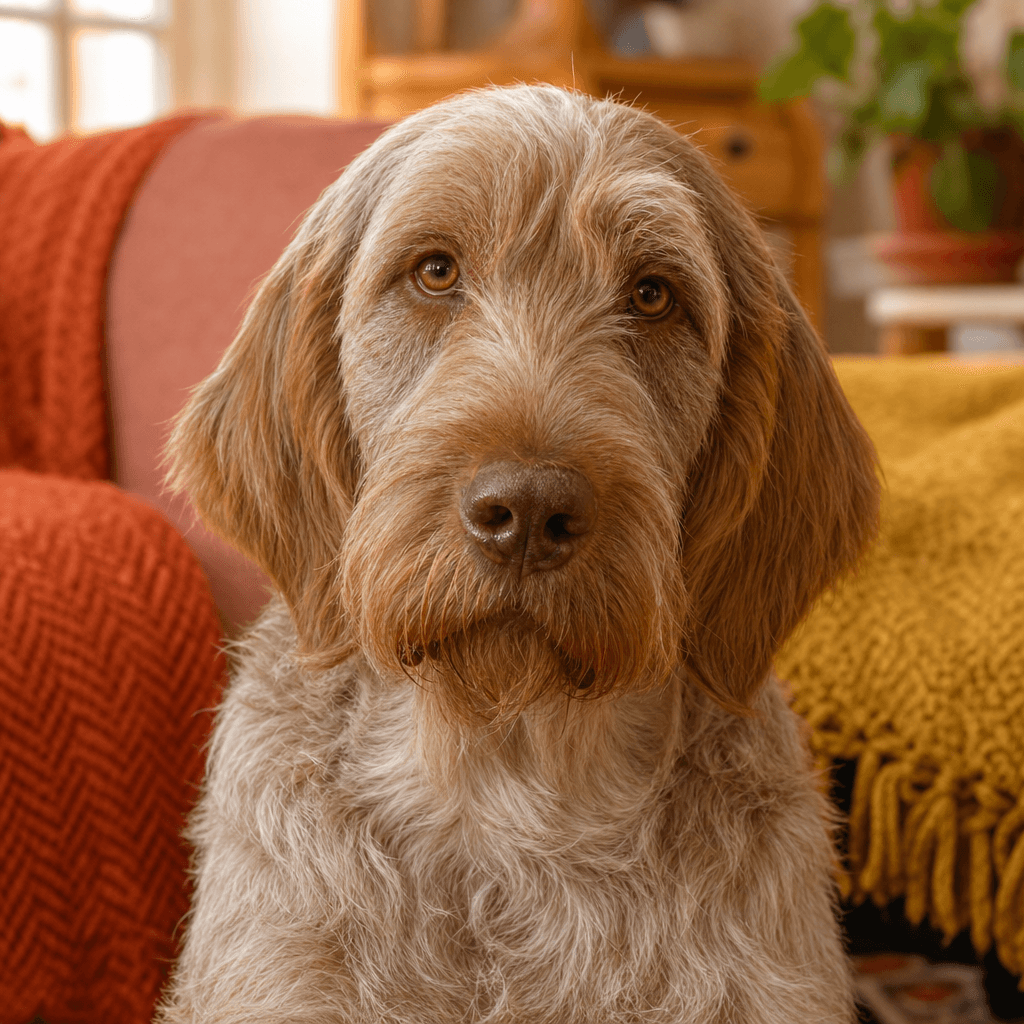
Is a Spinone Italiano right for you?
15 quick questions
Question 1of 15
How much purposeful activity do you want to share with your dog most days?
The ideal answer: 60–90 minutes of walking/hiking most days
That’s right in the Spinone pocket. With your plan, you’ll get a content, snoozy housemate who still lights up for trails and fields. Build in sniff breaks and an occasional swim, and you’ll see the best of this breed.
Question 2of 15
Where will this dog live day to day?
The ideal answer: House with a securely fenced yard
Perfect. A yard won’t replace walks, but it’s great for bathroom breaks, sunbathing, and quick training reps. With your setup, you can manage muddy arrivals at the door and keep that big frame comfortable.
Question 3of 15
What’s your plan for safe outdoor time?
The ideal answer: 6-ft fenced yard and long-line on adventures
Great plan. You’re giving a scent-driven dog freedom-with-seatbelts while recall matures. This is how you let a Spinone be a Spinone without gambling on deer, roads, or property lines.
Question 4of 15
What kind of activities do you actually enjoy doing with a dog?
The ideal answer: Long, sniffy hikes and fields/woods time
Perfect match. That slow, investigative pace is exactly what a Spinone was built for, and you’ll see their thoughtful, comical side come alive. Bring a long line for safe freedom in new places.
Question 5of 15
Hand-stripping and coat maintenance—what’s your plan?
The ideal answer: I’ll learn to hand-strip or book a pro regularly
Excellent—your Spinone will thank you. Proper stripping keeps the coat harsh and protective, reduces matting, and helps skin breathe. Add weekly brushing and you’ll stay ahead of burrs and brambles.
Question 6of 15
How do you feel about a dog that brings the outdoors—and water bowls—inside?
The ideal answer: Love it—towels by the door, mats by the bowl
You’re speaking Spinone. With towels parked at doorways and water mats under bowls, beard drip and mud become minor chores. In return, you get a dog who tackles any weather with a grin.
Question 7of 15
What’s your training vibe when a dog is independent and nose-first?
The ideal answer: Calm, positive, long-line and lots of rewards
Ideal. With your approach, you’ll get a biddable dog who offers more and more—especially on recall. Keep sessions short and end on wins, and this breed’s quiet smarts shine.
Question 8of 15
On a typical weekday, how long would your dog be alone?
The ideal answer: Rarely—someone’s home most of the day
Great fit. A Spinone’s happiest life includes plenty of proximity, with naps at your feet and check-ins throughout the day. You’ll see their affectionate, goofy side flourish.
Question 9of 15
Who’s at home, and what’s the general energy level?
The ideal answer: Adults and/or kids 8+ in a fairly calm home
Lovely match. The Spinone’s patient nature and soft temperament shine in calm, respectful households. Expect a shadow who checks on everyone and settles into your routine quickly.
Question 10of 15
What non-dog animals need to live peacefully with this dog?
The ideal answer: Adult cats and/or another dog—no small critters
Great. Plenty of Spinoni coexist nicely with household cats and canine friends, especially with slow introductions. You’ll still manage doorways and yard time around squirrels and songbirds.
Question 11of 15
What’s your local climate like, and how much can you adjust routines?
The ideal answer: Cool or temperate, plenty of rain
Prime Spinone country. You’ll enjoy year-round walks and happy swims; just dry those pendulous ears after water work to prevent infections. Mud management becomes your superpower.
Question 12of 15
An unexpected $1,000–$2,000 vet bill would be…
The ideal answer: Covered—savings or good pet insurance
Smart—and especially wise with a large breed. Insurance taken young can help with orthopedic imaging, eye care, and emergency bloat surgery if it ever strikes. Add routine ear cleaning and dental care to keep small issues small.
Question 13of 15
Be honest: can you comfortably manage a strong, 60–90 lb dog on leash?
The ideal answer: Yes—comfortable with training and proper gear
Great. Start loose-leash work early, use a well-fitted harness, and practice focus games before the scent turns on. With your skills, that big body stays easy to enjoy.
Question 14of 15
What are you hoping for in the bark-and-guard department?
The ideal answer: An occasional alert bark is fine; no yappy dogs please
That’s the Spinone profile. You’ll get the odd baritone “who’s there?” and then a wag for guests. Neighbors tend to love this breed’s indoor manners.
Question 15of 15
Weekly ear cleaning, regular nail trims, and toothbrushing—how does that sound?
The ideal answer: No problem—part of my weekly routine
Perfect. A quick ear clean after water work, monthly nail trims, and a few toothbrushing sessions a week prevent the issues Spinoni are prone to. Your future self—and your vet—will thank you.
Your result
Answer the 15 questions above and your match score appears here.