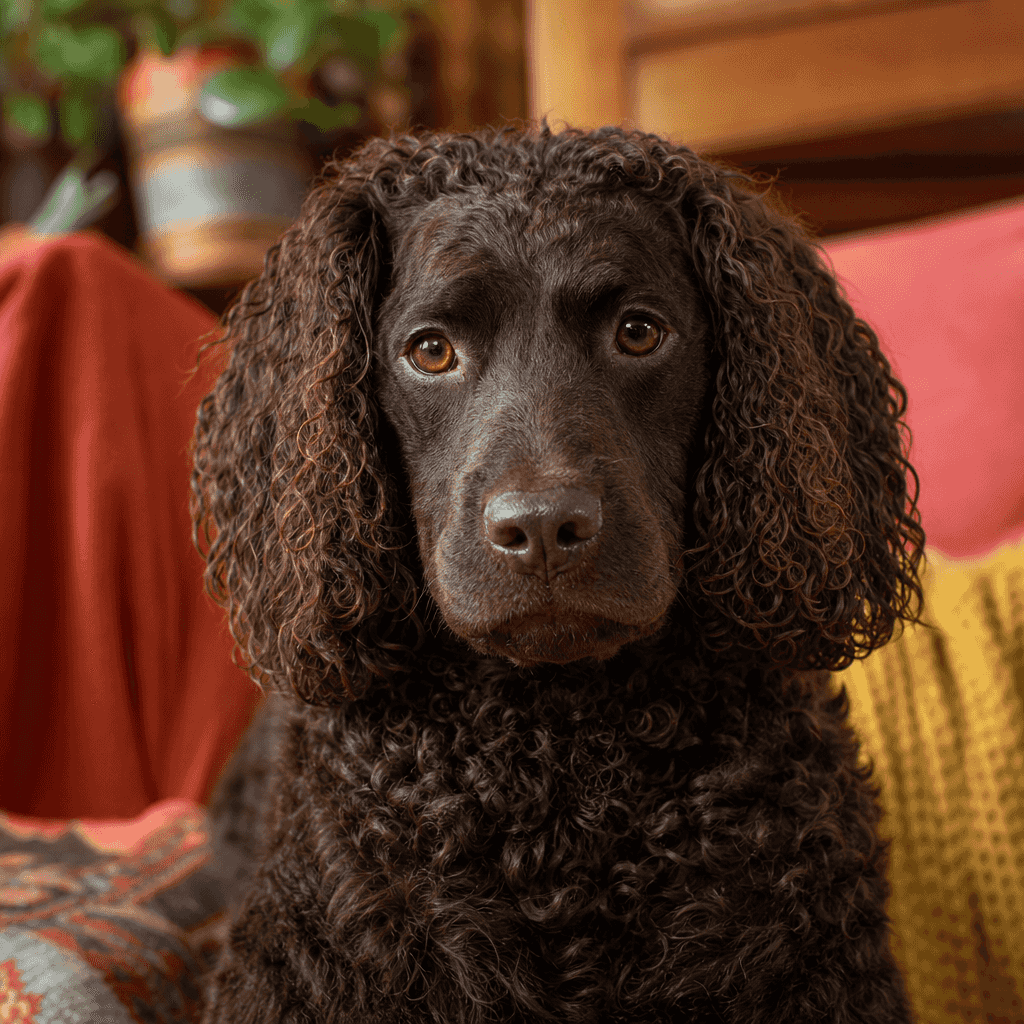
Spanish Water Dog Match Quiz
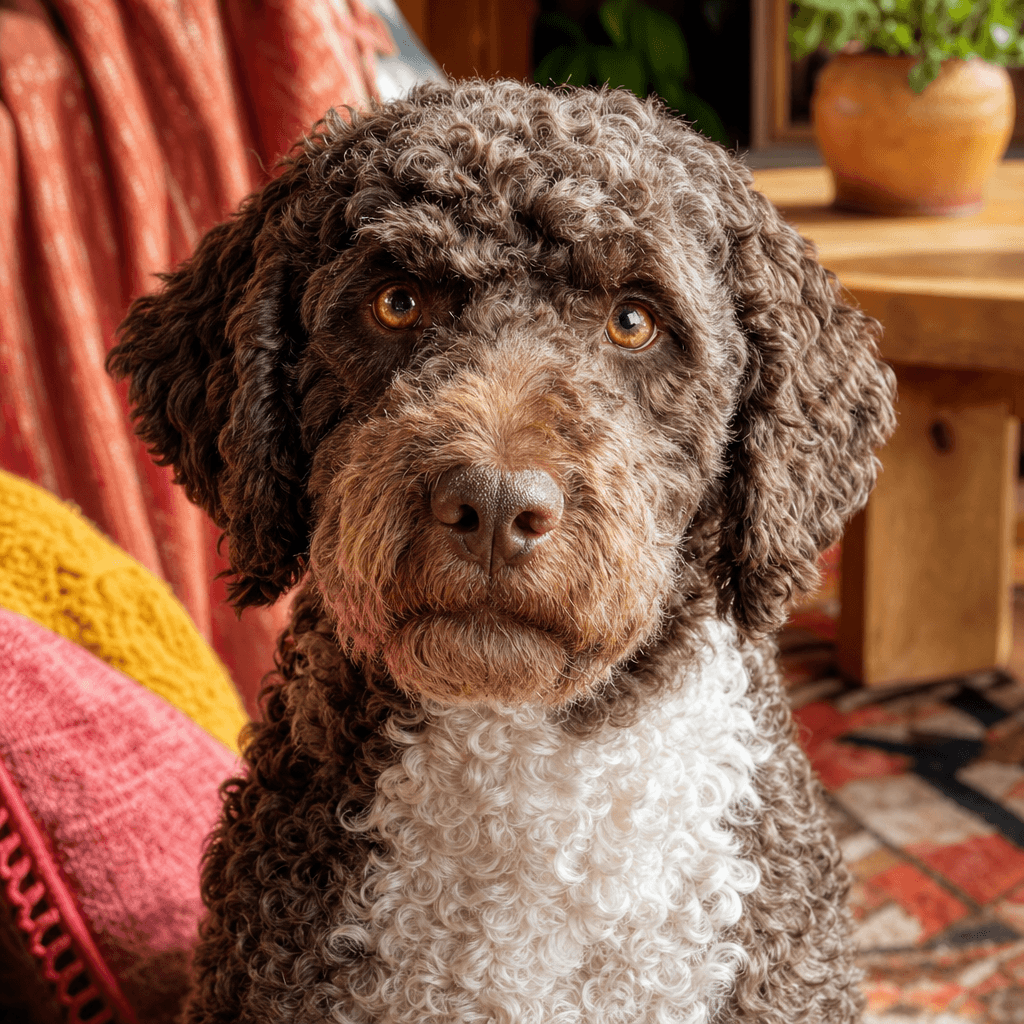
Is a Spanish Water Dog right for you?
15 quick questions
Question 1of 15
How much real exercise can you reliably give most days?
The ideal answer: 90+ minutes of vigorous exercise, most days
Music to an SWD’s ears — and joints, and brain. With daily vigorous work plus chances to sprint or swim, you’ll see a relaxed, affectionate housemate afterward. This is the foundation that keeps problem behaviors from ever starting.
Question 2of 15
How often will you do training, puzzles, or sport practice?
The ideal answer: Daily — short, focused sessions are my thing
Perfect. Five to ten minutes of targeted work (obedience, nosework, retrieve drills) twice a day keeps this mind satisfied. Dogs like yours end up excelling in sports because the habit is already built.
Question 3of 15
When a smart, sensitive dog pushes back, what’s your move?
The ideal answer: Calm, consistent, reward-based — I play the long game
That’s exactly what an SWD thrives on. You’ll see fast learning, solid recall, and a dog that stays eager to work because the training relationship feels safe and fair. Expect a partner, not a robot.
Question 4of 15
Your plan for socialization looks like…
The ideal answer: Puppy class, field trips, calm exposures through adulthood
That’s the gold standard. You’ll teach your dog how to observe quietly, take cues from you, and disengage rather than default to barky opinions. The result is a steady teammate you can take anywhere.
Question 5of 15
Your tolerance for a watchdog who speaks up is…
The ideal answer: Fine — I’ll train ‘quiet’ and manage windows
Great approach. Reward a few barks, cue “enough,” then redirect to a mat or sniffy scatter — and frost the windows that trigger drive-by alerts. You’ll keep the watchdog utility without the neighborhood newsletter.
Question 6of 15
Where will this dog live and play?
The ideal answer: House with a secure yard for play and training
Ideal. A yard won’t replace real exercise, but it’s perfect for recall practice, tug breaks, and decompression. With structure, this setup shows the breed at its best.
Question 7of 15
What grooming plan sounds most like you?
The ideal answer: I’ll learn proper cord care or keep a tidy working clip
Great attitude. You’ll bathe sparingly, squeeze-dry, separate cords while damp, and book an even clip when needed. Done right, skin stays healthy, mats stay manageable, and the dog stays comfortable year-round.
Question 8of 15
Swimming, mud, and drying off — what’s your plan?
The ideal answer: Frequent swims with rinse, squeeze-dry, and ear care
Perfect. You’ll prevent hot spots by drying to the skin, and you’ll keep ears happy with your vet’s preferred cleaning routine. With that prep, a wet, grinning SWD is nothing but joy.
Question 9of 15
How sensitive are you (or housemates) to dog dander?
The ideal answer: Mild allergies — I’ve done well with similar coats
Good — you’re going in informed. Keep the coat clean, rinse after heavy pollen days, and run a HEPA filter where the dog sleeps. Most owners with mild allergies do well with those habits.
Question 10of 15
Your local climate is…
The ideal answer: Temperate — seasons but nothing extreme
Easy mode. You’ll time hard exercise to cooler parts of the day in summer, and the coat will handle most winter outings without drama. It’s a great match for an all-purpose working dog.
Question 11of 15
What’s the kid energy like at home?
The ideal answer: Adults/teens or dog-savvy kids with clear rules
Great fit. Teach kids to toss treats for calm greetings and to pause if the dog shadow-herds. You’ll get a steady family teammate who loves being part of the routine.
Question 12of 15
What else is in the menagerie, and how controlled is the yard?
The ideal answer: No small pets; secure yard or long-line work is fine
Excellent. You’ll channel that motion sensitivity into recalls, stays, and nosework instead of critter-chasing. Clear outlets make instincts an asset rather than a headache.
Question 13of 15
On a typical weekday, the dog would be alone…
The ideal answer: Rarely — someone’s home, or I’ll use a walker/daycare
Perfect. With exercise up front and a midday break, you’ll get a champion napper. Rotate chews and puzzle feeders so alone-time feels like bonus time, not punishment.
Question 14of 15
Where do you see this dog shining with you?
The ideal answer: I want a sport or job — agility, dock, nosework, herding
Fantastic. Club practices, titling goals, or even casual league nights will light this dog up and smooth home life. You’ll tap the best parts of the breed while building a tight, joyful bond.
Question 15of 15
An unexpected $800–$1,200 bill (injury, eyes, or ears) would be…
The ideal answer: Covered — savings or pet insurance from day one
Smart plan. Insurance helps with orthopedic imaging, eye care, and surprise injuries, while you pay routine stuff out of pocket. With that safety net, breed quirks stay hiccups instead of crises.
Your result
Answer the 15 questions above and your match score appears here.