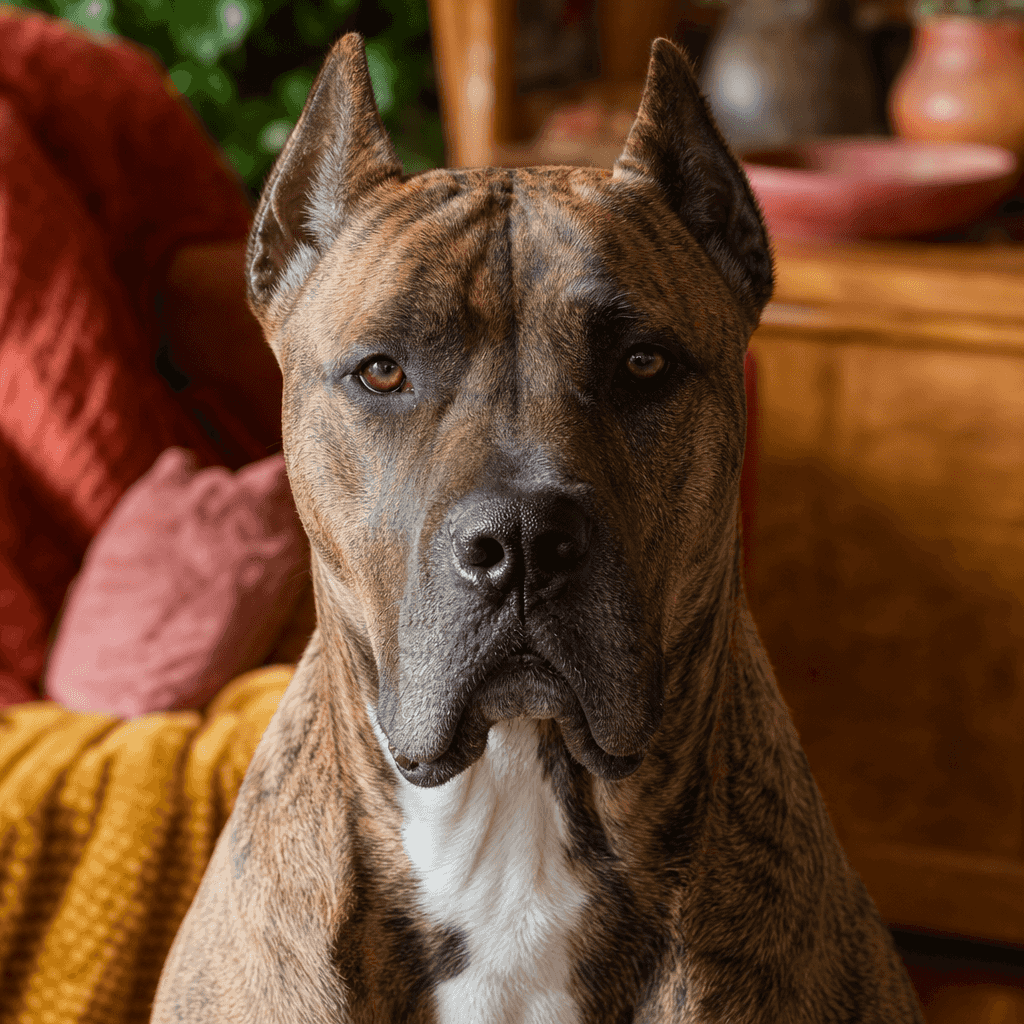
Spanish Mastiff Match Quiz
Is a Spanish Mastiff right for you?
15 quick questions
Question 1of 15
How active are your daily routines?
The ideal answer: Unhurried days with a couple of walks and yard time
That steady rhythm is right on target for a Spanish Mastiff. Expect contented patrols along your fence line, a couple of 20–30 minute walks, and lots of lounging where the sightlines are good. Let the dog set the pace and you’ll have a relaxed, biddable companion.
Question 2of 15
Where will this dog live?
The ideal answer: Rural property or small farm
Perfect. Space plus a calm routine lets a Spanish Mastiff settle into its natural job: observing, deterring, and napping within earshot of the action. Give shade, fresh water, and secure fencing, and you’ll see the breed at its best.
Question 3of 15
What kind of yard security do you have?
The ideal answer: 6+ ft secure fencing and locked gates
Excellent — that’s exactly what keeps a guardian safe and predictable. Add double‑gate habits and clear paths along the fence for patrols, and escapes become unlikely. It also reduces nuisance interactions with passersby that trigger barking.
Question 4of 15
What do you want this dog to do?
The ideal answer: Guard livestock/property on a farm or ranch
You’re speaking their language. With proper introductions to stock and safe fencing, a Spanish Mastiff is steady, low‑key, and deeply committed to its charges. Expect quiet days, alert nights, and a confident deterrent presence.
Question 5of 15
What’s your training background?
The ideal answer: I’ve handled LGDs or similar independent guardians
Great — you know the rhythm: patient socialization, short positive sessions, and management over micromanagement. Your experience will prevent common pitfalls like overcorrecting vigilance or expecting instant recall.
Question 6of 15
How should your dog handle guests and delivery people?
The ideal answer: Reserved and watchful is fine; I’ll manage intros
That mindset fits the breed. Park the dog on a mat, leash for first meetings, and reward quiet observation. Your leadership teaches that you decide who belongs; the dog provides presence, not policy.
Question 7of 15
When things go bump at night…
The ideal answer: Desired — we have space and no close neighbors
Perfect fit. That voice becomes a practical tool, especially at dusk. You’ll still want a cue for “enough,” but you won’t be apologizing through the fence.
Question 8of 15
Any children at home?
The ideal answer: Adults/teens only, calm household
Ideal. A steady home lets the Mastiff relax into companion mode without managing rambunctious play. You’ll get the full gentle‑giant experience with minimal risk of knockdowns.
Question 9of 15
What other animals will share the space?
The ideal answer: Livestock and 1–2 calm resident dogs
Great match. Start with leashed walk‑bys, reward calm, and give stock time to become “theirs.” Expect the Mastiff to prefer parallel existence over rough play, especially as it matures.
Question 10of 15
How do you feel about hair and slobber?
The ideal answer: Fine with hair on everything and some slobber
You’re ready. A weekly slicker/undercoat rake keeps mats away, and a designated towel near the water bowl manages jowls. Embrace the fluff cycle twice a year and you’ll breeze through grooming.
Question 11of 15
Your typical weather looks like…
The ideal answer: Cool to temperate; summers are mild
Ideal. Your Mastiff can enjoy long, slow patrols without overheating, and winter is usually a joy with proper shelter. Watch for ice on steps — joints still need care in slippery weather.
Question 12of 15
How would an unexpected $1,200 bill (or high monthly costs) land?
The ideal answer: Covered — savings and/or pet insurance
You’re set for a realistic Mastiff budget. Insure early, budget for quality food and joint care, and consider a bloat‑prevention plan with your vet. With the money side stable, you can focus on training and management.
Question 13of 15
When a 160‑pound dog disagrees on leash, you…
The ideal answer: I’m confident and strong; training is a priority
Perfect. You’ll install loose‑leash habits early, fit a well‑made harness or collar, and practice calm passes around triggers. That foundation lets a giant move politely through the world.
Question 14of 15
On a typical weekday, the dog would be alone…
The ideal answer: Rarely — someone’s usually home
Great — presence keeps a guardian settled and content. Expect a dog that naps near doorways, follows you outside for rounds, and thrives on your steady routine.
Question 15of 15
Your plan for off‑leash time?
The ideal answer: Fenced fields, long‑line hikes, or secure acreage only
Smart and safe. Long lines teach responsiveness without risk, and fences let a Mastiff enjoy being a Mastiff. You’ll still practice recall, but you won’t bet safety on it.
Your result
Answer the 15 questions above and your match score appears here.