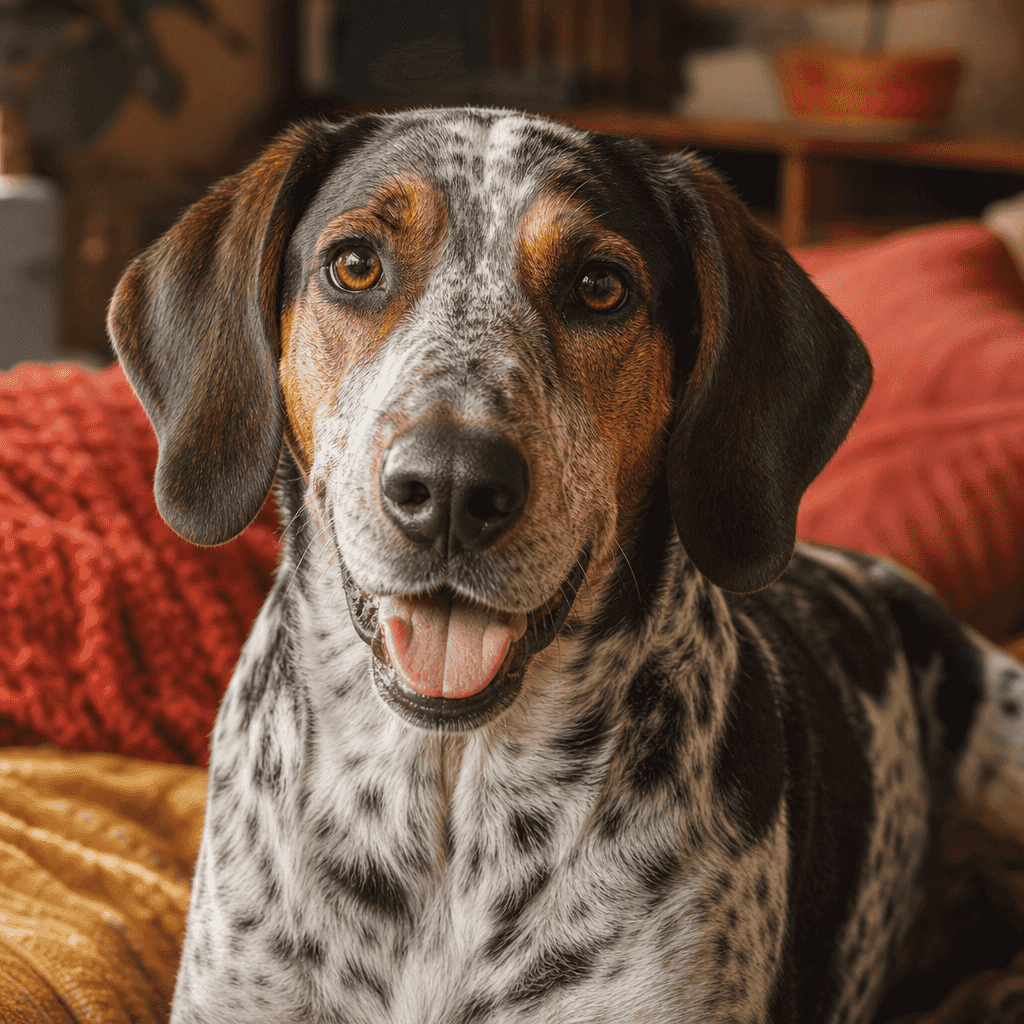
Small Munsterlander Match Quiz
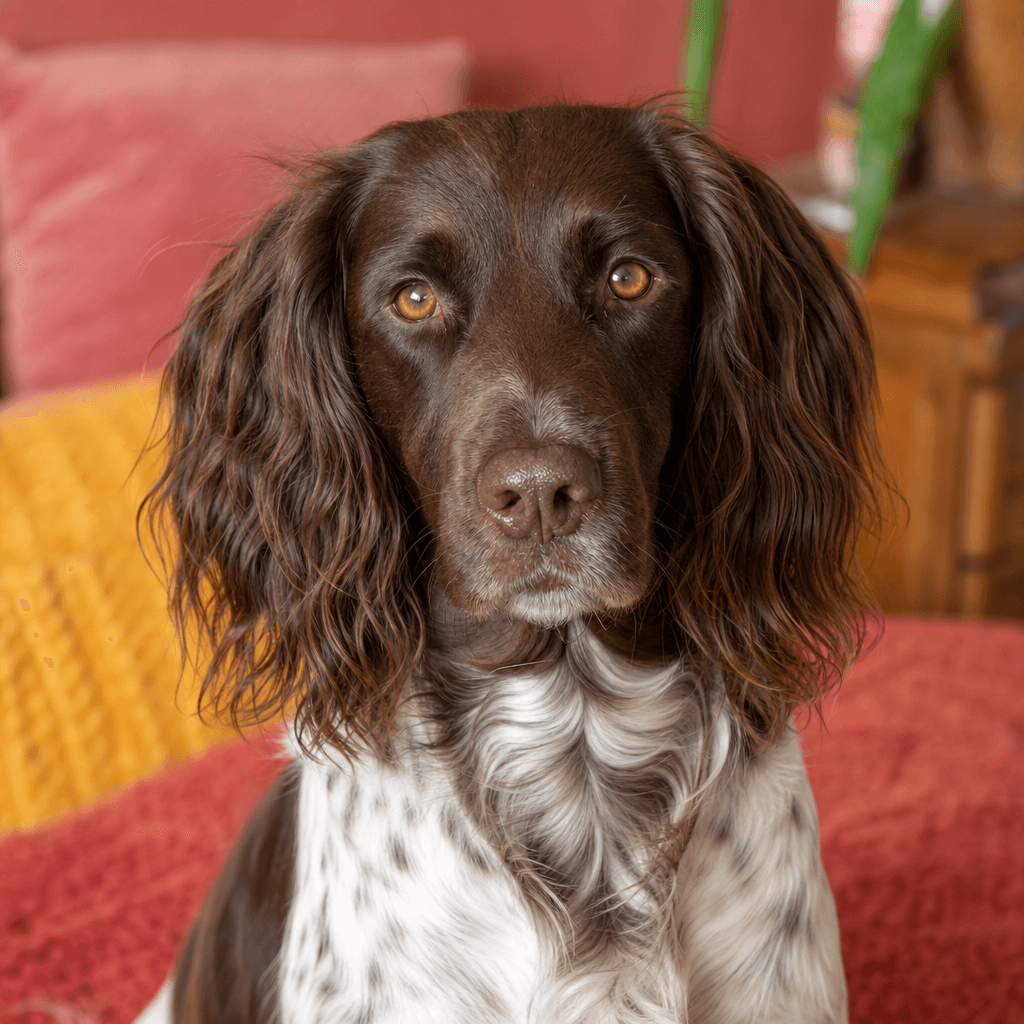
Is a Small Munsterlander right for you?
14 quick questions
Question 1of 14
What does an ideal Saturday with your dog look like?
The ideal answer: Trail runs, field time, water retrieves — the works
That’s the right rhythm for a Small Munsterlander. Long, purposeful outings that mix running, scenting, and retrieves soak up both body and brain, which is what keeps this dog easy in the house. You’ll see their best qualities because you’re meeting the need they were bred for.
Question 2of 14
Where will this dog live and stretch its legs?
The ideal answer: House with a securely fenced yard
Perfect. A real fence plus room to train recalls, steadiness, and retrieves gives you daily reps without a commute. You’ll still need proper outings, but the yard becomes your classroom and decompression zone.
Question 3of 14
What role will hunting or field work play in your dog’s life?
The ideal answer: I actively hunt upland/waterfowl and want a hunting partner
You’re speaking the breed’s native language. With structured training, this dog will search, point, track and retrieve, then curl up at your feet afterward. Connect with your local breed club for training days and cooperative birds — it accelerates everything.
Question 4of 14
Realistically, how much purposeful exercise can you give most days?
The ideal answer: 90–120 minutes of hard work plus short training blocks
That’s right on target. Split it into a morning run and an evening training session and you’ll have a settled housemate. Skipping days happens, but with this routine the breed’s famous off‑switch shows up reliably.
Question 5of 14
What’s your plan for safe off‑leash work or a close substitute?
The ideal answer: Access to fenced fields or quiet trails; I’ll train with a long line
Excellent. Long‑line reps in low‑distraction areas build a recall you can trust when scent is screaming. Add a whistle cue and you’ll have a dog that checks in naturally as it learns its job.
Question 6of 14
How do you feel about steady, reward‑based training with clear structure?
The ideal answer: I enjoy structured, positive training and will be consistent
Perfect match. Short, upbeat sessions on heel, place, recall, steadiness, and retrieves will bring out their best. You’ll see why trainers love this breed: biddable without losing spark.
Question 7of 14
What does your small‑pet situation look like?
The ideal answer: No cats or small pets in the home
Easy mode. You can channel all that prey drive into appropriate work without household conflicts. Walks will still require attention around wildlife, but life at home stays simple.
Question 8of 14
How do you feel about weekly brushing and post‑field cleanup?
The ideal answer: Happy to brush weekly and de‑burr after outings
Perfect. A slicker brush, metal comb, and a quick ear check after cover work keep the coat healthy and the house cleaner. Trim feet and feathering lightly as needed, and drying after swims prevents ear issues.
Question 9of 14
What climate will your dog work and live in?
The ideal answer: Cool to temperate; lots of shoulder‑season days
Ideal. You’ll be able to train and run most of the year without dodging heat. Add a drying routine in wet months and you’re set.
Question 10of 14
Who’s in your household?
The ideal answer: Adults and/or responsible teens
That’s a natural fit. You’ll have the bandwidth for training and field time, and the dog will happily divide attention among willing handlers. Expect a shadow that follows you from coffee to car.
Question 11of 14
On a typical weekday, how long would the dog be alone?
The ideal answer: Rarely — someone’s around or we use a sitter/walker
Lovely. With presence and planned breaks, you’ll keep stress low and habits good. Crate train early so rest is restful, not anxious clock‑watching.
Question 12of 14
How much barking or excited “talking” can your world tolerate?
The ideal answer: Some alert barking and field chatter are fine
Great. With exercise and training, you’ll hear purposeful sound, not random racket. Teach a “thank you, quiet” cue and you’ll keep neighbors happy.
Question 13of 14
An unexpected $800–$1,200 dog expense would be…
The ideal answer: Handled — savings or pet insurance in place
Perfect. Insurance or a set‑aside fund keeps inevitable bumps (ear issues, injuries, occasional imaging) from becoming crises. You’ll also be freer to invest in training days, birds, and club dues that make this breed shine.
Question 14of 14
How will you approach finding a Small Munsterlander?
The ideal answer: I’ll work with the breed club, accept a wait list, and share my training plan
That’s the right route. You’ll meet mentors, see working dogs, and likely end up with a puppy or started dog that matches your goals. The wait pays you back for years.
Your result
Answer the 14 questions above and your match score appears here.