Slovenský Cuvac Match Quiz
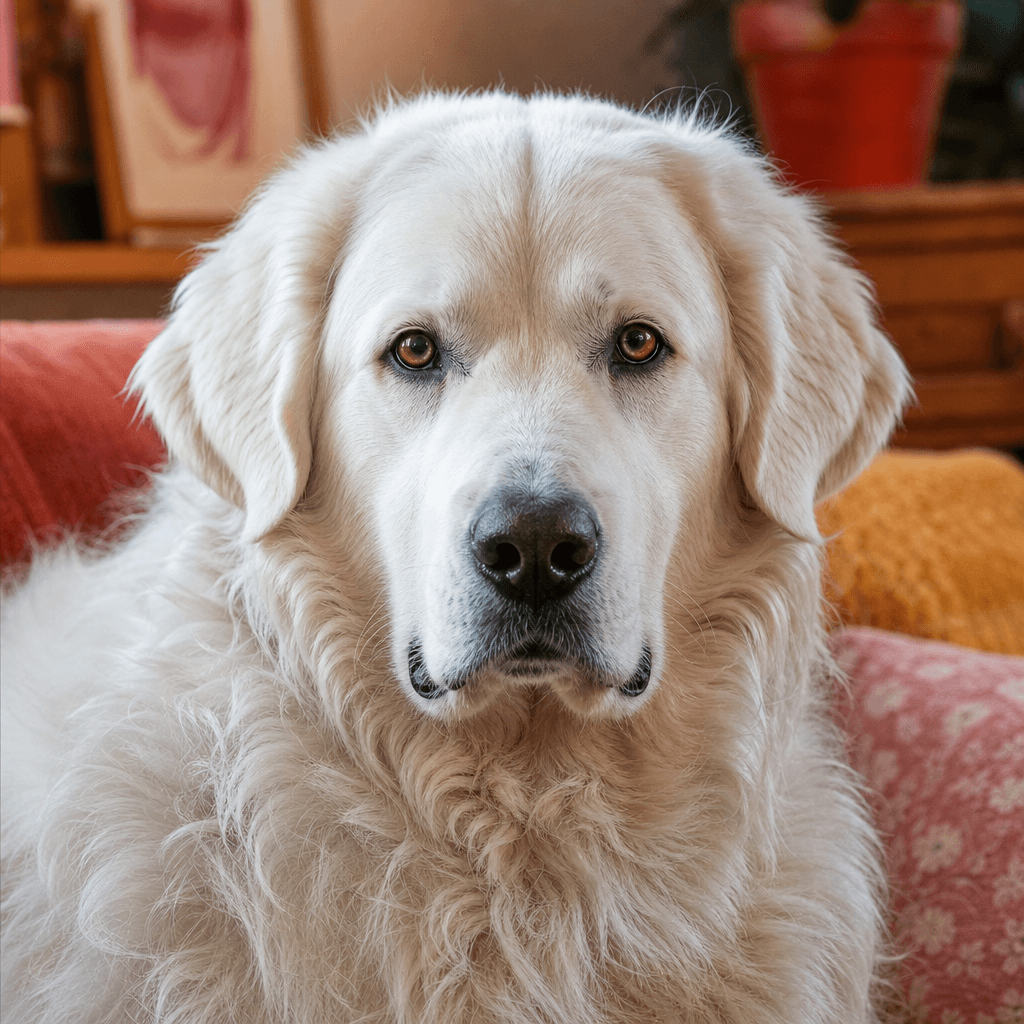
Is a Slovenský Cuvac right for you?
16 quick questions
Question 1of 16
Big picture—why this breed, and what job will it have with you?
The ideal answer: A property/livestock guardian who’s also our family’s steady protector
That’s the sweet spot for the breed. A Cuvac given clear territory, a routine, and people to bond with will settle into quiet patrols and thoughtful watchfulness. Expect a dog that is affectionate at home, suspicious at the fence line, and deeply satisfied by purpose.
Question 2of 16
What’s your housing and yard situation like?
The ideal answer: Acreage with secure 5–6 ft fencing (and dig guards), rural or semi‑rural
Perfect. With space and a proper fence, a Cuvac can perform its favorite job—calm patrols, strategic napping with a view, and quick response to odd sounds—without roaming. Add a sheltered outdoor spot plus indoor family time and you’ve checked the biggest boxes.
Question 3of 16
Realistically, what can you provide most days?
The ideal answer: 60–90 minutes of purposeful walking/patrols plus short training or scent games
That’s the rhythm this breed understands. A long, steady patrol-style walk, boundary games, and a few minutes of obedience or nose work scratch the physical and mental itch. You’ll see a calmer, quieter dog when that need is met.
Question 4of 16
How would regular alert barking land with your household and neighbors?
The ideal answer: Detached home or rural area; neighbors expect some noise
Great. In settings where a guardian’s commentary is normal, a Cuvac’s voice is an asset, not a headache. You’ll still shape it—reward quiet after the first alert and manage tempting sightlines—but you’re starting from a compatible baseline.
Question 5of 16
How busy is your doorway, and what do you expect when people visit?
The ideal answer: Few visitors; I can manage slow, controlled introductions
Ideal. You can let the dog observe, reward calm, and invite it to settle on a mat while guests enter. Clear routines—place, release, and supervised greetings—bring out the breed’s thoughtful side.
Question 6of 16
Be honest: your comfort with independent, slow‑to‑mature guardians is…
The ideal answer: Solid—I've handled LGDs/guardian breeds and enjoy thoughtful training
Perfect fit. You’ll set boundaries early, socialize widely but safely, and reinforce calm choices, which is how this breed shines. Expect reliable house manners, fair leash skills, and an honest—but not flashy—obedience repertoire.
Question 7of 16
What are your off‑leash expectations?
The ideal answer: I’m happy with leashed walks and secure, fenced off‑leash time
Smart plan. This keeps the dog safe, preserves livestock/wildlife, and avoids the heartbreak of a guardian following its nose beyond your property. Long lines offer freedom without risk when exploring new spaces.
Question 8of 16
What animals will the dog live with or encounter daily?
The ideal answer: Livestock/poultry on site; I’ll supervise and raise the dog with them
Excellent. Slow introductions, supervised night pens, and pairing with a steady adult animal build the right picture. Many Cuvacs mature into calm guardians when that foundation is set.
Question 9of 16
What weather will the dog live in most of the year?
The ideal answer: Cool to cold climate; winters with snow don’t scare me
Perfect. Cold lets the coat do what it was built for—insulate and shed moisture. Provide a wind‑break and dry bedding, and your dog will likely choose the snowbank over the hearth.
Question 10of 16
How do you feel about regular brushing and seasonal blowouts?
The ideal answer: Weekly brushing, daily during sheds; I’ll keep tools handy
Perfect attitude. A slicker and undercoat rake keep mats from forming behind ears, in feathering, and britches, and you’ll catch burrs before they tangle. Quick, regular sessions beat marathon battles every time.
Question 11of 16
Dog hair on dark clothes and in the car—what’s your tolerance?
The ideal answer: Fine—I own lint rollers and a good vacuum
You’re set. A robot vacuum plus a weekly deep run keeps floors civilized, and car seat covers save your upholstery. During seasonal blowouts, daily five‑minute brushes make a huge difference.
Question 12of 16
An honest look at ongoing costs—where do you land?
The ideal answer: Ready: solid fence, $150+/mo care/food, insurance, and an emergency fund
You’ve covered the big rocks. Insurance early in life, quality food, flea/tick prevention, and a reliable fence keep surprises manageable. Consider prophylactic gastropexy at spay/neuter to mitigate bloat risk—many LGD owners do.
Question 13of 16
Who’s at home and how rowdy is a typical day?
The ideal answer: Adults/teens who can follow rules and read dog body language
Ideal. Clear boundaries—no hugging from above, no wrestling—let the dog relax into its best self. Expect a big, gentle shadow who positions itself between you and the world without fuss.
Question 14of 16
How often do you need a dog that rolls with crowded places and frequent travel?
The ideal answer: We’re homebodies; most life happens on our property
That’s right in the breed’s lane. A stable routine and a familiar territory to patrol make for a content, low‑drama guardian. Occasional trips are fine when you line up LGD‑savvy care.
Question 15of 16
On a normal weekday, how long would the dog be on its own?
The ideal answer: Short stretches alone with a secure yard/kennel, plus real evening time
Great balance. A safe outdoor run or fenced yard satisfies the patrol itch while you’re out, and family time completes the picture. Rotate chews and puzzles to keep the brain busy.
Question 16of 16
Where are you on large‑breed health precautions?
The ideal answer: Proactive: verify hip/elbow scores, feed measured meals, consider gastropexy
Excellent. Asking for OFA/FCI scores, using slow‑feed bowls, resting after meals, and discussing prophylactic gastropexy at spay/neuter all reduce risk. You’re stacking the odds in your dog’s favor.
Your result
Answer the 16 questions above and your match score appears here.