Siberian Husky Match Quiz
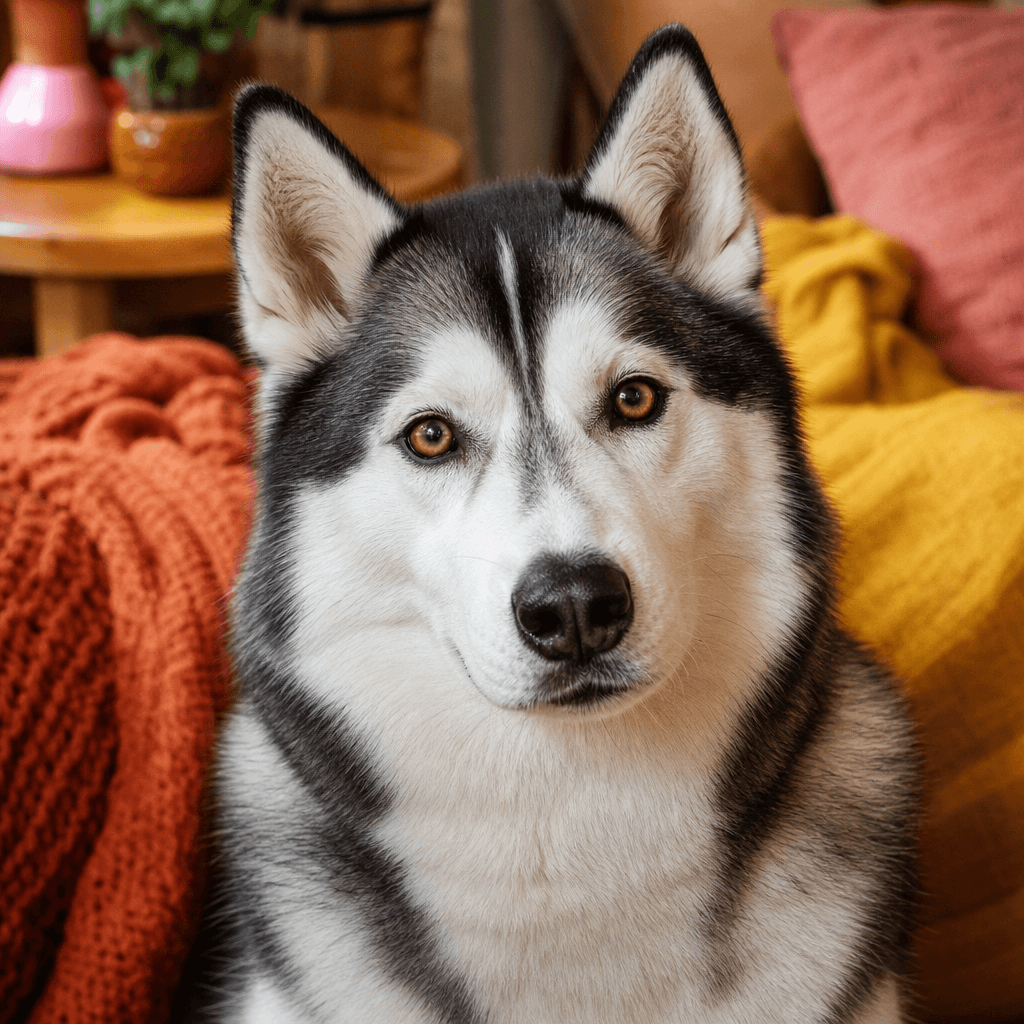
Is a Siberian Husky right for you?
16 quick questions
Question 1of 16
How much purposeful exercise can you give—every single day?
The ideal answer: 90–120 minutes of real cardio (run, bike, canicross)
Music to a Husky’s ears. Structured running, bikejoring/canicross, or fast hikes let this endurance athlete do what it was built for, and you’ll see calmer house manners as a result. Invest in a proper pulling harness and build mileage gradually to protect joints.
Question 2of 16
Where will a Husky spend most of its time?
The ideal answer: House with a secure yard
Great—think of the yard as a playpen, not a gym. You’ll still do real exercise on-leash, but a safe space for zoomies and training is a big plus. Just assume you’ll need serious fencing (more on that soon).
Question 3of 16
What does your containment plan look like?
The ideal answer: 6-ft+ fence, dig guards, self-closing/locking gates
That’s the level this breed deserves. Add a concrete footer or buried hardware cloth, prune trees near fences, and use double-gates if kids/guests are around. With outlets for energy, many Huskies stop trying—but you build for the day they start.
Question 4of 16
Be honest: how do you picture off-leash time?
The ideal answer: Only in fenced areas or on a long line
That’s the safest, most realistic mindset for this breed. You’ll still train recall for emergencies, but freedom happens in secure fields or on a long line where success is guaranteed. Your future self—and your dog—will thank you.
Question 5of 16
Undercoat rakes, baths, blowouts—what’s your grooming plan?
The ideal answer: Weekly brushing; daily during blowouts; never shave
Perfect. A slicker plus undercoat rake keeps skin healthy and tangles down, and a bath-and-blow during coat blows moves hair from dog to drain. This routine also lets you spot skin issues like zinc-responsive dermatosis early.
Question 6of 16
Dog hair on clothes, car, and the occasional coffee?
The ideal answer: Totally fine—lint rollers are cheap
Great attitude. Stash rollers by the door, run a robot vac daily, and throw a sheet over favorite couches. During coat blows, step up to daily brushing and embrace the snowdrifts with humor.
Question 7of 16
Your typical summer looks like…
The ideal answer: Cool/mild summers; cold winters
Ideal. You’ll enjoy long winter adventures with simple paw care and hydration. In summer, stick to mornings/evenings and shade—you’ll rarely be heat-limited otherwise.
Question 8of 16
Any cats or small pets at home (or planned)?
The ideal answer: No small pets; maybe another medium/large dog
That’s the easiest setup. Huskies are often wonderfully social with other dogs, especially similar play styles, and you avoid the small-prey risk entirely. Supervise intros and feed separately to prevent scuffles.
Question 9of 16
How much dog “conversation” can your home and neighbors handle?
The ideal answer: Love it—no shared walls or very chill neighbors
Perfect. Lean in with enrichment and training so the vocals stay playful rather than frustrated. Teach a “quiet” cue early and give the dog a job before Zoom calls.
Question 10of 16
Which training style sounds like you?
The ideal answer: I enjoy shaping behaviors and staying consistent
That’s the sweet spot. Rotate rewards, keep sessions five minutes, and build rock-solid basics like settle, leave-it, and leash manners. Expect creativity—you’re training a clever teammate, not a soldier.
Question 11of 16
On a typical weekday, how long would your dog be alone?
The ideal answer: Rarely alone—staggered schedules/WFH
That’s ideal for a social breed. Pair presence with proper exercise and you’ll see a relaxed housemate who naps hard between outings. Crate training and a safe chew station still help prevent opportunistic mischief.
Question 12of 16
Which description fits your home best?
The ideal answer: Active adults/teens who’ll join in exercise
Great match. Teach door control (sit-wait) to prevent bolting, and give the dog outlets to roughhouse via flirt pole or fetch rather than jumping on people. This home shows the breed at its best.
Question 13of 16
An unexpected $1,000 dog expense would be…
The ideal answer: Covered—savings or pet insurance in place
Excellent. Insure young to avoid pre-existing exclusions and budget for quality food, harnesses/lines, lessons, and fence upgrades. With a cushion, health surprises and chewed seatbelts stay inconveniences, not crises.
Question 14of 16
Which of these sounds like your idea of a good time?
The ideal answer: Dog-powered sports and regular long hikes
Perfect fit. Join a local mushing or canicross group for safety and community, and learn trail etiquette with a pulling dog. You’ll both sleep well.
Question 15of 16
How would you feel about holes, mud, and creative yard edits?
The ideal answer: I’ll provide a dig pit and don’t mind a rugged yard
Great approach. Designate a sandbox with hidden toys, praise digging there, and border valuable beds with barriers. Keep towels by the door and embrace the seasonal mud parade.
Question 16of 16
Who’s holding the leash, and how strong are they?
The ideal answer: Confident adult; ready to train and gear up
Perfect. Use a well-fitted front-clip harness for walks (pulling gear only for sports), teach reinforcement at your side, and practice around distractions. A few weeks of consistency beats arm wrestling.
Your result
Answer the 16 questions above and your match score appears here.