Shiloh Shepherd Match Quiz
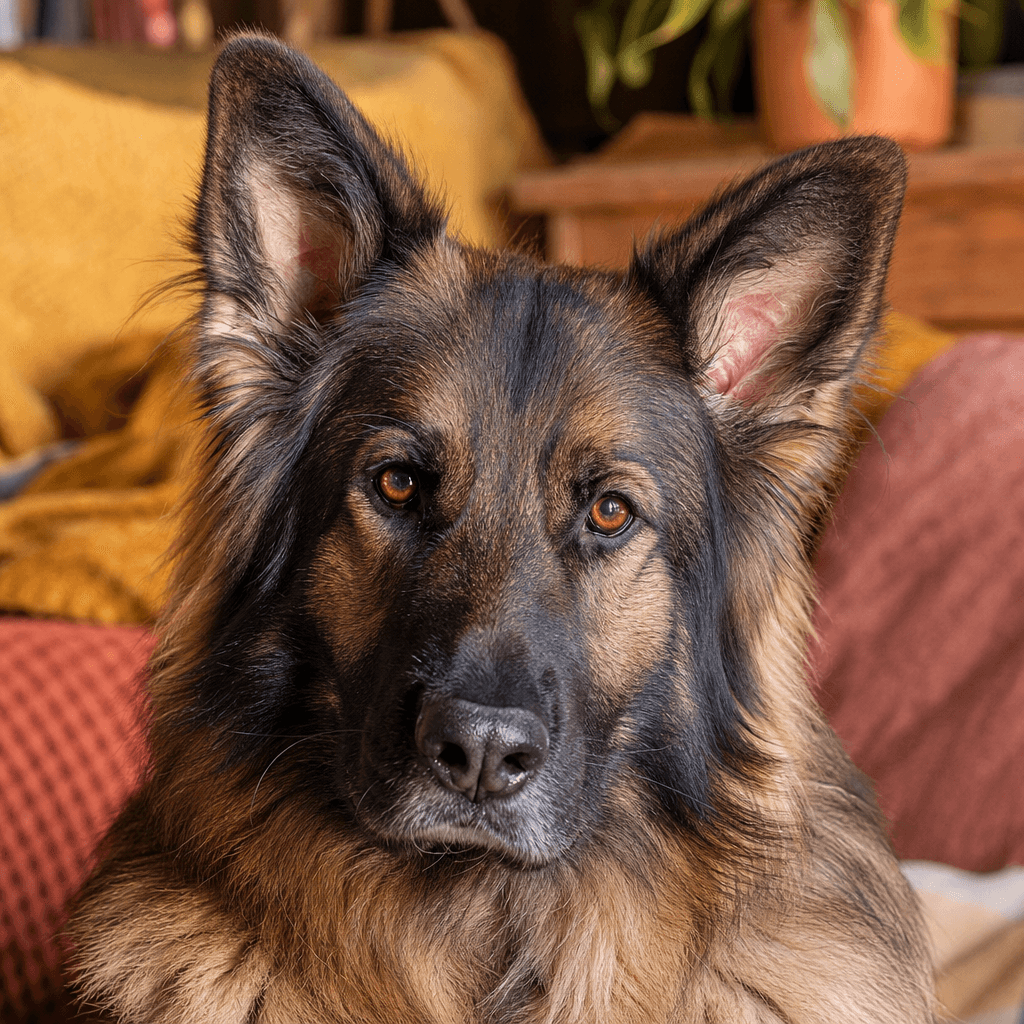
Is a Shiloh Shepherd right for you?
16 quick questions
Question 1of 16
How much structured exercise can you deliver, most days?
The ideal answer: 60–90 minutes plus training/enrichment
Perfect. That steady, predictable workload lets a Shiloh shine—long walks or hikes, some obedience or nosework, and a settle at your feet after. You’ll see the best temperament when the body and brain both clock in; under-exercised Shilohs invent jobs you won’t enjoy.
Question 2of 16
What’s home like, and can the dog stretch out safely?
The ideal answer: House with a securely fenced yard (5–6 ft)
Ideal. A safe, fenced area makes potty breaks, decompression, and training easy, and it spares joints from constant stairs or slick floors. You’ll still do leashed exercise; the yard is for stretching, not self-exercising.
Question 3of 16
What describes your comfort training a big, brainy dog?
The ideal answer: Confident with positive training; enjoy classes
Great. Your timing and consistency will bring out the Shiloh’s eager-to-please side, and you’ll prevent softness from sliding into avoidance. Aim for short, upbeat sessions and watch how quickly this dog reads you.
Question 4of 16
For the first 3–4 months home, can you get out and about?
The ideal answer: Yes—5+ short new experiences weekly
Excellent. Calm café sits, car rides, quiet hardware aisles, and meet-and-greets with steady adult dogs build the unflappable adult you want. Keep sessions short and end on a win so confidence compounds.
Question 5of 16
Brushing and basic grooming—what’s realistic?
The ideal answer: Brush 3–4x weekly; baths and nails on schedule
Perfect. A slicker and undercoat rake will keep mats away (plush) and reduce tumbleweeds (both types). Add monthly nail care and ear checks, and you’ll stay ahead of seasonal blowouts.
Question 6of 16
Double-coat shedding and big-dog glitter on everything?
The ideal answer: Fine—I own lint rollers and a good vacuum
You’re set. A robot vacuum on a daily schedule and a couch cover during blowouts makes life easy. Most owners stop noticing after they build a routine.
Question 7of 16
What summers look like where you live:
The ideal answer: Cool to moderate; AC at home
Great fit. You’ll enjoy long, comfy walks most of the year and reserve the real work for spring and fall. In winter, your Shiloh will likely request extra time in the snow.
Question 8of 16
An unexpected $1,200–$2,500 vet bill would be…
The ideal answer: Covered—savings or pet insurance in place
Excellent. Consider enrolling in insurance while the dog is young and discuss preventive options like gastropexy with your vet if appropriate. With a cushion, health quirks stay manageable detours, not crises.
Question 9of 16
How comfortable are you managing a giant puppy’s growth and joints?
The ideal answer: Confident—have a plan and will follow it
Perfect. You’ll protect hips and elbows with moderate, low-impact exercise, surface management, and smart nutrition. That patience pays off in a sound, athletic adult.
Question 10of 16
Who’s regularly in your space?
The ideal answer: Adults and kids 8+ who follow rules
Great fit. With respectful handling and supervised routines, Shilohs become quiet guardians and cuddle machines. Expect a shadow who checks each bedroom at night before settling.
Question 11of 16
What’s the small-animal situation?
The ideal answer: Resident dog/cat, I can do slow, structured intros
Excellent. Gate-and-rotate, leashed greetings, and calm reinforcement set you up for a smooth blend. Expect weeks, not days, and reward neutrality more than enthusiasm.
Question 12of 16
On a typical weekday, your dog would be alone…
The ideal answer: Rarely—someone’s home or I use a sitter/daycare
Ideal. With company and a mid-day break, your Shiloh will snooze between outings and greet you ready to work. This is where the breed’s devotion feels like magic, not pressure.
Question 13of 16
How much barking can your setting tolerate?
The ideal answer: Fine with alert barks; we’ll train ‘quiet’
Great match. Pair a solid ‘thank you, quiet’ cue with practice reps and you’ll keep the neighborhood peace. Mental work plus exercise reduces boredom barking, too.
Question 14of 16
Beyond walks, can you give this dog a ‘job’?
The ideal answer: Yes—classes or focused training weekly
Perfect. A weekly class plus daily five-minute drills will keep problem-solving needs met and strengthen your bond. Many Shilohs make standout therapy teams once mature.
Question 15of 16
Be honest: leash control, stairs, and bath time with a giant dog?
The ideal answer: Confident—fit enough and skilled with big dogs
You’ll be fine. Start loose-leash skills early, use good equipment, and install a rock-solid settle. Bathing is a two-towel, high-velocity-dryer event—plan the space.
Question 16of 16
How will you source your dog?
The ideal answer: Health-tested breeder or reputable rescue, no shortcuts
That’s the path. Ask for OFA/PennHIP hips and elbows, DM testing, and temperament notes, and meet relatives when possible. Good sources support you for the dog’s lifetime.
Your result
Answer the 16 questions above and your match score appears here.