Shikoku Match Quiz
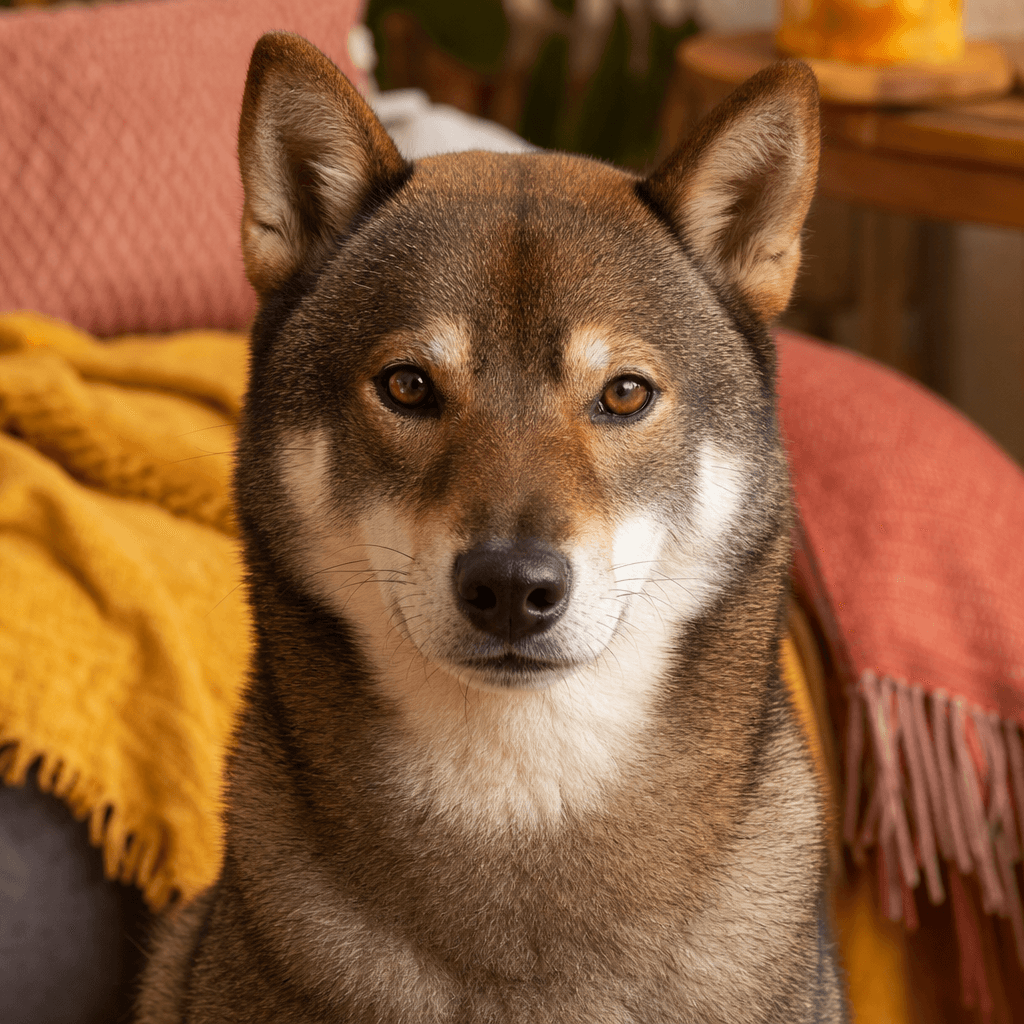
Is a Shikoku right for you?
15 quick questions
Question 1of 15
How much purposeful exercise can you give, most days?
The ideal answer: 90+ minutes of vigorous work (hikes, runs, hills)
That’s exactly this breed’s lane. With long, varied outings, a Shikoku’s edge softens into focus and you get the thoughtful companion people fall for. Keep joints happy by building mileage gradually and mixing in off-road footing and scent breaks.
Question 2of 15
What activities sound like your life with a dog?
The ideal answer: Regular hikes/trail runs, weekend mountain days
Perfect. This breed shines when the footing changes and the miles add up, and you’ll see their best manners after they’ve worked. Pack water, a well-fitted harness, and keep wildlife in mind — long line over free-running is the safer choice.
Question 3of 15
What’s your outdoor setup?
The ideal answer: 6+ ft solid fence, locked gates, dig guards
Excellent — that’s the level of security a Shikoku actually respects. Add visual barriers at tempting corners and supervise outdoor time, especially in the first months while you learn where curiosity leads. Invisible fences don’t stop prey drive; real barriers do.
Question 4of 15
Be honest about recall:
The ideal answer: Leash/long line is my norm; I don’t need off-leash trails
Great — you’ll prevent the exact scenarios that strain this breed. A long line preserves freedom and safety, and you can still teach a gorgeous recall for fenced fields. That habit alone saves a thousand headaches.
Question 5of 15
Which training tone fits you best?
The ideal answer: Calm, reward-based, consistent boundaries
You’re speaking this breed’s language. Use food, toys, and access to sniffing as paychecks, and keep reps short and purposeful. You’ll see quick learning and a dog that chooses to work with you rather than argue with you.
Question 6of 15
Your dog-owning background:
The ideal answer: I’ve raised independent/primitive or working breeds
Perfect — you already expect negotiation, management, and a long adolescent phase. Put that experience into early socialization and impulse control, and a Shikoku becomes a deeply rewarding partner.
Question 7of 15
Which description fits your world?
The ideal answer: Calmer circles; I’ll do structured, steady socialization
Excellent. Controlled exposures, neutral hangs, and rewarding curiosity build a confident dog who can ignore the world when needed. Teach a default sit and a "let’s go" and you’ll glide past 90% of urban friction.
Question 8of 15
Any small animals in the mix?
The ideal answer: No small pets at home
That’s the easiest path. You can focus on wildlife management outside — long lines, solid leave-its, and door control — without indoor conflicts. It simplifies life for everyone.
Question 9of 15
Planning a multi-dog household?
The ideal answer: One-dog home suits me
Great — being an only dog lets a Shikoku relax and bond without competition. You can still build social skills with known friends and calm parallel walks.
Question 10of 15
Brushing and hair in the house — where do you land?
The ideal answer: Weekly brushing; ready for seasonal undercoat duty
Perfect. A slicker plus undercoat rake and a quick weekly once-over keeps things tidy, and you’ll catch burrs and skin issues early. During coat drops, daily 5–10 minute sessions prevent tumbleweeds from taking the house.
Question 11of 15
What’s your climate like?
The ideal answer: Cool/temperate; summers are moderate
Ideal. You’ll get long, comfortable seasons for real work, and winter merely adds style points. In any climate, carry water and rest in shade on longer days.
Question 12of 15
Upfront and ongoing costs feel…
The ideal answer: Planned: reputable breeder costs, classes, and insurance
You’re set up for success. Health testing (hips, patellas, eyes) matters in this population, and early training classes pay dividends. Pet insurance or a solid savings buffer turns surprises into inconveniences, not crises.
Question 13of 15
On a typical weekday, the dog would be alone…
The ideal answer: 3–5 hours, with a walk or enrichment before and after
Great balance. A worked brain and body nap well, and a stuffed kong or sniff mat takes the edge off. Build up duration gradually so the routine feels normal, not a sudden separation.
Question 14of 15
How do you feel about training beyond the basics?
The ideal answer: Excited to do a sport or scent games weekly
Perfect fit. A clear job channels drive into cooperation and makes everything else easier — recall, impulse control, even politeness at the door. You’ll see a calmer dog after every session.
Question 15of 15
How much dog sound can your home handle?
The ideal answer: Some alert barks/howls are fine; I’ll train a quiet cue
That mindset works. Reinforce quiet, manage windows and trigger views, and meet the exercise quota so boredom doesn’t fuel commentary. You’ll keep noise in the "useful" lane.
Your result
Answer the 15 questions above and your match score appears here.