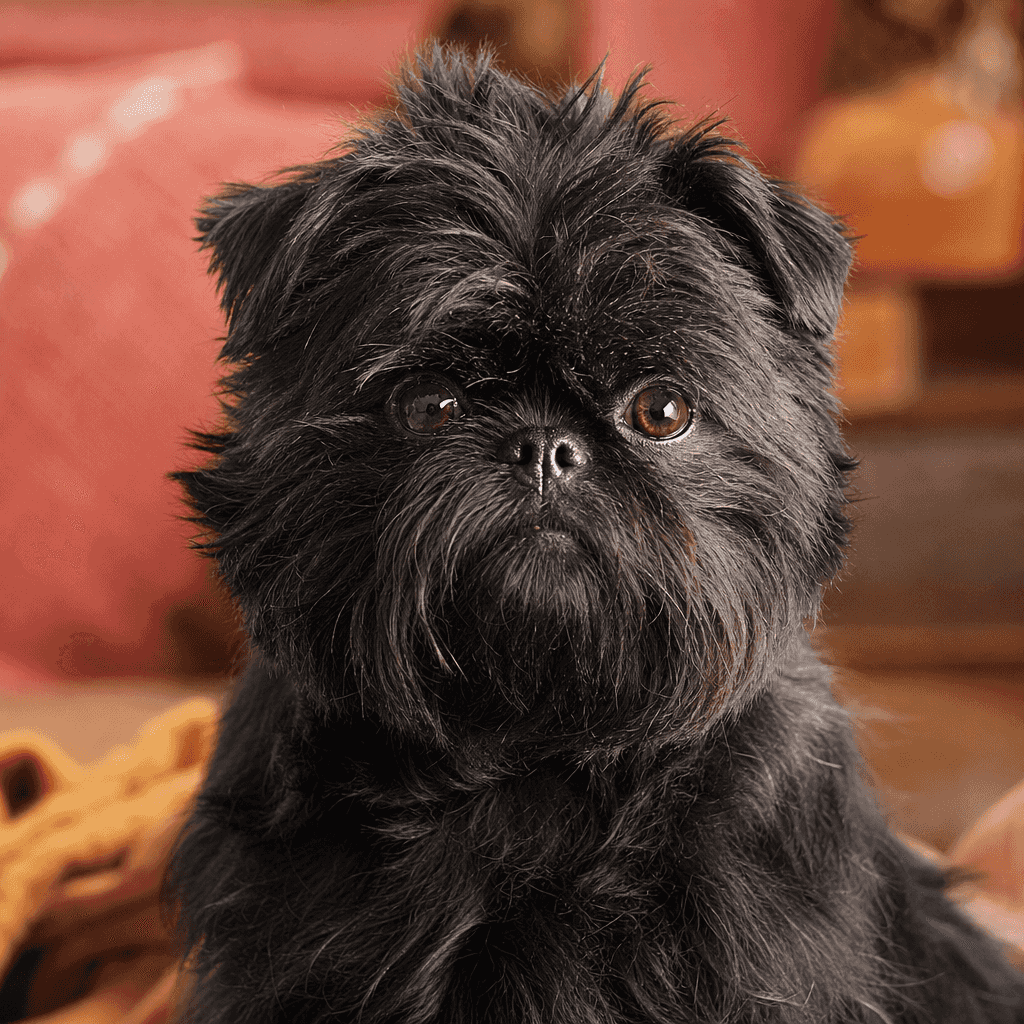
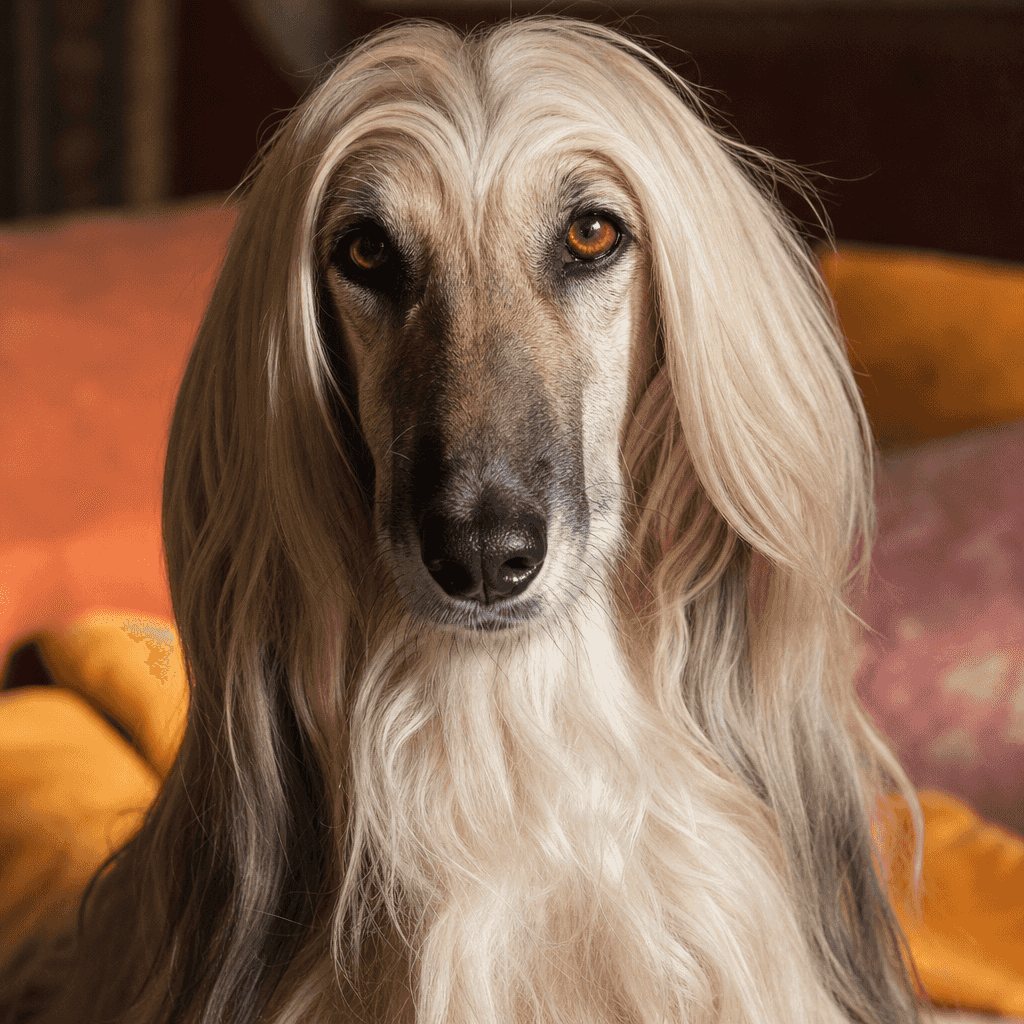
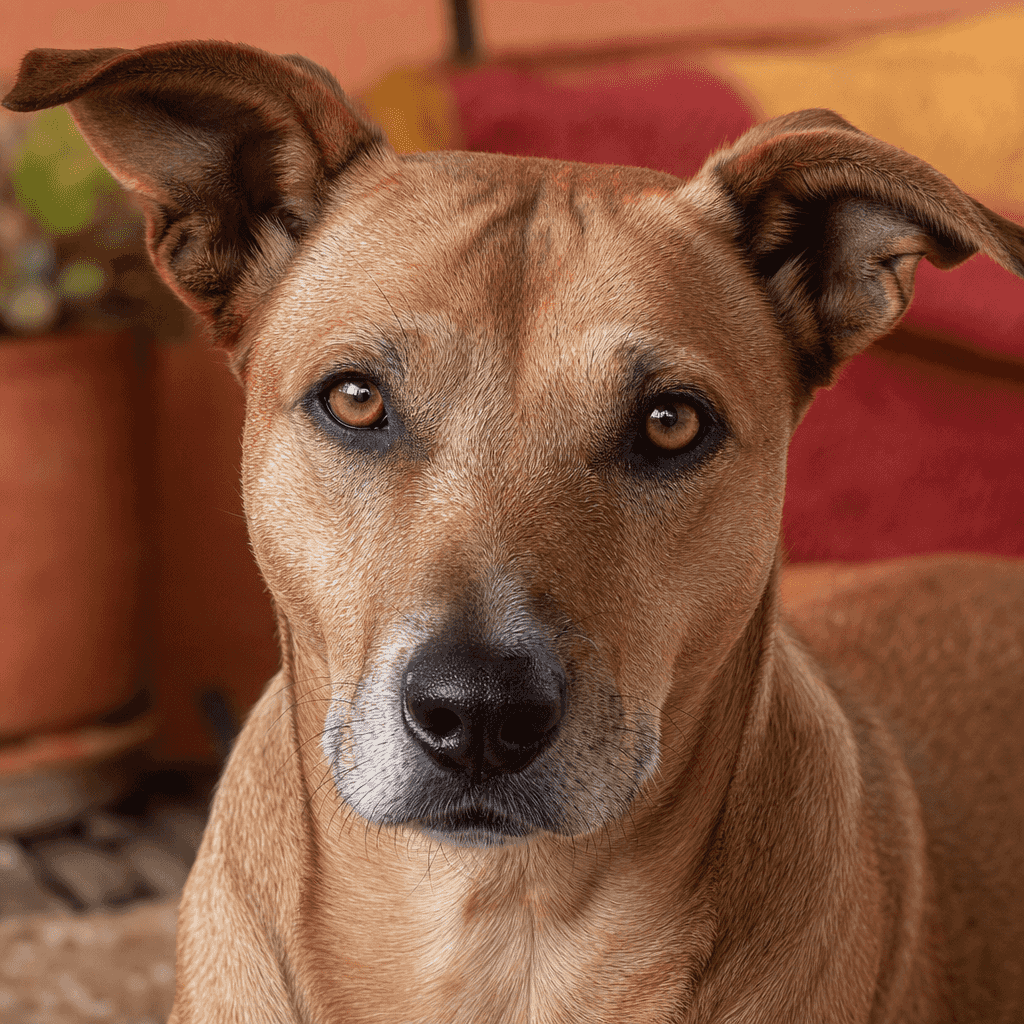
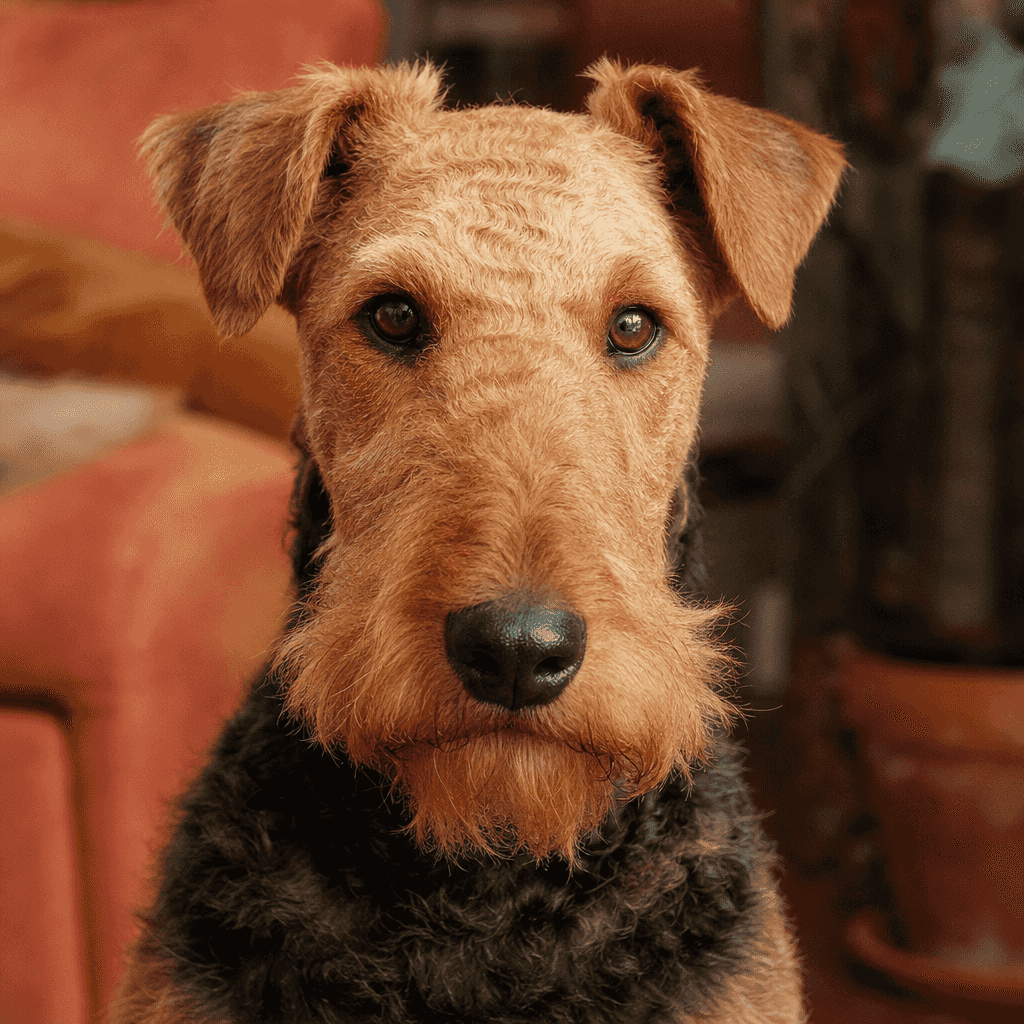
Shiba Inu Match Quiz
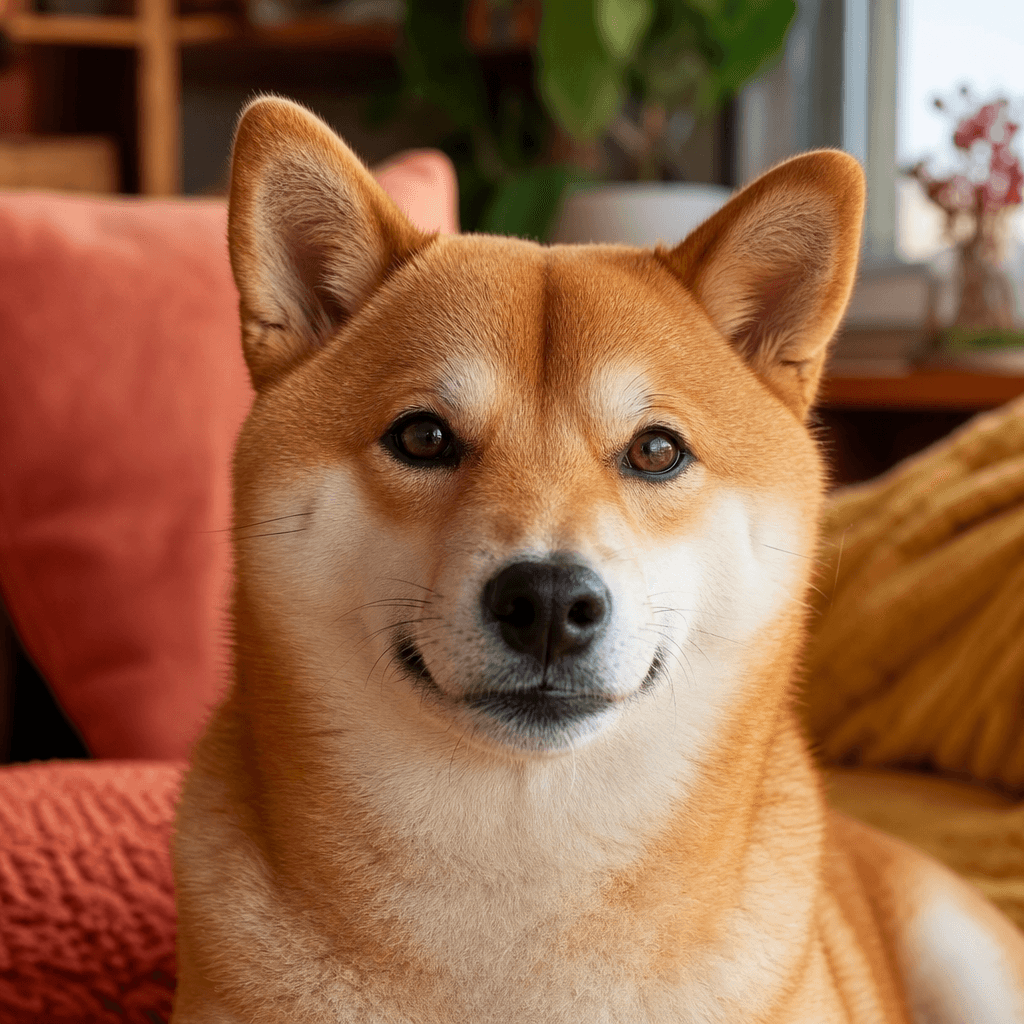
Is a Shiba Inu right for you?
15 quick questions
Question 1of 15
What does an ideal weekday look like for you and a dog?
The ideal answer: Two brisk walks and some training or games
Perfect—this is the Shiba sweet spot. With morning and evening walks plus a bit of brain work (sniffing games, short training, flirt pole), a Shiba settles nicely at home. Keep sessions purposeful and you’ll see a smart, satisfied dog rather than a bored escape artist.
Question 2of 15
When you picture the relationship, what matters most?
The ideal answer: An affectionate but independent roommate
That’s a Shiba in one sentence. You’ll get moments of cuddles, a lot of quiet companionship, and a dog that chooses proximity over constant touch. Respect the space and you’ll earn more of the affection you want.
Question 3of 15
How do you feel about short, reward-based training with uneven progress?
The ideal answer: I’m patient and enjoy shaping behavior with treats and games
Great fit. Five-minute sessions, high-value rewards, and ending on a win hook a Shiba’s interest. You’ll build solid manners and management even if "perfect obedience" never shows up.
Question 4of 15
Your stance on off-leash freedom is…
The ideal answer: Always leashed or in securely fenced areas
Excellent. With this mindset, you’ll keep your Shiba safe and happy—long lines, double-clip harnesses, and secure fields give plenty of freedom without risk. You’ll skip the most heartbreaking Shiba stories.
Question 5of 15
Puppy classes, new places, and meeting people and dogs—what’s the plan?
The ideal answer: I’ll enroll in classes and plan weekly, controlled exposures
Perfect. Pair neutral-to-positive exposures with generous rewards and lots of "let’s watch" instead of forced greetings. This builds confidence without creating a social butterfly your Shiba never wanted to be.
Question 6of 15
Twice-yearly coat blowouts and regular brushing—how do you feel?
The ideal answer: Bring it—I own a good vacuum and a slicker brush
Perfect attitude. A slicker brush and metal comb weekly (more in shedding season) keep the coat healthy, and baths are occasional since Shibas are naturally clean. Expect fur tumbleweeds for a few weeks twice a year—totally normal.
Question 7of 15
Nail trims, harnessing, vet handling—are you up for training it kindly?
The ideal answer: Yes—I’ll train consent cues and go slow
Great plan. Start with chin rest/"touch" games, pair handling with high-value treats, and stop before frustration spikes. You’ll turn a potential battle into a practiced routine that pays off for years.
Question 8of 15
Where will your Shiba live?
The ideal answer: Apartment or condo
That can work beautifully. With daily brisk walks, puzzle feeders, and good elevator/doorway management to prevent dashes, many Shibas thrive in apartments. They’re generally quiet indoors, aside from objection noises during handling.
Question 9of 15
Describe your yard and door security:
The ideal answer: 6-ft solid fence, latched gates; I use baby gates at doors
Excellent. That setup prevents the classic Shiba oops—someone opens a gate, dog vanishes. Add a snug harness and ID tags, and you’ve covered the big risks.
Question 10of 15
Which best describes your household?
The ideal answer: Calm adults, predictable routine
Ideal. A steady household lets a Shiba relax into good habits—watchful, humorous, and tidy. You’ll see the breed’s best manners quickly.
Question 11of 15
Any cats, rabbits, or pocket pets in the mix?
The ideal answer: No small pets
Easiest path. Without small prey triggers, you can focus on training and enrichment without extra management. Squirrels will still be their favorite TV channel on walks.
Question 12of 15
On a typical workday, your dog would be alone…
The ideal answer: 2–4 hours, often with hybrid/remote schedules
Great—this suits a Shiba’s independent streak. A walk before you leave and a food puzzle when you go keeps the day smooth.
Question 13of 15
Your typical summer is…
The ideal answer: Cool to mild; AC available
Ideal. You’ll enjoy long, peppy walks most of the year. In summer, stick to shade and cooler hours and your Shiba will thrive.
Question 14of 15
An unexpected $800–$1,200 vet bill would be…
The ideal answer: Covered—savings or pet insurance in place
Excellent. Consider insurance early, before any issues are pre-existing, and add annual eye checks and orthopedic screenings. With a safety net, you can handle the curveballs this sturdy-but-not-invincible breed can throw.
Question 15of 15
Your plan for dog-dog play is…
The ideal answer: Curated friends, parallel walks, and small playdates
Bullseye. This setup fits the Shiba temperament—controlled intros, matched play styles, and clear exit plans. You’ll avoid scuffles and build real social skills.
Your result
Answer the 15 questions above and your match score appears here.