Scottish Deerhound Match Quiz
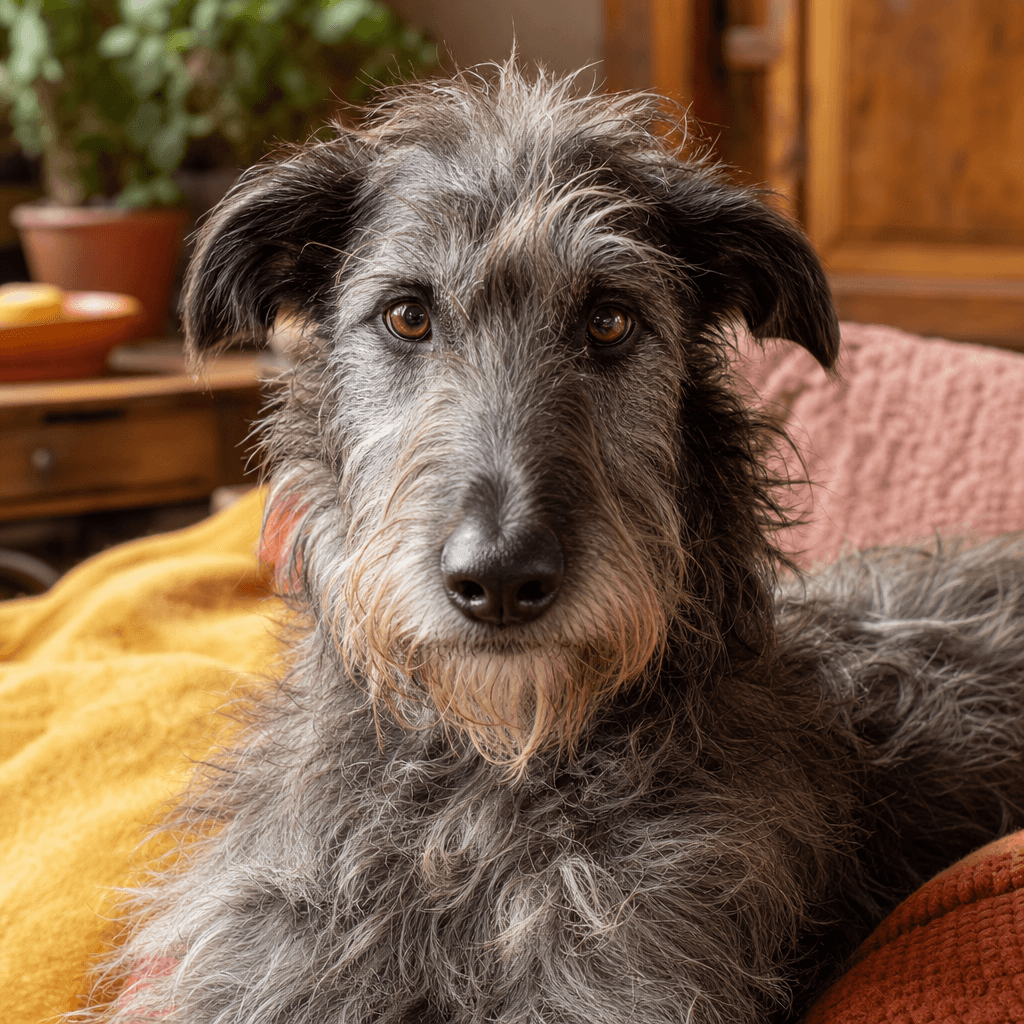
Is a Scottish Deerhound right for you?
15 quick questions
Question 1of 15
What kind of daily exercise are you hoping to share?
The ideal answer: Leisurely walks plus fenced sprints
That plan fits the breed beautifully. Daily leash walks paired with a couple of gallop sessions in a secure field or large fenced yard match a Deerhound’s “couch-plus-rocket” rhythm. You’ll see a serene housemate and a delighted runner instead of a frustrated giant.
Question 2of 15
Which description matches your home setup best?
The ideal answer: Large yard, 5–6 ft secure fence
Perfect. A tall, escape‑proof fence lets a Deerhound stretch out safely and burn the kind of energy only sighthounds understand. You’ll still leash outside the yard — prey drive overrides recall — but at home you can relax and enjoy the zooms.
Question 3of 15
Any cats, rabbits, or pocket pets at home?
The ideal answer: No small pets
That’s the simplest, safest setup for a Deerhound. Without small prey‑sized roommates, you can focus on fulfilling the chase instinct with toys and fenced runs instead of household management. Walks still stay leashed — squirrels don’t sign peace treaties.
Question 4of 15
How do you picture time outside of fenced areas?
The ideal answer: Leashed unless fully fenced
That mindset keeps Deerhounds safe. Treat recall as a bonus, not a plan, and save true freedom for fenced spaces. With that boundary set, you’ll enjoy relaxed walks instead of white‑knuckle ones.
Question 5of 15
What’s your training style, honestly?
The ideal answer: Positive, patient, food‑and‑fun forward
That approach is Deerhound gold. Short, upbeat sessions and generous reinforcement build eager cooperation, especially for essentials like recall cues, loose‑leash walking, and polite greetings. You’ll get more with kindness than you ever could with pressure.
Question 6of 15
How much coat care are you up for?
The ideal answer: Weekly brush and occasional stripping
Perfect for this coat. A slicker plus a coarse comb after runs keeps burrs from becoming dreadlocks, and a light hand‑strip a few times a year tidies furnishings. You’ll also spot skin nicks and foxtails early, which saves vet trips.
Question 7of 15
On a typical weekday, your dog would be alone…
The ideal answer: Rarely — someone’s around or a midday break
That’s ideal. With company most days and a stretch‑your‑legs break, a Deerhound settles into a calm rhythm and saves the zooms for outside. Expect peaceful afternoons and a companion who’s near, not needy.
Question 8of 15
Describe your household vibe.
The ideal answer: Calm adults or teens
That’s the Deerhound sweet spot. You’ll get a quiet shadow who picks favorite sofas and moves like fog through the house. With a steady routine, their best trait — deep, dignified affection — comes forward quickly.
Question 9of 15
Your local climate is…
The ideal answer: Cool to temperate, good seasons
Lovely for a Deerhound. You’ll enjoy long rambles most of the year; just add a coat for wet, windy days if your hound runs lean. Indoors, provide thick bedding to protect elbows and hips from hard floors.
Question 10of 15
An unexpected $1,500 vet bill would be…
The ideal answer: Covered — savings and/or insurance
You’re set up for the realities of a giant sighthound. Consider pet insurance from day one and discuss prophylactic gastropexy (bloat prevention) when spaying/neutering. With funds in place, scary moments become solvable problems instead of crises.
Question 11of 15
How would you get a 32‑inch, 100‑lb dog around?
The ideal answer: Wagon/SUV and I can use a ramp
Ideal. A roomy vehicle and a ramp protect joints and make vet runs or adventures easy. Add nonslip mats at home and your Deerhound will float through life, even as a senior.
Question 12of 15
What feeding routine sounds most like you?
The ideal answer: Two–three small meals with rest windows
Great plan. Spacing meals, avoiding hard play an hour before and after, and learning bloat signs stack the odds in your favor. Talk to your vet about prophylactic gastropexy — it doesn’t prevent bloat but can prevent the deadly twist.
Question 13of 15
How ready are you to “size‑proof” your home?
The ideal answer: Ready — rugs, high shelves, giant bed
Fantastic. With traction, a thick orthopedic bed, and food kept out of reach, life with a Deerhound feels effortless. You’ll also prevent calluses and the occasional tail‑of‑doom mishap in tight spaces.
Question 14of 15
What do you want in terms of watchdog behavior?
The ideal answer: Prefer a mostly quiet companion
Perfect match. Deerhounds are famously low‑bark indoors and tend to welcome guests with gentle interest. If you value peace over patrol, you’ll be delighted.
Question 15of 15
What kind of “fun work” sounds appealing?
The ideal answer: Lure coursing/sprint games + sniff work
That’s the sweet spot. Short, thrilling chases in safe spaces, paired with quiet nosework or puzzle feeders, leave a Deerhound deeply satisfied. You’ll see better manners and a softer settle at home.
Your result
Answer the 15 questions above and your match score appears here.