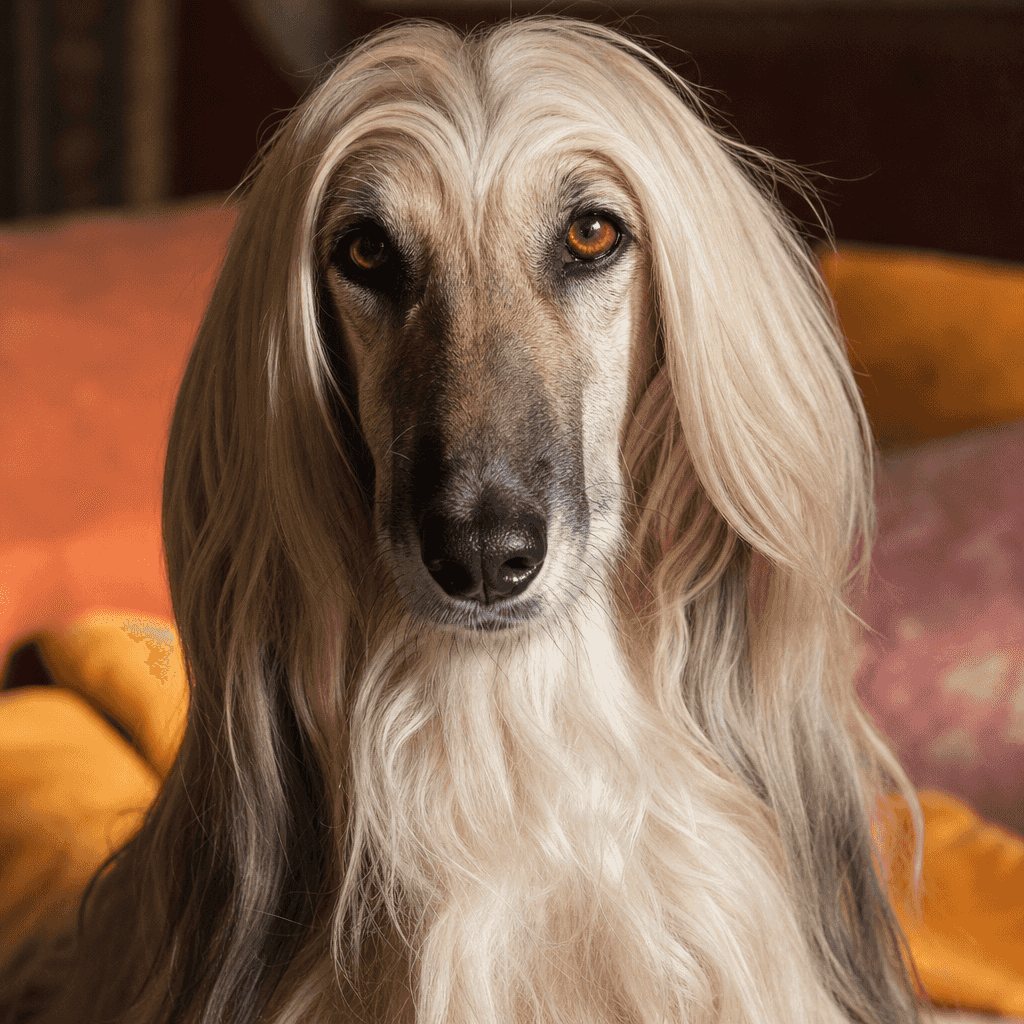
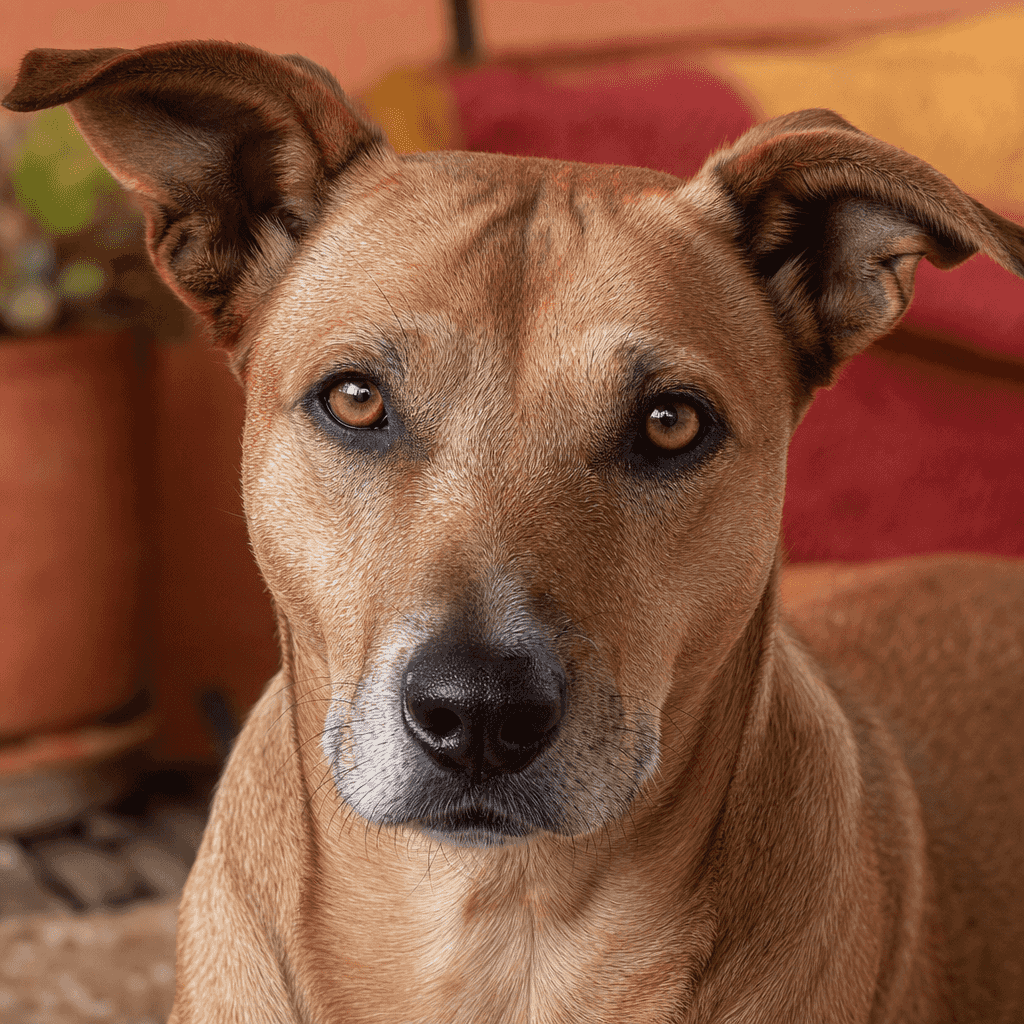
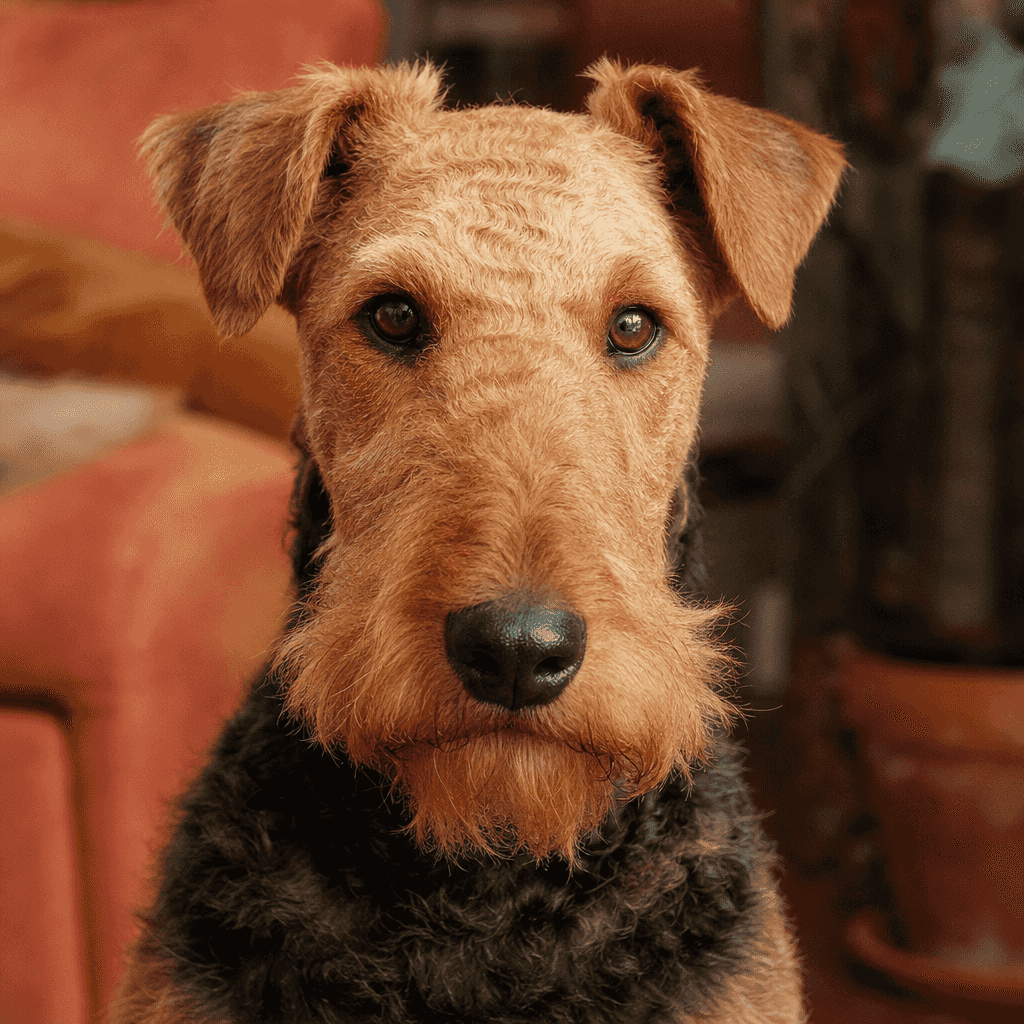
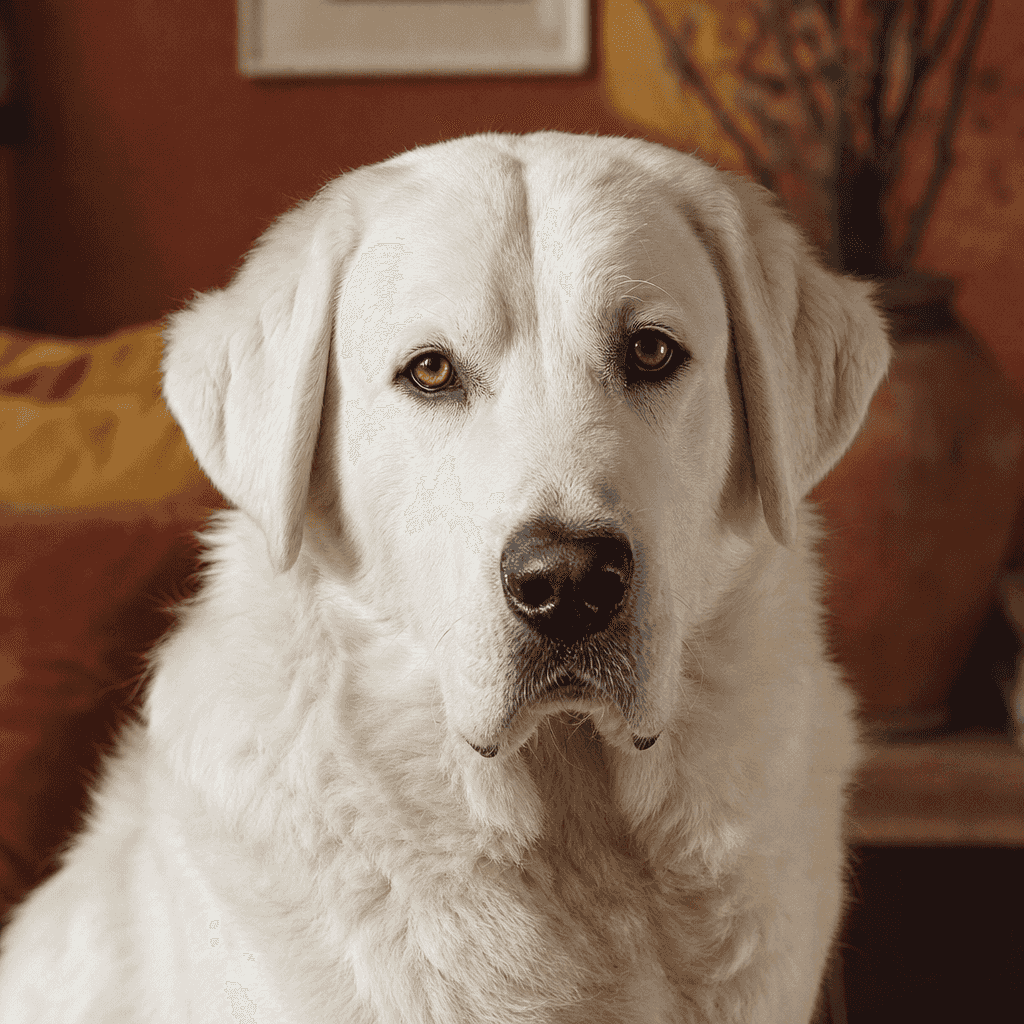
Schipperke Match Quiz
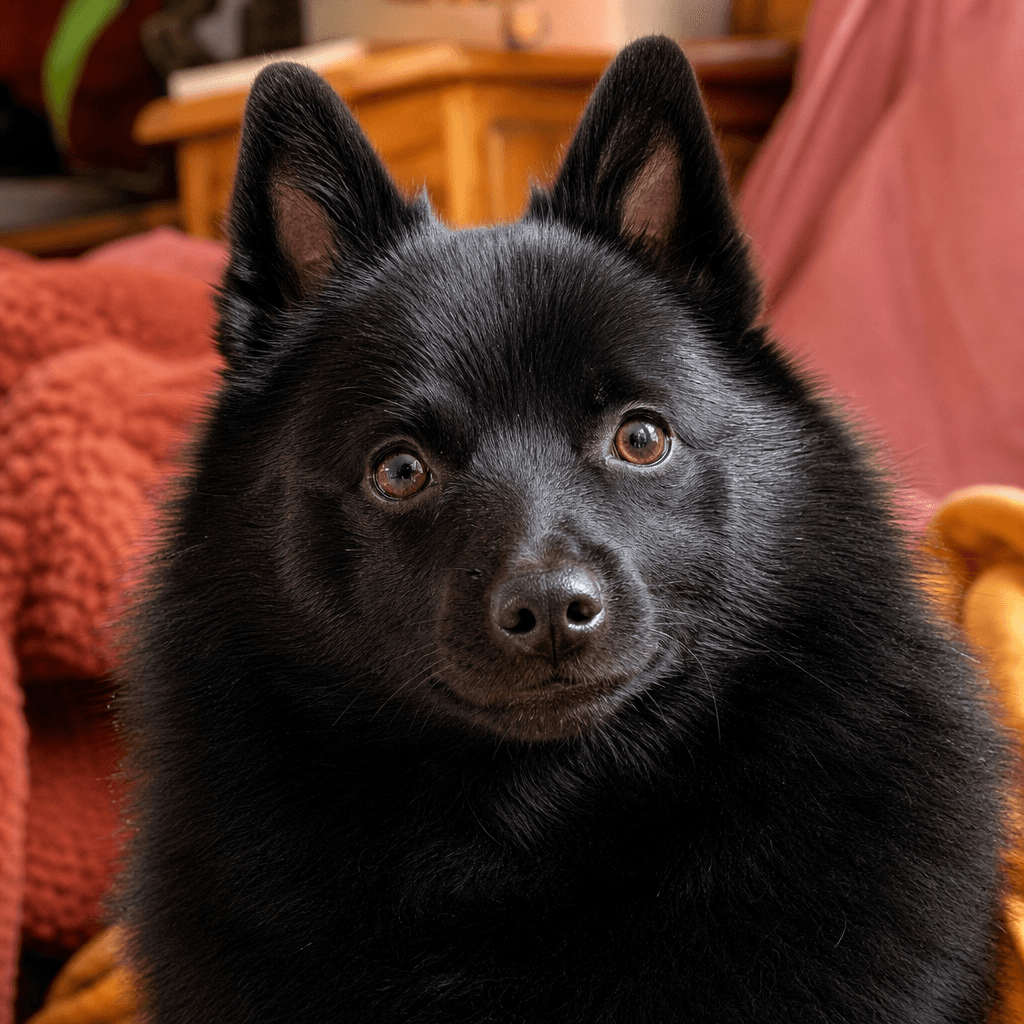
Is a Schipperke right for you?
15 quick questions
Question 1of 15
How active are you, most weeks?
The ideal answer: I like long walks, hikes, and training days
That’s the sweet spot. A Schipperke will happily clock miles appropriate for a small dog, then switch to drills, tricks, or scent games when you get home. Just remember they’re sturdy, not endurance runners — build distance slowly and keep them leashed around wildlife.
Question 2of 15
Where will this dog live?
The ideal answer: House with a secure fenced yard
Ideal. A real fence (not invisible) gives a Schipperke a safe patrol zone and helps you burn energy with recall games and fetch-on-a-line. Supervise anyway — these clever jumpers and diggers are known for testing weak spots.
Question 3of 15
How tight is your containment plan?
The ideal answer: 6-ft fence, latched gates, leashes at doors
Perfect — you’re thinking like a Schipperke. Keep up the habits (gear on before doors open, check fence lines monthly), and add a rock-solid wait cue at thresholds. That diligence turns a potential hazard into a non-issue.
Question 4of 15
What’s your training vibe?
The ideal answer: I love short, positive, daily sessions
You’ll have a blast. Clicker training, shaping games, and trick titles channel that big brain and produce a willing partner instead of a debater. Keep sessions under ten minutes and end while your dog still wants more.
Question 5of 15
Beyond walks, how will you work that brain?
The ideal answer: Agility, scent work, tricks — several times a week
Perfect fit. This breed punches way above its size in agility and nosework, and tricks keep rainy days sane. Rotate activities to prevent boredom and you’ll see focus, not mischief.
Question 6of 15
About barking and your neighbors…
The ideal answer: I’m fine with a vocal watchdog and will train “quiet”
Great attitude. Pair a doorbell mat with a treat station and reward quiet after one or two alerts so your dog learns when the job is done. Management (frosted windows, white noise) keeps successes coming.
Question 7of 15
What critters share your world?
The ideal answer: No small pets; happy to leash and supervise
That’s ideal. With no temptations at home, you can concentrate on impulse control outdoors — think leave-it games and nosework to redirect the chase brain. Long lines let you practice safely.
Question 8of 15
How important is true off-leash freedom?
The ideal answer: I’m fine keeping a leash on outdoors
Perfect. Treat the leash as a passport to sniffy adventures, not a limiter, and you’ll never miss off-leash. Your consistency keeps your dog safe and wildlife unbothered.
Question 9of 15
On a typical weekday, the dog would be alone…
The ideal answer: Rarely — someone’s usually around
That’s ideal for this people-oriented watchdog. With company and a pre-nap walk, most Schips snooze between little patrols. Use a chew or puzzle to make departures boring and predictable.
Question 10of 15
Brushing and baths — how do you feel?
The ideal answer: Weekly brushing and routine baths are easy
Perfect mindset. A slicker brush and metal comb once or twice a week prevent undercoat mats and keep the trademark ruff looking sharp. Use a blower during sheds to move hair from dog to trash, not couch.
Question 11of 15
Dog hair on floors and clothes…
The ideal answer: Totally fine — lint rollers at the ready
You’ll adapt quickly. A robot vacuum on a daily schedule and a washable couch throw keep life civilized, and you might even find the grooming sessions relaxing. During blowouts, more frequent brushing shortens the storm.
Question 12of 15
An unplanned $800–$1,200 vet bill would be…
The ideal answer: Handled — savings or pet insurance in place
Great. Insurance started young covers the big stuff — orthopedic fixes, diagnostics if seizures ever appear, and dental work many small dogs need. Ask breeders for OFA/Patella, eye exams, thyroid results, and MPS IIIB clear/carrier status.
Question 13of 15
Your local climate is…
The ideal answer: Cool to temperate most of the year
Lovely. This coat was built for brisk air, and you’ll see peak zoomies in the cold. Keep nails short for winter traction and rinse road salt off paws after walks.
Question 14of 15
Tell us about your household vibe.
The ideal answer: Adults or calm home with teens
Bullseye. Expect a devoted shadow who patrols the perimeter, snuggles on their terms, and shines when you give them a job. A quiet crate or bed gives them a predictable off-switch.
Question 15of 15
Picture weekends and trips — what do you see?
The ideal answer: Road trips, hikes, maybe a kayak or two
Sounds perfect. Use a crash-tested car harness or crate, and practice settle-in-cafe skills so your Little Captain can join everywhere. Around water, a snug life jacket and a leash at docks keep adventures fun.
Your result
Answer the 15 questions above and your match score appears here.