Samoyed Match Quiz
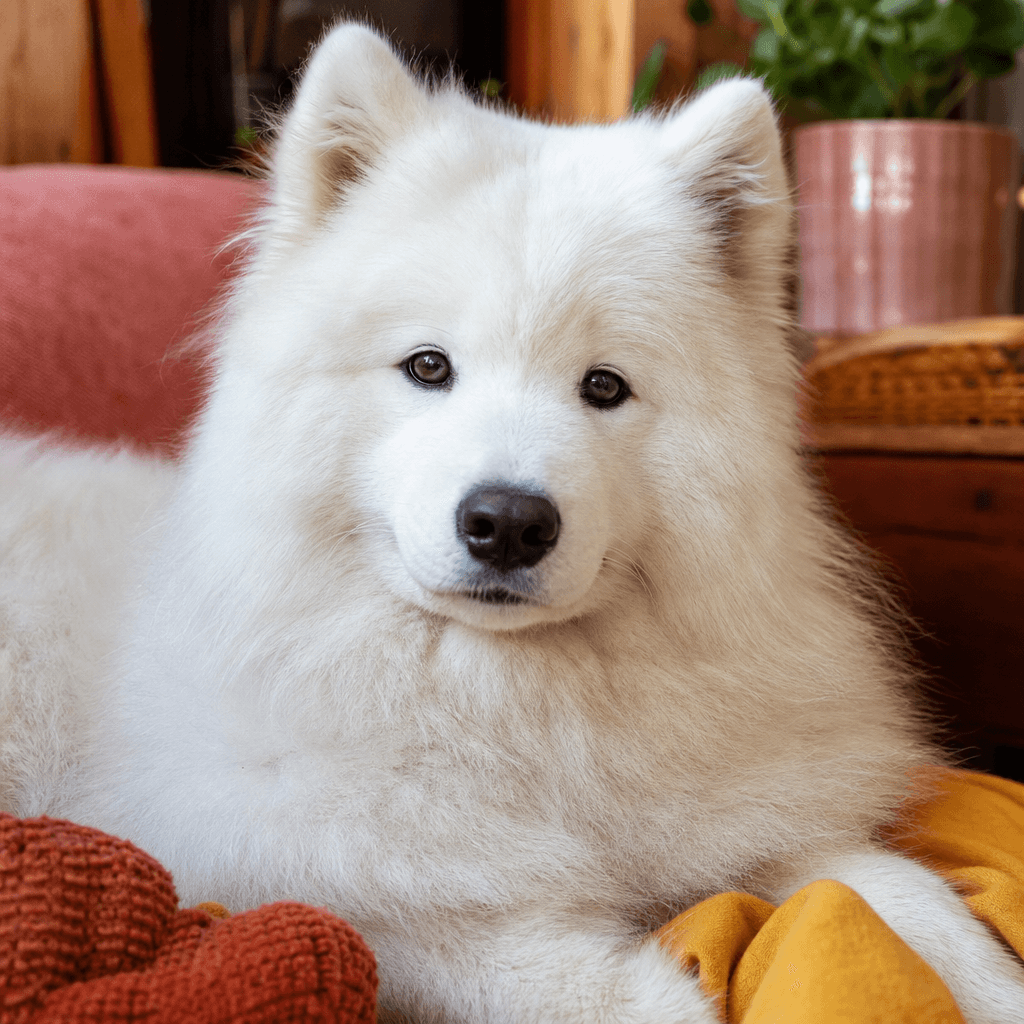
Is a Samoyed right for you?
15 quick questions
Question 1of 15
How active are you most days?
The ideal answer: I’m out for hard walks/runs most days
That sounds like a Samoyed’s dream schedule. With your activity level, you can channel that working-dog motor into healthy outlets like canicross, hiking, or long brisk walks with training breaks. Expect a calmer, easier housemate when those miles are part of most days.
Question 2of 15
Where will this fluffy teammate live?
The ideal answer: House with a secure, fenced yard
Great — that setup gives a Samoyed room for short zooms and a safe spot to train and play. You’ll still need real walks and brain work, but the yard takes the edge off between outings. Just expect some digging: many Sammies sculpt cooling pits as a hobby.
Question 3of 15
Your summers are…
The ideal answer: Mild to cool; we get real winters
Perfect — a Samoyed will thrive in your climate. Expect extra pep in cold weather and a dog who happily logs miles in snow. You’ll still watch for ice balls in the fur and paw care, but heat risk won’t dominate your routine.
Question 4of 15
Two thorough brush-outs a week (daily during shed season) — can you commit?
The ideal answer: Yep — I can schedule it and stick to it
Love it — your consistency is the secret to a beautiful, healthy coat. With a slicker, metal comb, and an undercoat rake, you’ll stay ahead of mats and reduce tumbleweeds dramatically. Many owners pair home care with a pro groom a few times a year for blow-dry and tidy-up.
Question 5of 15
Dog hair on everything, spring and fall blowouts — how do you feel?
The ideal answer: Bring on the fluff — I’ll wear it with pride
That attitude is half the battle. With your expectations set, a robot vacuum and weekly brush-outs will keep the fluff civilized, and blowouts become a funny seasonal event. You’ll still find hairs on black clothes and car seats — it’s part of the package.
Question 6of 15
How much barking and "woo-woo" talking can your household tolerate?
The ideal answer: We’re fine with a chatty dog
Great — you’ll enjoy the commentary. Still teach a cue like "quiet" and reward calm, and give your Sammy a job before guests arrive so excitement doesn’t turn into a concert. Well-exercised and engaged, they narrate less and relax more.
Question 7of 15
Your approach to training is…
The ideal answer: Consistent, positive, and I like the process
Perfect — this breed blossoms with your style. Use treats, play, and frequent mini-sessions to keep things fun, and you’ll get solid manners plus tricks for mental burn. You’ll also find recall and impulse control steadily improve with games, not lectures.
Question 8of 15
What’s your plan for safe freedom?
The ideal answer: 6‑ft physical fence and gates that latch
Excellent — that’s the gold standard for a Samoyed. With secure fencing, you can burn energy safely and work on recalls without risking a chase. Still expect to block dig-spots near the fence line with landscaping or buried wire mesh.
Question 9of 15
On a typical weekday, the dog would be alone…
The ideal answer: Rarely — someone’s usually home or can pop in
Nice — that suits a people-focused breed. With company around, your Sammy will nap between outings and be easier to settle. Expect a deeply attached shadow who thrives on routine.
Question 10of 15
An unexpected $1,200 dog bill (grooming or vet) would be…
The ideal answer: Covered — savings or insurance in place
Perfect — that safety net matters with this breed. Eye care, hip screening, and periodic dental or thyroid work aren’t unusual, and blowout-season grooms can be lengthy. With a fund or policy, these are frustrations, not crises.
Question 11of 15
Your household looks like…
The ideal answer: Adults and/or respectful kids 6+
Lovely — that’s a classic match. Teach kids to steer clear of the dog’s food and to expect enthusiastic greetings from a fluffy friend. With routine and exercise, you’ll have a gentle, goofy family teammate.
Question 12of 15
What kind of "work" can you offer your Samoyed?
The ideal answer: Weekly classes or organized dog sports
Fantastic — this breed eats that up. Structured work channels energy, builds impulse control, and deepens your bond. Expect a noticeably mellower housemate on training days.
Question 13of 15
Your tolerance for mess is…
The ideal answer: High — I’ve got mats, towels, and a robot vac
Perfect — you’re speaking fluently in Sammy. Park towels at the door, do a 60‑second paw/leg wipe after outings, and pop a slicker brush by the entry to catch debris before it migrates. Your systems will save your floors and your sanity.
Question 14of 15
Anyone in the home sensitive to pet hair or dander?
The ideal answer: No known allergies here
Great — that removes a major concern. You’ll still want good airflow and routine cleaning because of the sheer volume of coat, but comfort won’t hinge on HEPA filters and laundry schedules.
Question 15of 15
Your plan for finding a Samoyed is…
The ideal answer: Reputable breeder or breed rescue, health tests in place
Excellent — that choice protects dogs and your future self. Ask for OFA/PennHIP hips and CAER eye results, and meet adult relatives if possible. Rescues can also match you with the right temperament without puppy chaos.
Your result
Answer the 15 questions above and your match score appears here.