Saint Bernard Match Quiz
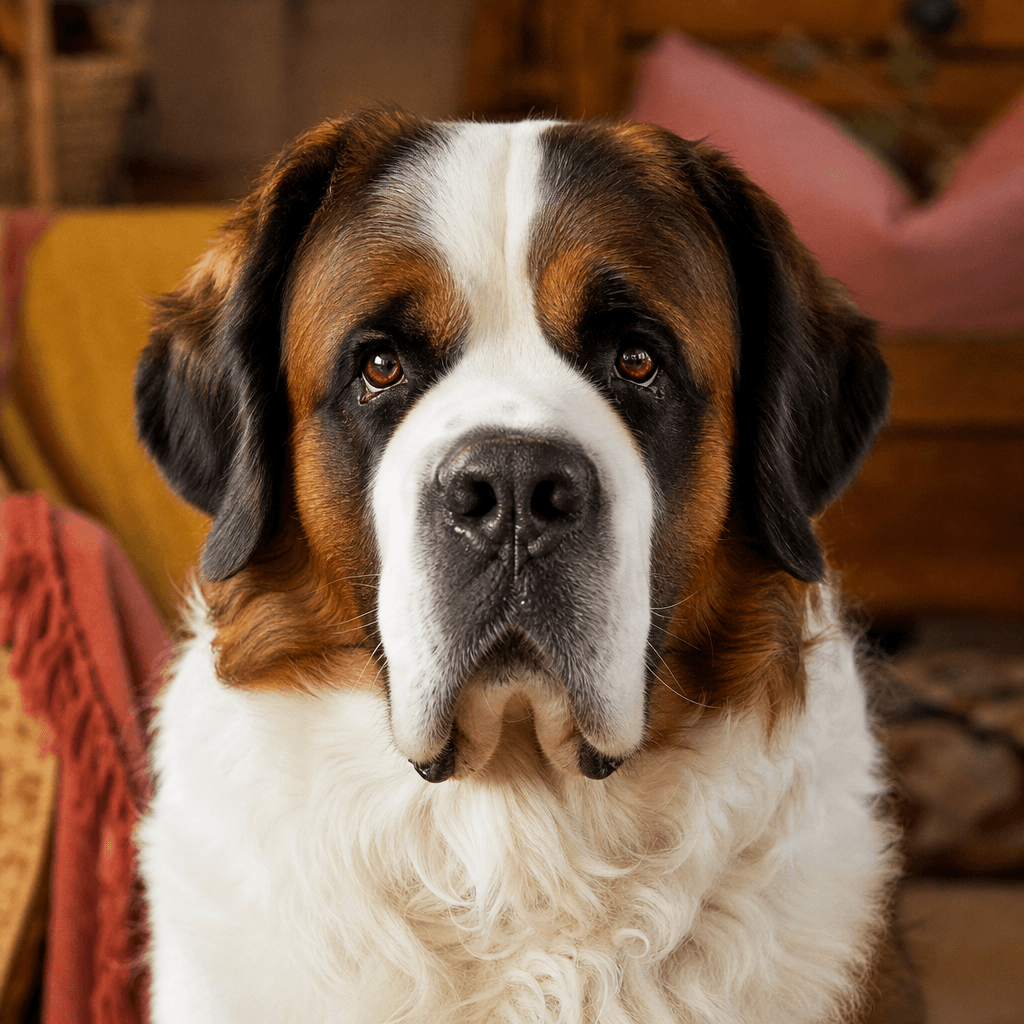
Is a Saint Bernard right for you?
16 quick questions
Question 1of 16
What does your living space realistically offer a 120–180 lb dog?
The ideal answer: House with decent floor space (yard optional)
That’s a solid setup for a Saint. With room to stretch out and turn around without bumper‑carring furniture, you’ll prevent a lot of clumsy chaos and joint strain. A yard is great for potty breaks, but your Bernie will still prefer napping near you inside.
Question 2of 16
Your preferred dog activity level is…
The ideal answer: Two to three easy walks, light play, weekend moseys
You’re speaking their language. A Saint thrives on 45–75 minutes of total daily movement split into relaxed sessions, with sniffy walks and low‑impact games. Keep jumping and sharp turns minimal to protect those big joints, especially under age two.
Question 3of 16
What climate will your dog live in most of the year?
The ideal answer: Cold/snowy winters, cool summers
Perfect. Your Saint will treat snow like a personal invitation and stay comfortable on chilly days. You’ll still watch for ice traction and salt on paws, but heat won’t dominate your routine.
Question 4of 16
Cords of drool on walls, pants, and ceiling (don’t ask)…
The ideal answer: I’ll keep towels at every doorway and laugh
You’ve got the right attitude. Keeping drool cloths handy, wiping after drinks, and using splash‑guard bowls turns a mess into a manageable quirk. Embrace the “Bernie art” on your jeans — it comes with the love.
Question 5of 16
How much brushing and basic grooming can you promise weekly?
The ideal answer: 20–30 minutes, 3–4 days a week + quick wipes
Great — that’s exactly what a Saint needs. Use a slicker and undercoat rake, check ears, wipe lip folds, and keep nails short to protect joints. You’ll stay ahead of mats and the coat will shine year‑round.
Question 6of 16
Dog hair on clothes and corners — your stance?
The ideal answer: Small price for big love
Perfect, because the hair is real. A robot vacuum on a daily schedule, lint rollers by the door, and regular brushing will make it background noise. Most owners stop noticing after the first coat blowout.
Question 7of 16
An unexpected $1,500–$3,000 dog expense (surgery, emergency, diagnostics) would be…
The ideal answer: Covered — savings and/or pet insurance in place
You’re set up for success. Giants rack up costs quickly, and insurance taken young helps with the big stuff — from GDV surgery to joint issues. Add a monthly food line item; a Saint can eat like a teenager with a gym membership.
Question 8of 16
Be honest: can you physically manage this dog on leash and in daily life?
The ideal answer: Yes — confident handler, will train early
Excellent. Start loose‑leash skills young with a front‑clip harness and high‑value rewards, and you’ll never need to “muscle” your dog. Add car ramps and non‑slip rugs to protect joints and your back.
Question 9of 16
Your approach to teaching manners is…
The ideal answer: Patient and positive — I’ll train for the adult I want
You’re aligned with the breed. Keep sessions brief, reinforce calmly, and socialize widely so a giant puppy learns the world is safe. That investment pays off in a rock‑steady adult.
Question 10of 16
Which best describes your household?
The ideal answer: Adults/teens or gentle kids 7+ who follow rules
Great match. Teach “four paws on the floor,” no climbing on the dog, and a safe retreat spot. You’ll get a patient, snuggly guardian vibe without the chaos.
Question 11of 16
On a typical weekday, your dog would be alone…
The ideal answer: Rarely — someone’s home most of the day
Ideal. A Saint’s favorite hobby is lounging where you are, and your presence keeps them content and calm. Expect a happily snoring rug with a heartbeat.
Question 12of 16
What other pets share your home (or social life)?
The ideal answer: Adult dogs and/or confident cats
Lovely combo. Supervise intros, feed separately, and manage space during zoomies so size doesn’t turn into bowling. Saints often become the household’s calm center of gravity.
Question 13of 16
How will you keep a curious giant safe outside?
The ideal answer: Secure fence or large dog‑safe run
Great plan. A sturdy fence and shade give your Saint a safe place to lounge without tempting fate or traffic. You’ll still supervise in heat and during puppy mischief phases.
Question 14of 16
Where are you on preventing and recognizing bloat (gastric dilatation-volvulus)?
The ideal answer: I’m ready to learn and likely to do a preventive gastropexy
That’s the gold standard. Discuss a prophylactic gastropexy with your vet (often paired with spay/neuter), feed measured meals, limit rough play right after eating, and know the emergency signs. You’re treating risk like the serious thing it is.
Question 15of 16
How will a dog this size travel with you?
The ideal answer: SUV/wagon, ramp, and I’m drool‑towel ready
Perfect. A roomy vehicle with a crate or seatbelt harness, plus a ramp, keeps joints safe and trips low‑stress. You’ll find pet‑friendly lodging that welcomes gentle giants — just pack extra towels.
Question 16of 16
How do you feel about a typical 8–10 year lifespan?
The ideal answer: I understand and will make those years count
That perspective honors the breed. Proactive vet care, a lean body condition, and joint support can maximize quality time. You’re ready to savor the big love while it’s here.
Your result
Answer the 16 questions above and your match score appears here.