Puli Match Quiz
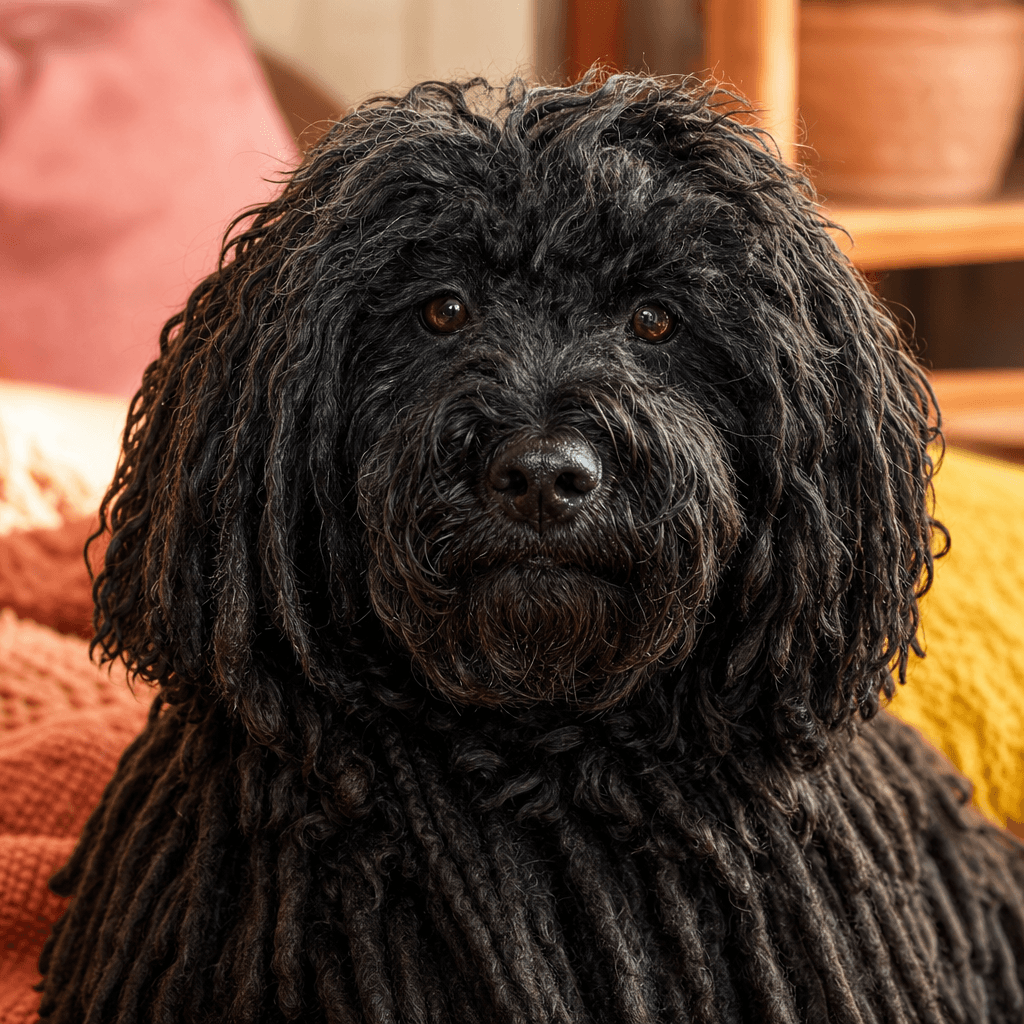
Is a Puli right for you?
15 quick questions
Question 1of 15
How much structured exercise can you promise most days?
The ideal answer: 90+ minutes with training or off-leash play
Perfect — that’s the tempo this breed was built for. A Puli with a solid hour of brisk work plus ten-minute brain games is focused and delightful indoors. Skip it, and you’ll meet the busybody who invents her own sports (often loud ones).
Question 2of 15
What’s home base?
The ideal answer: House with a securely fenced yard
Ideal — a safe yard lets you layer in training games and short play between walks. Just remember this is a partner breed, not a self-exerciser; you’ll still supply the exercise and the supervision.
Question 3of 15
When you picture life with your dog, which feels most true?
The ideal answer: Classes and dog sports sound fun
Perfect — this is where Pulis sparkle. Short, upbeat sessions in agility or tricks channel that problem-solving mind and build a partnership you both feel. Expect a dog that starts offering behaviors just to make you laugh.
Question 4of 15
Be honest: what’s your training vibe?
The ideal answer: Patient, consistent, reward-based
That’s the recipe. Keep sessions short and fun, pay generously for calm and focus, and your Puli will offer brilliance. You’ll negotiate sometimes — that’s part of the charm — but you’ll both love the process.
Question 5of 15
Which coat are you picturing long term?
The ideal answer: Iconic full cords — that’s the dream
Great — then plan to learn cord care early. You’ll be separating cords as they form, keeping skin dry and clean, and trimming around eyes and sanitary areas. It’s hands-on but deeply satisfying if you enjoy routine.
Question 6of 15
Weekly cord maintenance — truthfully, how does that sound?
The ideal answer: Oddly satisfying — I can do 30–45 min weekly
Love it. Your dog’s skin will stay healthy, the coat will smell clean, and mats won’t snowball into shave-downs. Many owners turn this into quiet bonding time with a fan and a podcast.
Question 7of 15
After a bath or swim, drying can take hours. Your plan?
The ideal answer: Towels + fans/dryer for 2–3 hours as needed
Perfect — that’s the system. Squeeze, towel, then park by a fan or stand dryer and rotate sections until fully dry to the skin. You’ll also be cautious with spontaneous swims and beach days.
Question 8of 15
Trails, farms, or tidy sidewalks — which is most of your life?
The ideal answer: I’m fine with rinse stations and burr patrol
You’re speaking Puli. A hose or handheld shower, microfiber towels by the door, and a five-minute debris check keep the house civilized. It’s a rhythm more than a chore once it’s habit.
Question 9of 15
What’s your weather reality?
The ideal answer: Cool/mild most of the year or strong AC
Great — you can lean into morning/evening activity and keep the coat you prefer. In winter, a dry coat is warmer than a wet jacket; in summer, shade and airflow are your best friends.
Question 10of 15
Your tolerance for an enthusiastic watchdog?
The ideal answer: Fine with alerts — I’ll train an off-switch
Perfect attitude. Reward quiet, manage windows, and give real exercise so the bark has fewer reasons to start. Your neighbors will thank you for treating silence like a trained behavior.
Question 11of 15
What’s your plan for early socialization?
The ideal answer: Puppy classes and weekly field trips sound fun
That’s the gold standard. You’ll grow a dog who can settle at cafes, walk past joggers without herding them, and welcome vetted guests without a speech. Keep sessions short and positive.
Question 12of 15
Who’s in the house?
The ideal answer: Adults/teens or kids 8+ who respect dogs
Bullseye. With clear rules and outlets for energy, you’ll see the playful clown and the thoughtful shadow in equal measure. Expect a dog that joins games, not referees them.
Question 13of 15
Any cats, small animals, or timid dogs at home?
The ideal answer: Dog-savvy pets; I’m comfortable managing intros
Great. Slow meet-and-greets, leashes at first, and paychecks for calm behavior set the tone. Redirect heel-nipping or chasing into games that earn rewards.
Question 14of 15
On a typical weekday, your dog would be alone for…
The ideal answer: 3–5 hours, with a walker or break
That’s a friendly setup. A pre‑work romp, a midday sniffy break, and a food puzzle turn alone time into nap time. You’ll come home to a calm dog ready for round two.
Question 15of 15
When an $800 surprise vet bill hits, and routine costs stack up…
The ideal answer: Covered — savings or pet insurance in place
Excellent — that cushion lets you make timely choices. Consider insurance early, before anything becomes “pre-existing,” and you’ll treat hip, eye, or skin issues as logistics, not crises.
Your result
Answer the 15 questions above and your match score appears here.