Patterdale Terrier Match Quiz
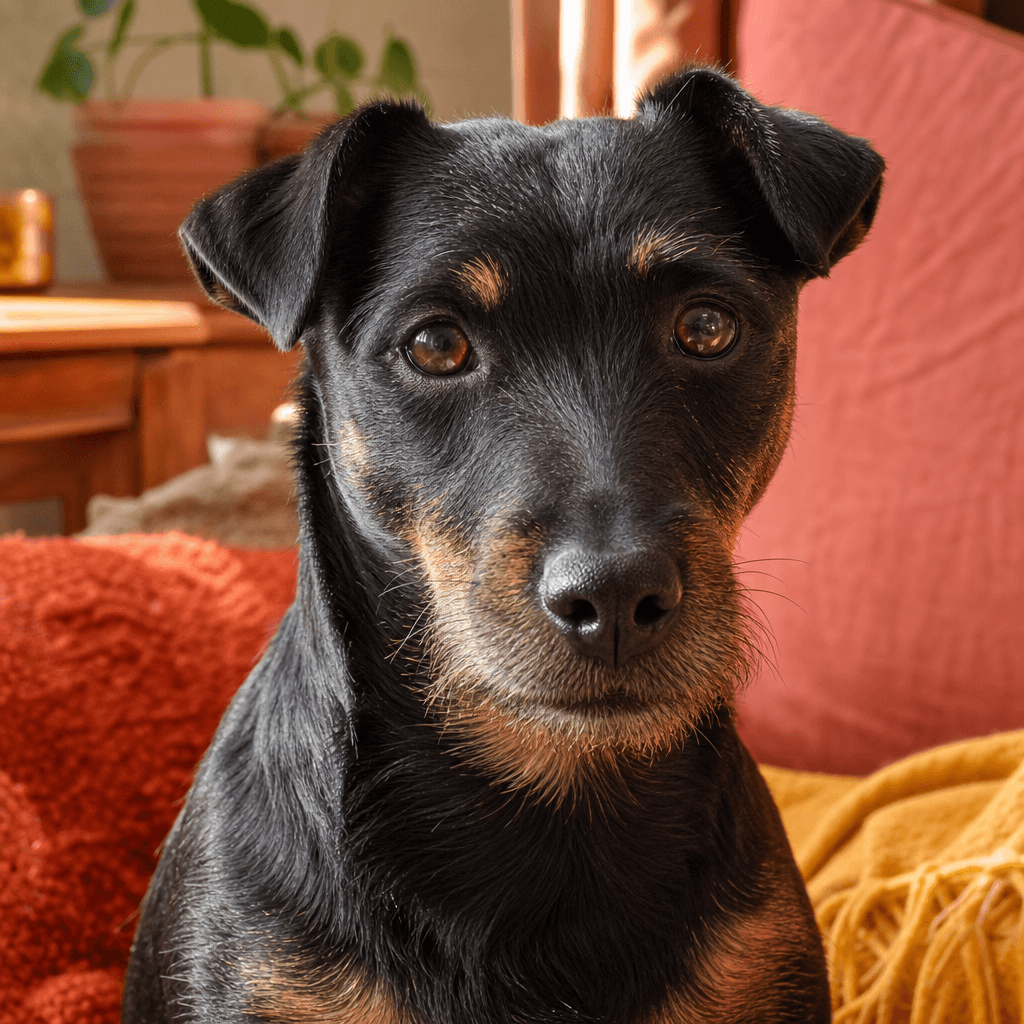
Is a Patterdale Terrier right for you?
14 quick questions
Question 1of 14
What does an ideal Saturday look like for you?
The ideal answer: Trails, runs, training sessions — I like to move
Perfect — that’s the tempo a Patterdale understands. Long hikes, steady jogs, and bite‑sized training blocks will drain the tank in a healthy way and give that sharp brain something to do. With you setting the pace, a Patterdale channels its drive into teamwork instead of mischief.
Question 2of 14
Real talk: what can you commit to most days?
The ideal answer: Runs/hikes plus 10–15 minutes of training or scent games
Excellent — structure is everything with this breed. A steady cardio block paired with nosework, impulse‑control drills, or a flirt‑pole session hits both body and brain. Done consistently, that routine produces a focused, civilized teammate.
Question 3of 14
Be honest: what do you picture on the trail?
The ideal answer: Leashed or long‑line unless in a secure field
Smart plan — that’s how most seasoned terrier folks roll. Long‑lines preserve freedom without gambling on recall, and fenced fields let your dog open up safely. With management locked in, you can enjoy adventures without heart‑in‑throat moments.
Question 4of 14
Any cats, rabbits, or backyard chickens at home?
The ideal answer: No small pets now or planned
That keeps life simple for a Patterdale. Without daily temptation, you can focus on sports, training, and calm house manners. You’ll still channel the prey drive with legal outlets like scentwork and flirt‑pole games.
Question 5of 14
What describes your outdoor setup?
The ideal answer: 6‑ft solid fence with dig‑proof base; always supervised
Gold standard — that’s how you keep a determined terrier secure. Burying hardware cloth or using pavers at the base defeats tunneling, and supervision catches the clever stuff. With that in place, your yard becomes a safe training and play zone.
Question 6of 14
Where will this dog live?
The ideal answer: House with a secure yard
Great — that gives you options for structured play, training, and quick potty breaks. Just remember the yard is a supplement, not a substitute, for real exercise. With that mindset, this setup suits the breed beautifully.
Question 7of 14
How do you like to train?
The ideal answer: I enjoy consistent, reward‑based training
Perfect — that’s the language this breed speaks. Five‑minute sessions, great treats, and calm leadership produce a terrier who thinks with you instead of for you. You’ll love how fast they learn when the game is fair and fun.
Question 8of 14
What are your dog‑park and multi‑dog plans?
The ideal answer: No dog parks — I prefer calm, structured meetups
Excellent — that’s the safest way to keep a terrier social. Parallel walks, sniff‑and‑move greetings, and known playmates prevent scuffles and build good habits. Your dog will learn to keep its cool without getting flooded.
Question 9of 14
On a typical weekday, the dog would be alone…
The ideal answer: Under 4–6 hours, most days
Ideal — that window is easy to fill with a nap after morning exercise. Leave a stuffed Kong, a safe chew, and white noise, and most Patterdales snooze. You’ll come home to a brain that’s ready for training, not chaos.
Question 10of 14
How much brainwork will you add each week?
The ideal answer: Daily puzzles/scent games plus short training bursts
Fantastic — that’s how you turn drive into manners. Ten minutes of sniffing games and a couple of two‑minute drills make a massive difference. You’ll see a calmer dog and faster learning across the board.
Question 11of 14
How do you feel about routine grooming?
The ideal answer: Weekly brushing, nail/teeth care, quick baths as needed
Perfect — that’s all this coat asks. A rubber curry or bristle brush keeps shedding in check, and regular nail trims plus dental care prevent sneaky problems. After rough hikes, you’ll also sweep for seeds, thorns, and ticks.
Question 12of 14
How much noise can your home (and your nerves) handle?
The ideal answer: Some noise is fine — I’ll train a solid “quiet”
Great attitude. Teach a reliable “quiet,” reward calm watching at windows, and meet exercise needs, and most barking stays reasonable. With management, your dog learns when to use that voice and when to save it.
Question 13of 14
What’s your typical climate like?
The ideal answer: Cool/temperate — we walk year‑round
Perfect — this breed eats that weather for breakfast. Add a lightweight coat only in biting wind or deep chill, and you’re set. Mud and burrs may be your biggest challenge, not the temperature.
Question 14of 14
An unexpected $800–$1,200 vet bill would be…
The ideal answer: Covered — savings or pet insurance in place
You’re set up for success. A good policy taken young helps with emergencies and pricey one‑offs like imaging or dental work, so you can green‑light care without panic. That safety net matters with an adventurous terrier.
Your result
Answer the 14 questions above and your match score appears here.