Old English Sheepdog Match Quiz
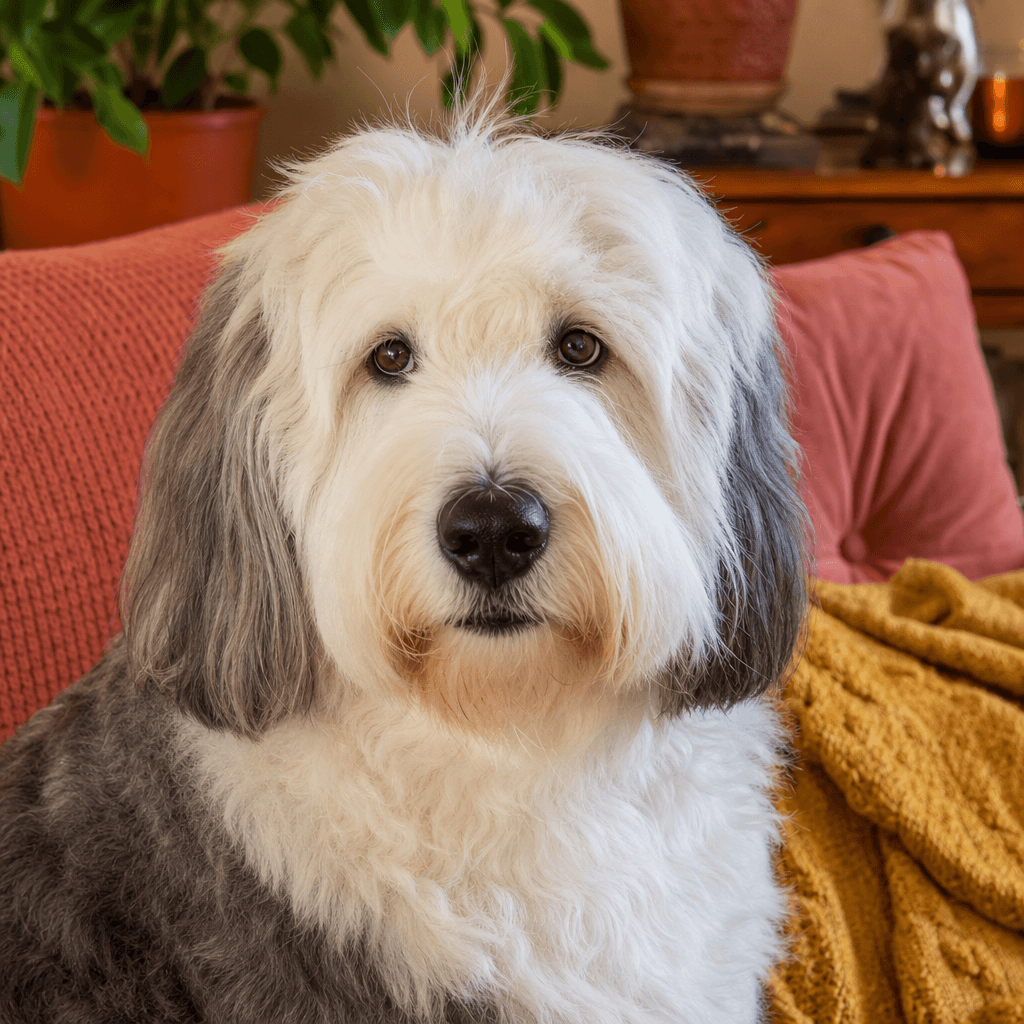
Is an Old English Sheepdog right for you?
15 quick questions
Question 1of 15
How much purposeful exercise can you offer most days?
The ideal answer: 60–90 minutes of real exercise, daily
Great — an OES thrives with that routine. Split it into brisk walks, off‑leash play in a secure area, and short training bursts, and you’ll see a calm, goofy housemate afterward. This is the single best way to prevent nuisance barking and creative redecorating.
Question 2of 15
Where will this big fluff live?
The ideal answer: House with a fenced yard
Ideal — a secure yard gives you quick potty breaks, play sessions, and a place to towel off that soggy beard before it hits the sofa. Just remember a yard isn’t exercise by itself; the breed still needs structured walks and brain work.
Question 3of 15
Real talk: brushing time you can commit each week?
The ideal answer: 3–4 sessions of 45–60 minutes, plus quick daily touch‑ups
Perfect — that’s what a full coat needs to stay healthy and mat‑free. Work in sections with a slicker and metal comb, and you’ll prevent painful tangles before they start. Dogs handled this often also become angels for the groomer and the vet.
Question 4of 15
How will you handle professional grooming?
The ideal answer: Standing pro appointment every 6–8 weeks
Great — budgeting and pre‑booking keeps the coat on track. Between visits, keep up weekly line‑brushing so groomers aren’t fighting mats and charging extra. Your dog’s skin will thank you.
Question 5of 15
Dog hair, wet beards, and muddy paws — how do you feel?
The ideal answer: It’s part of the charm — I’ll vacuum and laugh
Perfect attitude. Keep towels at doors, teach a quick "wait" for wipe‑downs, and add a robot vacuum to your team. You’ll stop noticing the tumbleweeds within a month.
Question 6of 15
Your local climate is mostly…
The ideal answer: Cool to cold; summers are mild
Perfect — an OES is in its element here. You’ll still avoid ice balls by trimming feet and checking for snow clumps, but long, happy walks are the default. Summer tweaks will be minor.
Question 7of 15
What’s your training vibe?
The ideal answer: Short, fun, reward‑based sessions
Spot on — that’s the language this breed speaks. Five‑minute games sprinkled through the day build manners fast and keep the clown engaged. You’ll get enthusiasm instead of compliance with a sigh.
Question 8of 15
Who’s at home, and how lively is it?
The ideal answer: Adults and/or kids 8+ who follow rules
Great match. Teach "four feet on the floor," gentle door manners, and a chill‑zone the kids respect, and you’ll see the best of the breed — patient, goofy, and devoted.
Question 9of 15
On a typical weekday, your dog would be alone…
The ideal answer: Rarely or 0–4 hours
Lovely — this breed values company and routine above almost anything. You’ll get a calmer, easier dog simply because it isn’t clock‑watching all day. Add a pre‑work walk and a chew to seal the deal.
Question 10of 15
Your tolerance (and neighbors’) for a big bark?
The ideal answer: Detached house or easygoing neighbors
Perfect — you’ve got room for a voice. Still teach a reliable "quiet" and manage windows if street views trigger commentary. You’ll get watchdog benefits without a soundtrack.
Question 11of 15
Your preferred way to move with a dog:
The ideal answer: Daily brisk walks, play, plus weekend hikes
That’s the sweet spot. Mix in short training games and you’ll come home with a happy puddle of fluff. Keep longer hikes to cooler hours and you’ll both love it.
Question 12of 15
How much mental work will you provide?
The ideal answer: Weekly classes or structured training games
Perfect — a job turns your goofball into a star student. Rotating short games keeps it fresh and prevents the classic OES "I heard you, but have you considered this instead?" routine.
Question 13of 15
Comfort level with a 60–100 lb, enthusiastic dog?
The ideal answer: Comfortable managing and training big dogs
Excellent. Invest early in loose‑leash skills and impulse control at doors, and you’ll enjoy that strength instead of fighting it. A non‑slip mat and a sturdy grooming setup make home care safer.
Question 14of 15
How would you handle chasey, herding behaviors?
The ideal answer: I’ll train impulse control and supervise play
Perfect — reward recalls, mat work, and calm greetings channel those instincts. With structure, most OES become polite, goofy companions who can watch movement without joining it.
Question 15of 15
An unexpected $1,000–$2,000 vet bill would be…
The ideal answer: Covered — savings or pet insurance in place
Perfect — that financial cushion turns health surprises into speed bumps. Insure early to avoid pre‑existing exclusions and make sure your breeder did OFA hips/elbows and eye clearances to stack the deck in your favor.
Your result
Answer the 15 questions above and your match score appears here.