Newfoundland Match Quiz
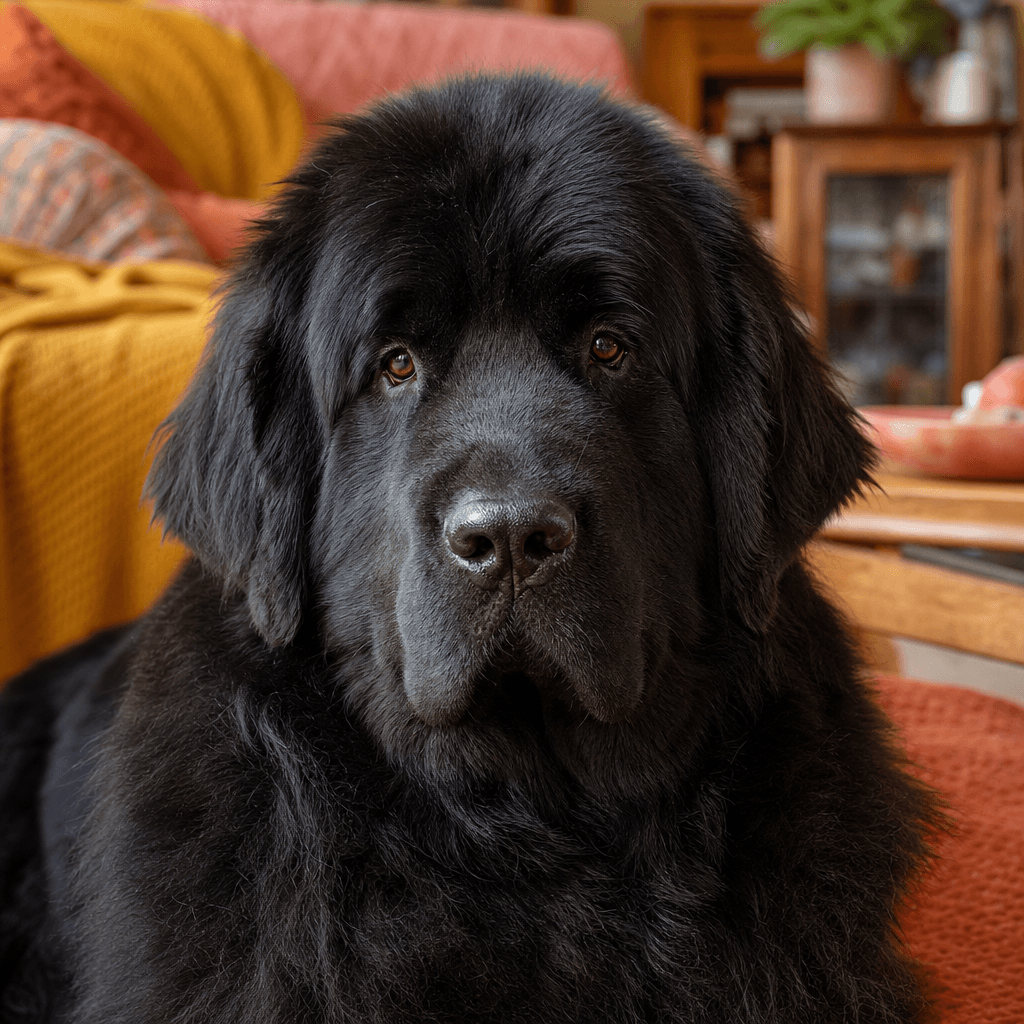
Is a Newfoundland right for you?
15 quick questions
Question 1of 15
When 120 pounds leans into the leash, you…
The ideal answer: I’m comfortable handling large breeds and using equipment well
Great — that confidence matters with a Newf. A well-fitted front-clip harness, early loose-leash training, and a practiced stance keep this gentle strength easy to live with. With your skills, you’ll prevent bad habits before a puppy grows into a freight train.
Question 2of 15
What kind of exercise routine sounds realistic?
The ideal answer: Two relaxed walks plus enrichment, swims when possible
That’s the sweet spot for a Newf. Regular, unhurried walks protect joints, puzzle toys tire the brain, and swims let this breed do what it loves without pounding on growing bones. Keep sessions shorter in heat and you’ll have a healthy, content dog.
Question 3of 15
Where will this bear of a dog live?
The ideal answer: House with easy outdoor access
Perfect — a ground-floor exit and room to turn around makes daily life simple for a Newf. Expect more sunbathing than sprinting in the yard; walks and swims still do the fitness heavy lifting. Add floor runners for traction and you’ve covered the basics.
Question 4of 15
Summers where you live are…
The ideal answer: Cool to mild, lots of shade
Ideal. In cool climates, you’ll enjoy longer walks, happy snow days, and an easier time maintaining a healthy weight. Still limit midday exertion in summer and keep water handy.
Question 5of 15
Brushing and drying, truthfully:
The ideal answer: I can brush 2–3x/week and blow-dry after baths/swims
Perfect — that’s exactly what this coat needs. A slicker, undercoat rake, and a high-velocity dryer keep skin healthy and shed under control. Add ear checks after every swim and you’ll prevent most common skin and ear issues.
Question 6of 15
Be honest: dog hair and damp pawprints on your floors?
The ideal answer: Fine — I own lint rollers and love a mud mat
Perfect attitude. A robot vacuum on a daily schedule, strategic mats at doors, and a trunk kit (towels, spray bottle, brush) make the mess manageable. With that setup, the joy far outweighs the cleanup.
Question 7of 15
Drool strings after a big drink?
The ideal answer: I’ll keep drool rags in every room
Love the realism. With towels handy and a quick wipe after water bowls, drool becomes a funny quirk instead of a daily frustration. Guests will appreciate the heads-up — and a designated “drool zone” by the bowl helps.
Question 8of 15
What access to safe water will your dog have?
The ideal answer: Regular access to safe lakes, sea, or a dog-permitted pool
Fantastic — that’s this breed’s happy place. Keep sessions short in warm weather, rinse after to remove grit and chlorine, and dry thoroughly to prevent skin issues. You’ll see a Newf’s spirit light up in water.
Question 9of 15
Your approach to teaching a giant-breed puppy is…
The ideal answer: Short, positive sessions every day from week one
Perfect — this breed learns fast when you make it fun and clear. Prioritize name recognition, loose-leash walking, settle-on-mat, and polite greetings. Those basics, taught early, are the difference between delightful and difficult.
Question 10of 15
For the first 18 months, I can…
The ideal answer: Limit stairs, avoid jumping/running, feed a giant-breed puppy diet
Excellent — that’s the recipe for healthy joints. Think controlled walks, soft surfaces for play, and ramps for cars. Your restraint now dramatically lowers the odds of hip, elbow, and cruciate troubles later.
Question 11of 15
On a typical weekday, the dog would be alone…
The ideal answer: Rarely — someone’s usually home
Perfect for a Newf. Expect a calm shadow who naps near your desk and checks in with a chin on your knee. Your presence is this breed’s favorite enrichment.
Question 12of 15
Who’s at home, and what’s the vibe?
The ideal answer: Calm adults and/or respectful kids 8+
Great match. A Newf will slot into your rhythm, dote on the kids, and snooze through movie nights. Teach “four on the floor” greetings and you’ll have a living teddy bear with manners.
Question 13of 15
An $800–$2,500 surprise bill (orthopedics, emergency, dental) would be…
The ideal answer: Covered — savings and/or pet insurance in place
Excellent — that safety net matters with this breed. Insure early to avoid pre-existing exclusions and ask about bloat coverage and orthopedic riders. With finances sorted, health hiccups become manageable instead of catastrophic.
Question 14of 15
How will you get your Newfoundland anywhere?
The ideal answer: SUV/wagon, crash-tested harness or crate, and a ramp
Perfect — that setup keeps joints safe and travel stress-free. Practice loading young with lots of treats, and you’ll have a dog who walks the ramp like a pro. Heat rules still apply: cool the car before loading.
Question 15of 15
What role do you want your dog to play with strangers?
The ideal answer: A friendly, people-loving family dog
Bullseye — that’s the Newfoundland sweet spot. Expect calm greetings with good socialization, lots of leaning, and a dog that prefers to defuse rather than escalate. You’ll get presence without edge.
Your result
Answer the 15 questions above and your match score appears here.