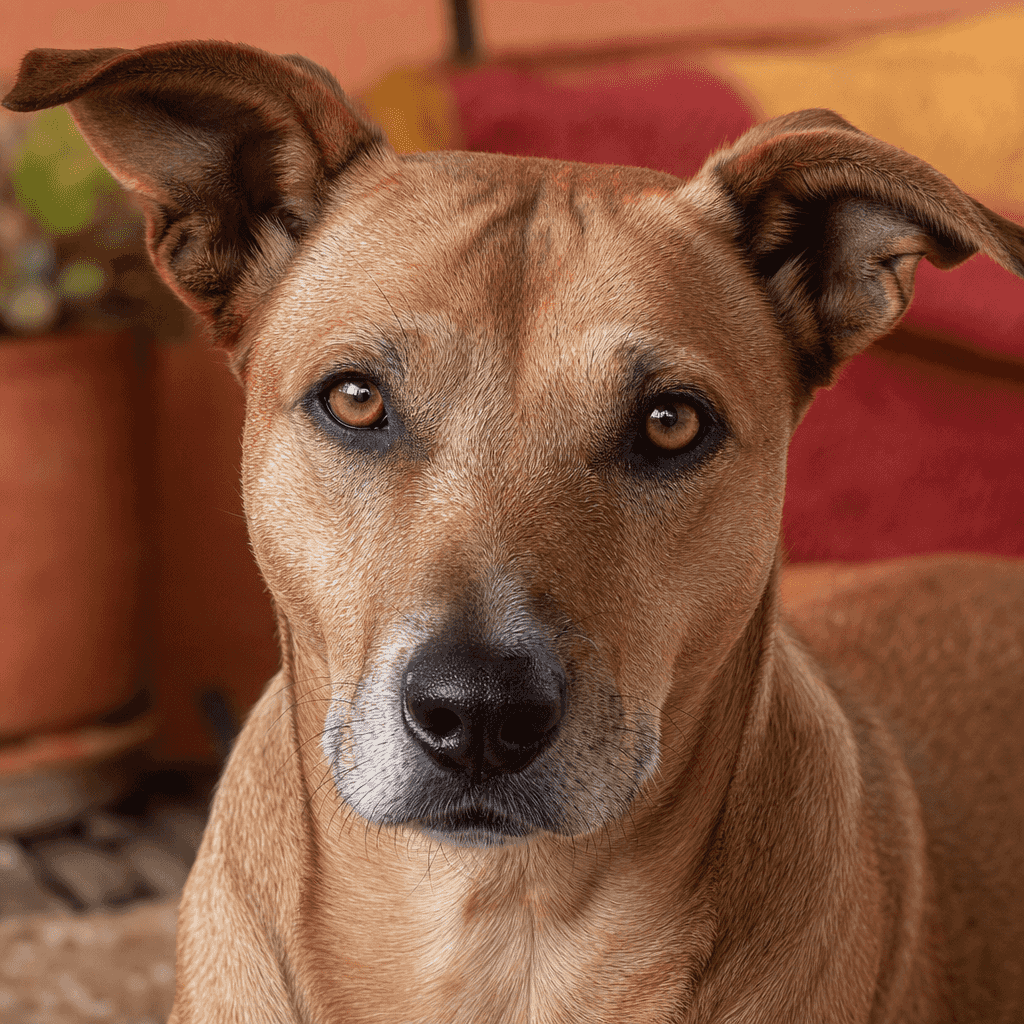
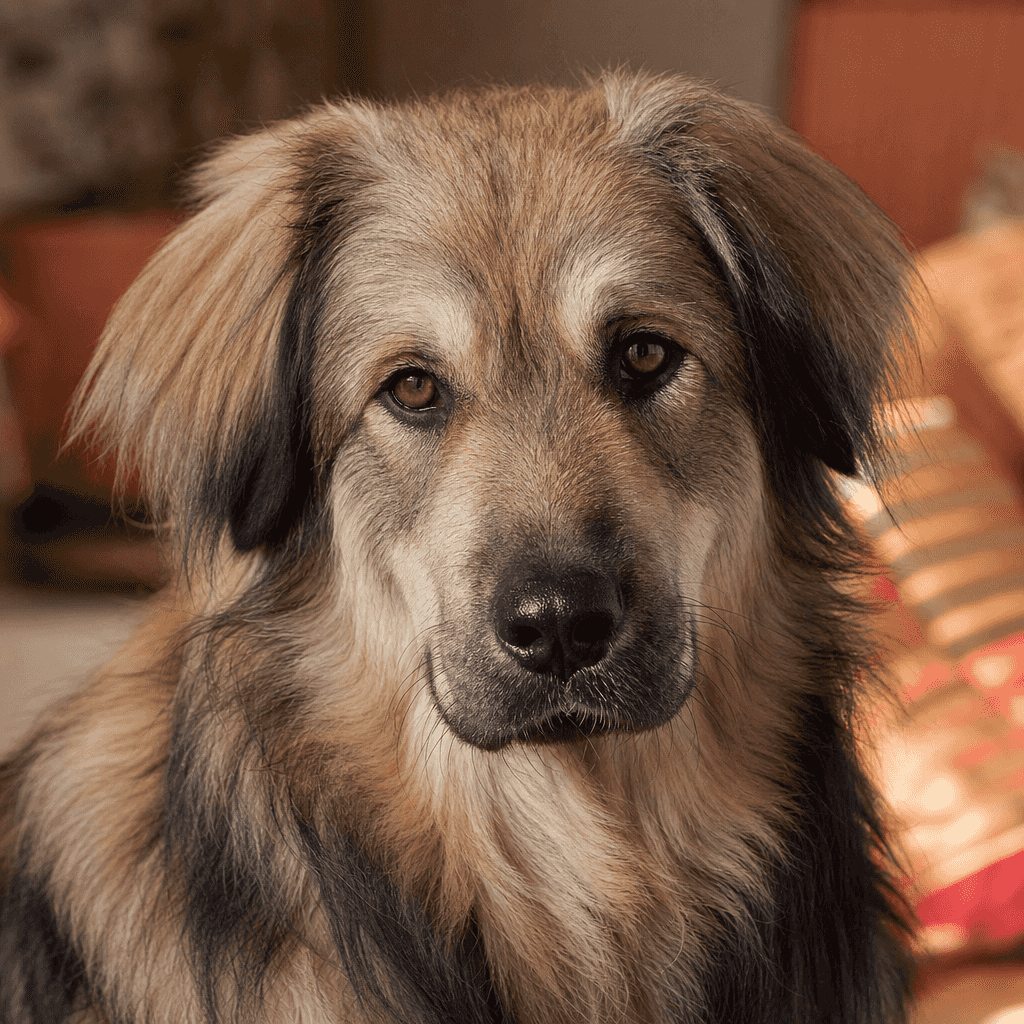
Mountain Cur Match Quiz
Is a Mountain Cur right for you?
14 quick questions
Question 1of 14
How busy are you willing to be—every single day?
The ideal answer: I’m up for hard exercise and training daily
That’s exactly what this breed is built for. If you’ll do brisk hikes or runs plus structured training and scent games most days, a Cur channels all that drive into you. Expect a calmer housemate because you met the need before the dog had to ask.
Question 2of 14
Where will this dog live and play?
The ideal answer: Rural property or regular access to land (fenced)
Perfect. A Cur can stretch out, work the wind, and still stay safe behind a solid fence or in a kennel run. Add a GPS collar for field days and teach a rock-solid recall, and you’ve set the stage for a great partnership.
Question 3of 14
Be honest—what’s the main job you want this dog to have?
The ideal answer: Active hunting partner (tree game, hogs, or similar)
Bullseye. A Cur bred to hunt and a handler who hunts is the classic match — you’ll channel drive into tracking, treeing, and obedience around game. Join a local club or mentor to polish handling and keep that talent pointed the right way.
Question 4of 14
Any cats, small dogs, or backyard chickens in the picture?
The ideal answer: No small pets and none planned
That’s the simplest path. With no small, fast, flappy things at home, you can let the Cur’s prey drive live where it belongs — in work and games with you. It still pays to proof cues around squirrels and neighborhood cats.
Question 5of 14
How do you feel about keeping a dog leashed or in a fenced area most of the time?
The ideal answer: Totally fine—fences, long lines, GPS are my plan
That mindset keeps Curs alive. Use a long line while you build recall, work in fenced fields, and add a GPS collar for real-world insurance. When management is normal, freedom expands safely instead of all at once.
Question 6of 14
Your dog-handling style is…
The ideal answer: I’ve handled high-drive or working dogs before
Perfect. You’ll recognize when to tap the brakes, when to pay the dog, and when to quit while you’re ahead. With your timing and consistency, a Cur becomes an eager, biddable partner without losing its grit.
Question 7of 14
Tell us about your household traffic.
The ideal answer: Calm adults or kids 10+ who follow rules
That’s right in the Cur’s comfort zone. You’ll get a devoted family dog who relaxes because the expectations are predictable. Teach proper greetings and you’ll see this breed’s affectionate side shine.
Question 8of 14
On a typical weekday, how long would your Cur be without you?
The ideal answer: 0–4 hours, with a pre-leave workout
Nice setup. A hard walk or training session before you go and a chew or stuffed toy in the crate teaches great off-switch skills. Expect a sleepy dog when you’re out and a ready partner when you’re back.
Question 9of 14
Grooming tolerance check:
The ideal answer: Weekly brush, nails, and ear care — no problem
Perfect. That simple routine prevents ear infections, keeps nails from splaying, and catches ticks or cuts before they become vet bills. A quick hose-down after muddy work and you’re back in business.
Question 10of 14
Your local climate is…
The ideal answer: Four seasons, and I’ll adjust schedules and shelter
Perfect approach. Early/late work in summer, dry shelter and warm rest spots in winter, and you’ll see why this breed thrived in the hills. Good footing and hydration keep a hard worker going safely.
Question 11of 14
How noise-sensitive is your household or building?
The ideal answer: Rural or tolerant neighbors
Great — a Cur’s commentary won’t ruffle feathers. You’ll still teach quiet on cue, but the odd alert bark or training session won’t spark complaints. That breathing room makes ownership simpler.
Question 12of 14
Monthly budget for dog care — plus a field-ready setup?
The ideal answer: Room for insurance, quality gear, and emergencies
You’re set up for success. A good crate, long lines, boots for rough terrain, and a GPS collar make training safer — and insurance takes the sting out of field mishaps. With basics covered, you can focus on the fun parts.
Question 13of 14
How do you feel about proactive care for a generally hardy breed?
The ideal answer: I’m all-in on screenings and prevention
Excellent. You’ll ask breeders for OFA results, keep tick meds current, and schedule annual bloodwork and dentals. That approach turns “healthy breed” into “healthy individual” for the long haul.
Question 14of 14
What’s your plan to keep a high-drive dog safe?
The ideal answer: Six-foot physical fence or kennel run, plus ID/GPS
Great plan. A real barrier respects a Cur’s instincts and protects the dog from traffic and trouble. Add a long line for training and you’ve covered the escape-artist chapter before it starts.
Your result
Answer the 14 questions above and your match score appears here.