English Mastiff Match Quiz
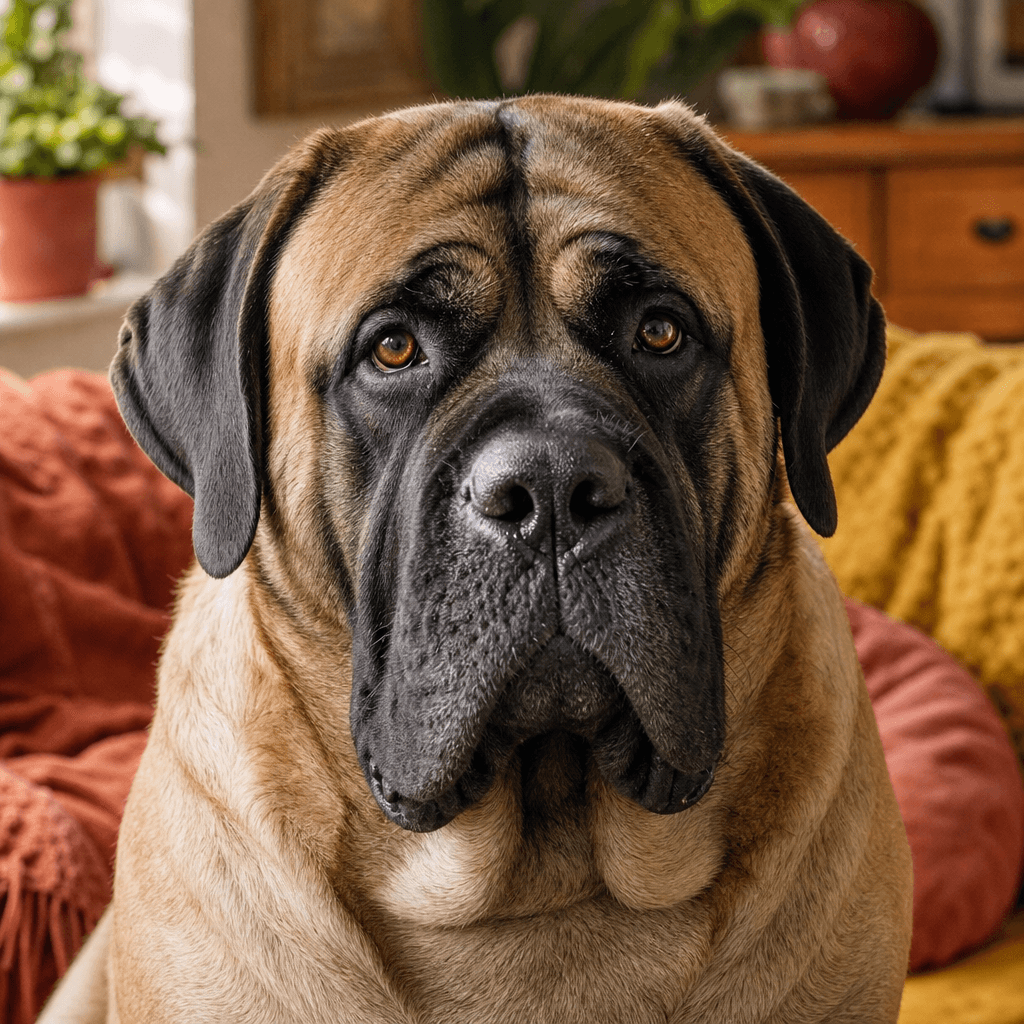
Is an English Mastiff right for you?
14 quick questions
Question 1of 14
When 180 pounds hits the end of the leash, can you handle it?
The ideal answer: I’ve handled giant breeds and can physically manage one
Perfect — that experience pays off immediately. Pair your skills with a sturdy front-clip harness, early leash training, and clear routines, and a Mastiff becomes a pleasure to walk. Your calm confidence is exactly what keeps a giant dog steady in public.
Question 2of 14
What kind of exercise routine matches your day?
The ideal answer: Leisurely neighborhood strolls and sniffing sessions
That’s right on target for this breed. Think 30–45 minutes total daily, split into easy walks with plenty of sniffing and no pounding on hard surfaces. Add a few food puzzles at home and you’ve met a Mastiff’s exercise needs beautifully.
Question 3of 14
Where will your Mastiff live?
The ideal answer: House with a fenced yard
Ideal — not because they’ll sprint laps, but because potty breaks and sunbathing get easy. Provide shade, fresh water, and cushioned indoor spots to protect joints, and keep the fence secure; a calm Mastiff can still lean a gate open.
Question 4of 14
Candidly, drool on walls, clothes, and car?
The ideal answer: I own drool towels and I’m not afraid to use them
You’re speaking Mastiff. Park “slobber cloths” at water bowls, wipe after drinks, and protect the car with covers; some owners even use a light bib at mealtimes. With your attitude, the mess becomes part of the charm.
Question 5of 14
Brushing once or twice a week and seasonal shed — how’s that sound?
The ideal answer: Weekly brushing and vacuuming are no problem
Perfect. A rubber curry or slicker keeps loose hair down, and short nails protect joints and traction. A quick face-fold wipe prevents irritation — small routines pay big dividends here.
Question 6of 14
Your style when a stubborn genius parks himself?
The ideal answer: I’m patient and use positive reinforcement
Perfect match. Keep sessions short, pay well for loose-leash walking and a reliable settle, and practice calm greetings so your giant doesn’t “body-block” visitors. Expect a teenage testing phase; your steadiness wins it.
Question 7of 14
Your home has frequent guests and delivery people — what’s your plan?
The ideal answer: I’ll manage intros and give the dog a place to retreat
Excellent. Station your Mastiff on a mat as guests enter, reward quiet watching, and release to greet on cue if appropriate. Coaching visitors to ignore until invited keeps the dog confident and you in control.
Question 8of 14
Any children in the mix?
The ideal answer: Kids 8+ who can follow rules
Great combination. Teach calm greetings, “four paws on the floor,” and a default settle near the family, and you’ll see the famously tender side of the breed. Many become quiet shadows and nap buddies.
Question 9of 14
What’s the pet lineup?
The ideal answer: Solo dog or opposite-sex, steady adult dog — maybe a cat
Good fit. Start with parallel walks, manage mealtimes, and give high-value chews in separate spaces early on. With your guidance, most Mastiffs default to calm coexistence.
Question 10of 14
On a typical weekday, your dog would be alone for…
The ideal answer: Rarely — someone’s usually home
Ideal. You’ll get the relaxed, affectionate companion Mastiffs are famous for; rotate chew projects, scatter a few training moments, and you’ll keep a gentle giant happily settled.
Question 11of 14
How do you feel about a 6–10 year average lifespan and big-dog health care?
The ideal answer: Prepared for screening, prevention, and tough choices
You’re ready. Insist on OFA/PennHIP, elbow, heart, and eye clearances in the pedigree, learn bloat signs, and map the nearest emergency clinic; pet insurance helps turn crises into care. Your realism will serve the dog well.
Question 12of 14
Monthly costs — premium food, insurance, meds — what’s realistic?
The ideal answer: Comfortable budget and I’ll carry insurance
Excellent. Expect roughly $150–$300+ per month for quality food and preventives, plus higher insurance premiums — and the occasional big bill. With a cushion and a policy, you can say yes to care when it counts.
Question 13of 14
Summers where you live are…
The ideal answer: Mild climate or reliable AC
Perfect. Do dawn/dusk walks in summer, provide cool floors and water, and keep cushioned, non-slip resting spots to protect joints year-round. Heat becomes a footnote, not a feature.
Question 14of 14
Be honest: are you up for the giant-breed puppy rules?
The ideal answer: I’m all-in on the giant-puppy rules
Fantastic. Think short walks on soft ground, no fetch marathons, and lots of calm field trips for positive exposure; lift in and out of cars when small and use ramps later. Your adult dog’s soundness starts here.
Your result
Answer the 14 questions above and your match score appears here.