Maremma Sheepdog Match Quiz
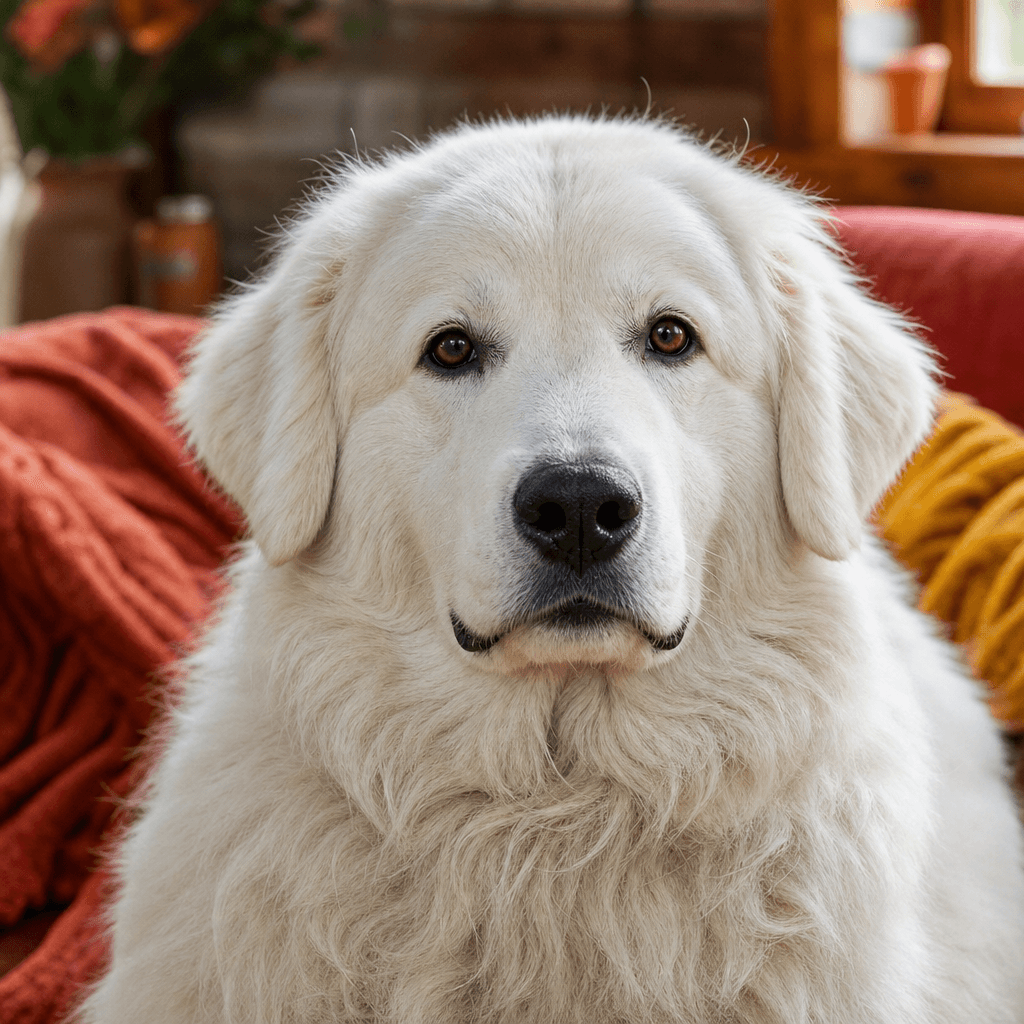
Is a Maremma Sheepdog right for you?
15 quick questions
Question 1of 15
At heart, you’re looking for…
The ideal answer: A true guardian for property or stock
That’s the bullseye for this breed. If you’ll let a Maremma anchor to a territory, set predictable routines, and reward steady watchfulness over displays of obedience, you’ll see the best of the dog. Expect quiet devotion to its job and a partner that works beside you, not beneath you.
Question 2of 15
What’s your property like — and how is it fenced?
The ideal answer: Acreage or large rural lot, 5–6 ft secure fencing
Perfect — you’re speaking Maremma. With room to make rounds and a fence that ends arguments about where the borders are, the dog can do its favorite job safely. Walk the perimeter with your dog early on to "draw the map" together.
Question 3of 15
How would occasional night barking land with you (and your neighbors)?
The ideal answer: Rural area, distant neighbors, barking is fine
Great — you’re aligned with the job. Night alerts are part of how a Maremma keeps things safe, and rural spacing keeps the peace. You can still teach a calm "thank you" to shorten alerts without punishing the instinct.
Question 4of 15
What will your Maremma actually be responsible for?
The ideal answer: Actively guarding sheep/goats/poultry on-site
Ideal. Pair your pup with calm adult stock, supervise early weeks, and reward checking in without demanding clingy obedience. A seasoned LGD mentor dog or an experienced shepherd’s guidance accelerates success.
Question 5of 15
How do you feel about slow, relationship‑first training?
The ideal answer: I’m patient and consistent; food and trust are my tools
Perfect. Short, practical sessions — boundary work, polite greetings, a rock‑solid "leave it" — pay off with this breed. You’ll shape a dog that chooses good answers because it understands the why, not because it fears the consequence.
Question 6of 15
Be honest: what’s your plan for parks and off‑leash time?
The ideal answer: Leashed walks, long‑line hikes, fenced fields only
Great plan. A long line in quiet spaces, plus a secure field for a real gallop, gives exercise without gambling on recall. You’ll also spare your dog the stress of chaotic park encounters it was never bred to enjoy.
Question 7of 15
How often do you host guests or get unannounced visitors?
The ideal answer: Rare visitors; I can manage calm, planned intros
Excellent. You can put greetings on a script: dog leashed or behind a gate, guest ignores the dog, and you release after the first settling. That routine lets your guardian verify safety without playing hostess.
Question 8of 15
What’s the kid situation at home?
The ideal answer: No kids or respectful kids 10+
Great. With thoughtful boundaries — no climbing, no hugging the face, no doorway racing — a Maremma often becomes a calm, watchful sibling. Expect it to place itself between "its" kids and the door by default.
Question 9of 15
Any current animals the dog must live with?
The ideal answer: One stable adult dog and/or resident cats/stock
Sounds promising. Slow, scent‑first introductions and parallel walks let a Maremma accept housemates as "theirs." Expect tolerance, not playmate energy — and supervise resource areas to keep the peace.
Question 10of 15
On a typical weekday, your dog would be alone…
The ideal answer: Rarely — someone’s usually home or on the property
Lovely. A guardian dog flourishes when it can watch its place and check in with its people throughout the day. You’ll see a calm dog that naps after rounds and settles where it can keep an eye on you.
Question 11of 15
Your local climate is mostly…
The ideal answer: Cool to cold most of the year
Perfect for the coat. Your Maremma will relish crisp mornings, happily sleep outdoors in a dry shelter, and need only routine brushing to manage the undercoat. Winter is this breed’s comfort zone.
Question 12of 15
Weekly brushing and seasonal coat blowouts — are you in?
The ideal answer: Yes — weekly brushing and nail/ear care are fine
Great attitude. A slicker plus an undercoat rake, five to ten minutes a few times a week, keeps the coat healthy and catches burrs before they tangle. Add monthly ear checks and you’ll stay ahead of hotspots and foxtails.
Question 13of 15
An unexpected $1,200 vet bill (bloat scare, hip films) would be…
The ideal answer: Covered — savings or pet insurance in place
Excellent. Working guardians rack up fewer toy bills but bigger medical ones when they happen. Insure early to avoid pre‑existing exclusions, and budget for quality diet and that stout fencing — it’s part of health, too.
Question 14of 15
How comfortable are you handling a powerful, determined dog?
The ideal answer: Confident — I’ve handled strong breeds before
Perfect. You’ll pair low‑key leash skills with situational awareness, and your calm body language will keep arousal low. Tools like front‑clip harnesses and gates at pressure points make everyday life easy.
Question 15of 15
How often do you travel or expect your dog to adapt to new places?
The ideal answer: We’re homebodies or have a trusted farm‑sitter
Perfect match. A stable routine with a familiar sitter lets your dog keep doing its job while you’re away. Leave written boundaries and feeding notes so the rules don’t wobble in your absence.
Your result
Answer the 15 questions above and your match score appears here.